

In a major relief for households and businesses, the Dubai Electricity and Water Authority (DEWA) has announced that water bills will be reduced by 10–15% starting August 2025. This decision is expected to bring financial relief to thousands of residents and commercial entities in Dubai, while also encouraging sustainable use of water resources.
The announcement has been welcomed widely by the public as it comes at a time when the cost of living in many global cities has been rising. For Dubai, a city that has positioned itself as a smart and sustainable hub, this move aligns with long-term strategies to balance economic growth with environmental responsibility.
DEWA’s decision is not only about easing the financial burden on consumers but also part of its broader sustainability agenda. Dubai has been working on innovative technologies such as water desalination powered by renewable energy, smart metering systems, and efficient water distribution networks.
By cutting water bills, DEWA aims to:
According to DEWA officials, technological upgrades in water treatment and supply have made it possible to lower tariffs without affecting service quality.

For an average household in Dubai, water bills can be a significant part of monthly expenses, especially during peak summer months. A 10–15% reduction could translate into hundreds of dirhams saved annually, depending on family size and water usage patterns.
This change could be particularly beneficial for middle-income families and SMEs (small and medium enterprises), making life in Dubai more affordable.
Over the past decade, DEWA has rolled out several programs to help residents cut down on their water usage. Smart meters, mobile app alerts for leaks, and water-saving campaigns in schools have all been part of these efforts.
The upcoming reduction in water bills is also designed to encourage responsible consumption. DEWA has consistently emphasized that affordability should go hand-in-hand with sustainability.
For example:
With the new price adjustment, the authority hopes that residents will feel encouraged to adopt such tools more actively.
Dubai is home to thousands of businesses that depend heavily on water such as hotels, restaurants, malls, construction firms, and manufacturing units.
Lowering water bills is expected to reduce operating costs across these sectors, potentially leading to more competitive prices for end consumers. For the hospitality and tourism industry, in particular, the move could help maintain Dubai’s reputation as a world-class yet cost-efficient destination.
Economists also believe that reduced utility costs contribute to higher disposable income for residents, which in turn boosts retail spending and overall economic activity.
Water is one of the most precious resources in the UAE, where natural freshwater reserves are extremely limited. Much of Dubai’s water supply comes from desalination, a process that is energy-intensive and costly.
Over the past few years, DEWA has been investing heavily in renewable-powered desalination plants and advanced water storage facilities. The savings from these investments are now being shared with consumers in the form of lower bills.
Moreover, Dubai has pledged to make 100% of its desalinated water production clean-energy based by 2030. Reducing water tariffs today helps residents and businesses get accustomed to a future where efficiency and sustainability will be central to utility pricing.
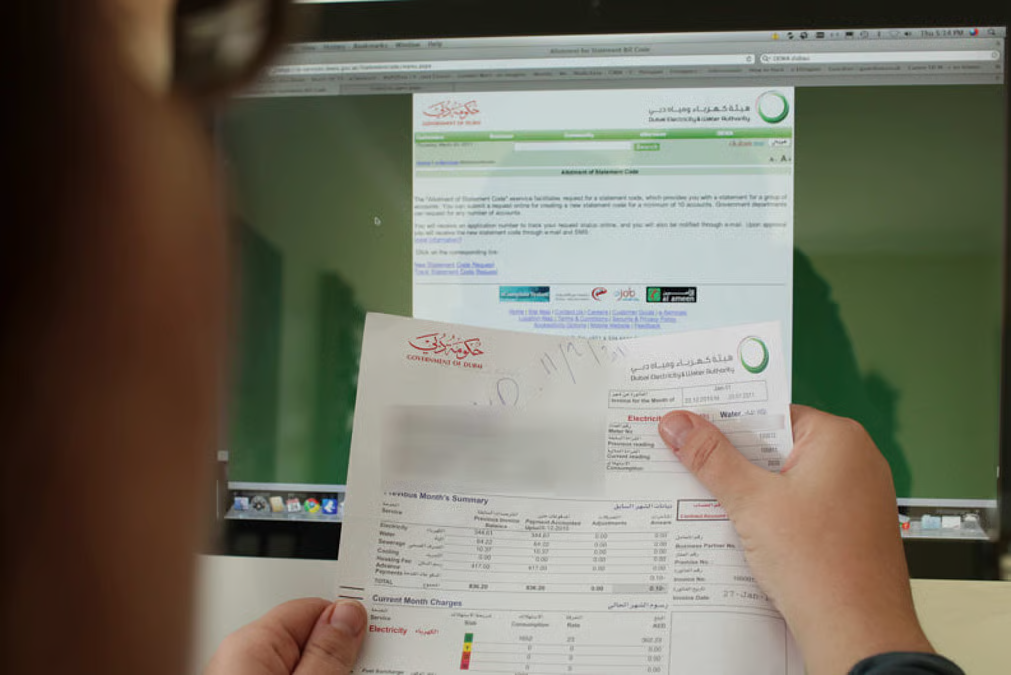
The news of the water bill cut has already created a buzz across Dubai. Social media platforms are filled with positive reactions from residents.
Starting August 2025, the reduced rates will automatically be applied to all consumer categories—residential, commercial, and industrial. No additional paperwork or registration will be required.
DEWA has also hinted that more digital tools and incentives will be rolled out to help residents track savings and consumption. There is speculation that if the city continues to improve efficiency and expand renewable desalination, further tariff cuts may be possible in the coming years.
DEWA’s decision to reduce water bills is more than just a financial relief it reflects Dubai’s vision of building a sustainable, affordable, and smart city of the future. With this step, residents can look forward to lower monthly expenses, while businesses gain a competitive edge. At the same time, the environment benefits from a collective push toward smarter consumption.
As the UAE continues to lead the region in innovation and sustainability, such measures reinforce its position as a global model for balancing economic prosperity with environmental care.
READ MORE:- Shobha Realty Launches Its Most Luxurious Project Yet—Full Details Inside 2025