

In today’s rapidly evolving work culture, the rise of co-working spaces has transformed the way professionals connect, collaborate, and grow. No longer confined by cubicles or the isolation of home offices, people are increasingly choosing shared work environments that offer flexibility, inspiration, and community. Co-working spaces have become the go-to solution for freelancers, startups, remote teams, and even established companies seeking to escape rigid structures and tap into vibrant professional ecosystems.
But the true magic of co-working lies not just in shared desks or sleek interiors—it’s in the people. The networking and community benefits of co-working spaces are redefining success, making them powerful platforms for innovation, learning, and meaningful connections.
The popularity of co-working spaces stems from a simple truth: work today is not just about what you do but where and with whom you do it. Professionals crave environments that foster productivity while offering opportunities to network and grow.
Here’s why people are turning to co-working:
These benefits make co-working more than just a place to work—it’s a thriving ecosystem where professional and personal growth go hand in hand.
Networking is one of the most valuable aspects of co-working. Imagine working alongside graphic designers, marketers, software engineers, and business consultants—all under one roof. Every conversation over coffee or during a shared lunch could lead to a new idea, collaboration, or even a business opportunity.
Co-working spaces are built around the idea of serendipitous encounters. You never know who you might meet or what you might learn. Many co-working communities actively encourage networking through events such as:
These structured and informal opportunities help members build professional relationships that go far beyond traditional office hierarchies.
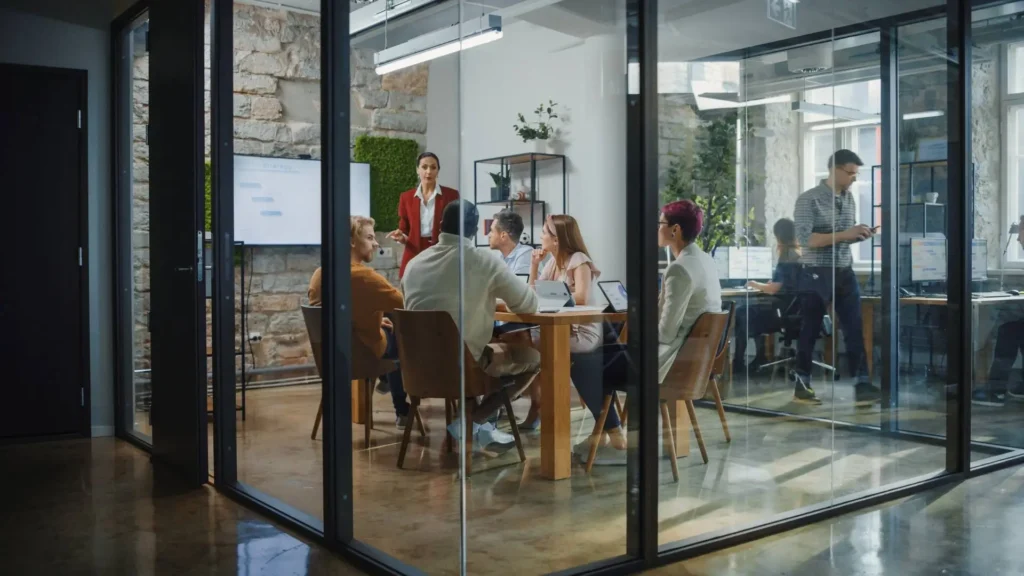
One of the challenges of remote or freelance work is the lack of social interaction. Many professionals miss the sense of belonging that comes from being part of a team. Co-working spaces bridge this gap beautifully by offering community-driven environments.
Members often describe their co-working experience as being part of a “family” or “tribe.” This sense of community leads to:
When people feel connected and supported, their productivity, creativity, and satisfaction soar.
Beyond networking and social benefits, co-working spaces also provide tools for personal and professional development. Many offer structured programs to help members learn and grow.
These may include:
This blend of opportunity, mentorship, and exposure gives individuals and startups a platform to evolve faster than they could in isolation.
For startups, co-working spaces are more than a workspace—they’re launchpads. Renting an office in a prime location is often beyond a new company’s budget, but co-working spaces make it affordable without sacrificing professionalism or resources.
Startups benefit from:
This is why some of the world’s most successful startups began in co-working environments—it’s where energy, ambition, and innovation meet.
Freelancers often struggle with loneliness, lack of structure, and limited access to networking. Co-working spaces provide a solution that blends independence with community.
For them, co-working offers:
It’s not just about renting a desk—it’s about joining an ecosystem that supports your growth.
Even large corporations are embracing co-working. Flexible work models and hybrid setups have encouraged companies to move parts of their teams into co-working spaces.
Corporates benefit from:
This blend of freedom and functionality helps organizations stay competitive in a changing business landscape.
Events play a major role in creating the vibrant culture of co-working spaces. These events go beyond professional networking—they build friendships, boost morale, and inspire creativity.
Common community events include:
These gatherings make members feel valued, engaged, and connected to something larger than themselves.
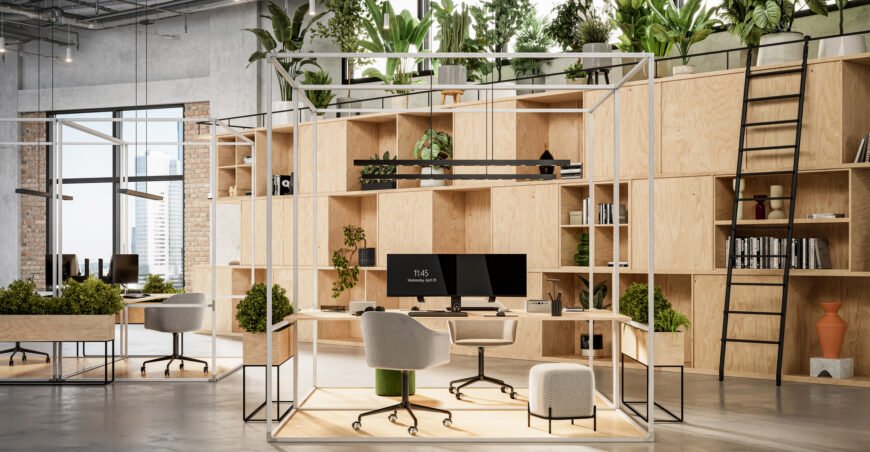
Today’s co-working spaces are powered by technology. From automated booking systems to smart access control and digital collaboration platforms, everything is designed to enhance convenience and security.
Some even provide:
Technology ensures seamless collaboration and helps maintain community engagement even in virtual settings.
Not all co-working spaces are the same. When selecting one, consider:
Finding a space that aligns with your goals and personality makes all the difference in how much you gain from the experience.
The future of co-working spaces looks bright. As the global workforce shifts toward remote and hybrid models, demand for flexible and community-driven work environments will continue to grow.
Expect to see:
These trends point to a future where co-working is not just a workspace but a lifestyle—one that connects people, ideas, and opportunities.
Co-working is not a passing fad—it’s a fundamental shift in how we perceive work. It represents freedom, community, and collaboration. In a world where human connection is more valuable than ever, these spaces remind us that growth happens when people come together.
Whether you’re a freelancer searching for inspiration, a startup seeking growth, or a corporate team embracing agility, co-working spaces offer the perfect balance of independence and belonging.
The blend of networking and community in these shared environments has proven to be a catalyst for creativity, innovation, and success. The future of work, it seems, will not be defined by walls—but by connections.
Do Follow Estate Magazine on Instagram
Co-Working Spaces With Tech-Enabled Facilities Are Redefining Modern Work