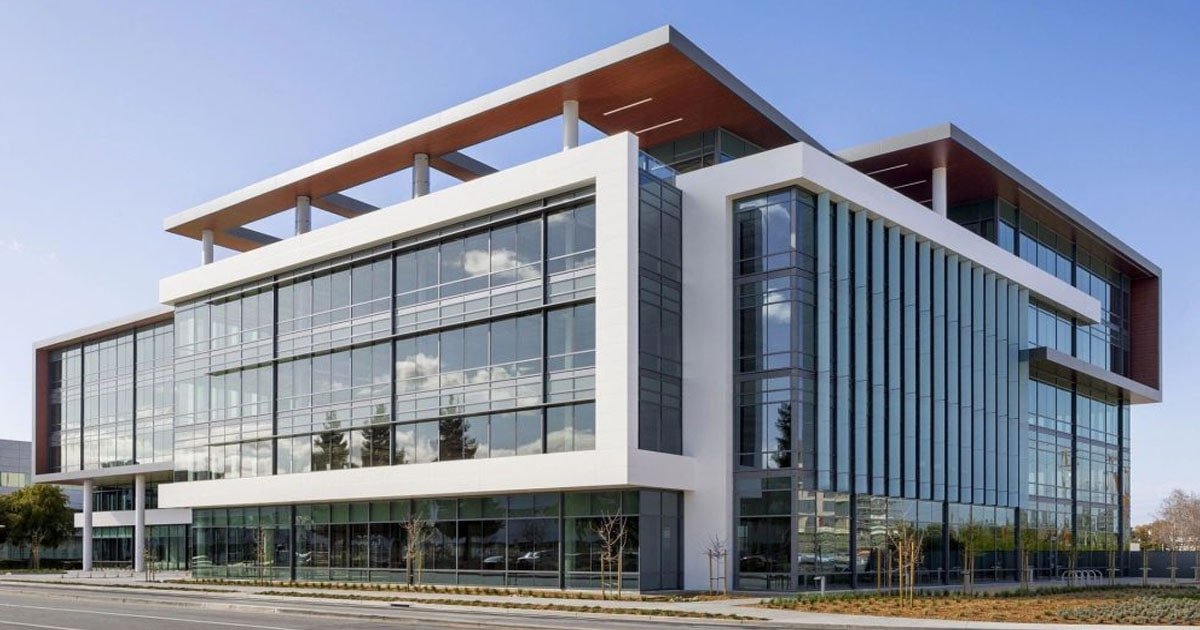
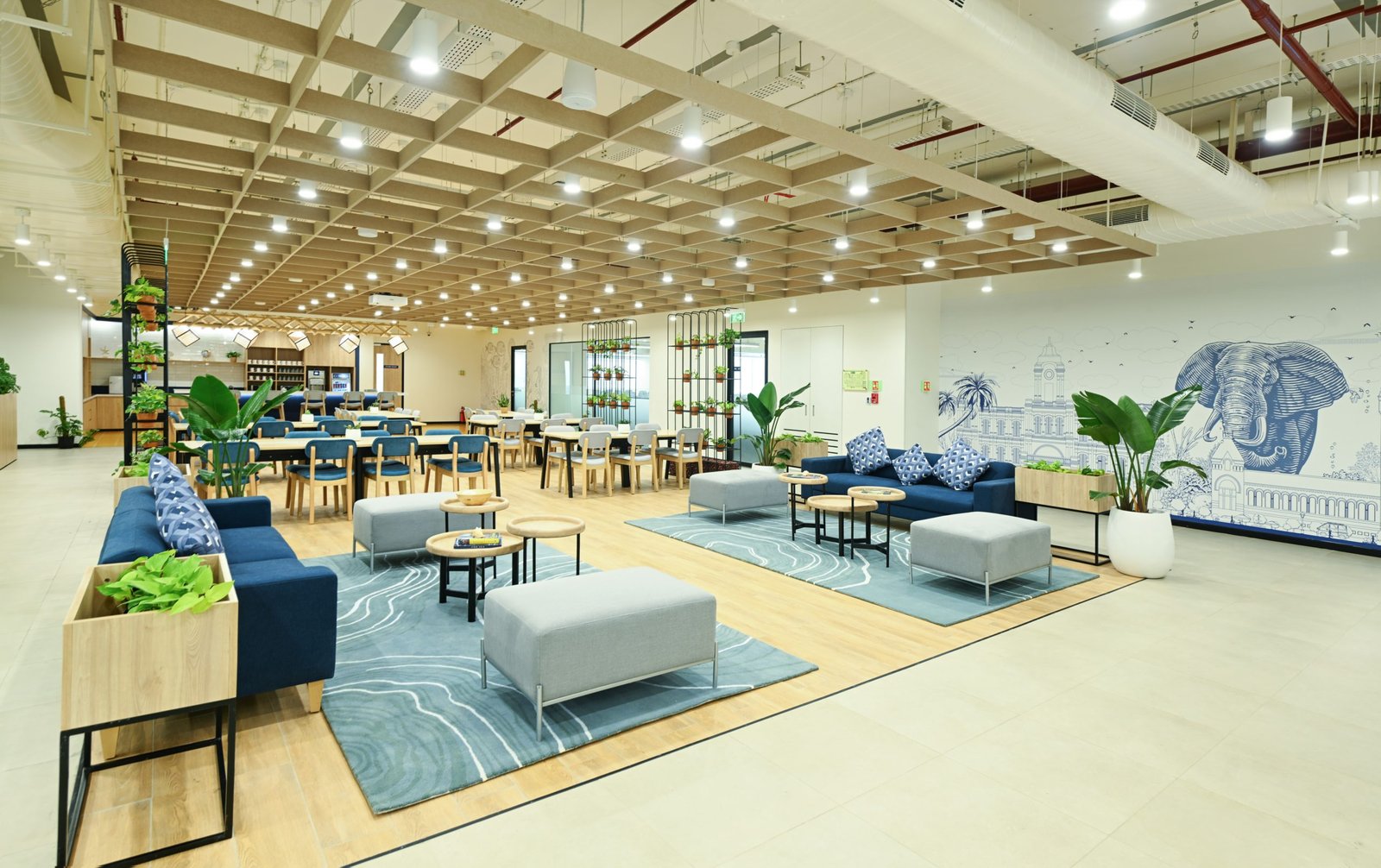
In the world of commercial real estate, few investments generate as much excitement and scrutiny as office spaces. With hybrid work models evolving and urban infrastructure expanding, investors are reevaluating what makes an office property valuable. Beyond location, modern office spaces are now judged by return on investment (ROI), sustainability, tenant retention, and adaptability.
If chosen wisely, office properties can outperform other real estate assets, delivering strong rental yields, long-term appreciation, and a steady flow of corporate tenants. Let’s explore how and why certain office spaces stand out as high-ROI opportunities and what factors investors should consider before committing capital.
Office spaces have transformed drastically in the past decade. Previously, the success of an office property depended solely on location and prestige. Today, flexibility, amenities, sustainability, and digital readiness are just as critical.
With global businesses adapting to new work cultures, the demand for experience-driven workplaces is growing. Companies are increasingly leasing offices that provide well-being-focused designs, collaborative layouts, and technology integration. This shift has created a new breed of investment opportunities—modern offices that deliver consistent ROI through innovation and adaptability.
Despite the rise of remote work, office investments remain resilient for several reasons. Corporate tenants continue to seek high-quality, strategically located office environments to maintain collaboration, client relations, and brand image.
Here are some key drivers of high ROI in office space investments:
For investors seeking predictable returns and portfolio diversification, office assets remain a reliable and scalable choice.

When it comes to office investments, location is everything. High-performing office spaces often sit within dynamic business districts surrounded by transport links, retail amenities, and upcoming infrastructure.
Some critical factors that make a location ideal for high-ROI office investments include:
A smart investor looks for not just established business hubs, but also emerging micro-markets poised for future growth.
Aesthetics and design now play a pivotal role in determining a property’s profitability. The most profitable office spaces aren’t necessarily the largest—they’re the ones that best meet the evolving needs of modern businesses.
Key design trends enhancing ROI include:
Office spaces that combine functionality with aesthetics not only lease faster but also command premium rental values.
To truly understand whether an office investment is worth pursuing, it’s essential to calculate ROI accurately.
ROI Formula: ROI=(AnnualRentalIncome−AnnualExpenses)TotalInvestmentCost×100ROI = \frac{(Annual Rental Income – Annual Expenses)}{Total Investment Cost} \times 100ROI=TotalInvestmentCost(AnnualRentalIncome−AnnualExpenses)×100
For example, if an investor purchases an office for $1 million, earns $90,000 annually in rent, and spends $10,000 on maintenance and property taxes, their ROI would be 8%.
A high ROI typically ranges from 7% to 12% annually for commercial office spaces, depending on market conditions and property quality. Emerging business zones or redeveloped urban areas can sometimes yield even higher returns.
Not all tenants are created equal. The strength and stability of a tenant can make or break an investor’s ROI. Corporate tenants with strong credit profiles, multinational companies, or government offices ensure stable income and lower default risk.
Strategies to maximize tenant retention include:
A satisfied tenant often becomes a long-term tenant, securing the consistency of income and maintaining the property’s overall value.
Across the globe, certain cities and neighborhoods are witnessing rapid growth in demand for premium office spaces. Investors should watch for locations that combine economic expansion, favorable business policies, and infrastructure investment.
For instance, business hubs in the Middle East and Asia—like Dubai, Singapore, and Bangalore—are attracting multinational firms, boosting occupancy rates, and raising yields. Similarly, secondary cities with growing tech and startup ecosystems are emerging as the next frontier for commercial investors.
These areas often offer lower entry costs but higher appreciation potential, making them perfect for forward-looking investors.

Technology has become one of the most critical differentiators in commercial real estate. Smart offices equipped with automation, energy monitoring, and advanced security systems significantly reduce operational costs while enhancing tenant satisfaction.
Some of the most impactful tech trends in office real estate include:
Investors who adapt to these innovations are more likely to maintain long-term competitiveness and attract top-tier tenants.
While the potential for high ROI is strong, commercial property investments also carry risks—market volatility, vacancy periods, and economic downturns can impact performance.
To mitigate risks, investors should:
Moreover, keeping an eye on regulatory changes, tax incentives, and government policies related to commercial property helps investors make informed decisions.
Sustainability is no longer optional—it’s a business advantage. Green-certified buildings are in high demand, especially among multinational corporations committed to ESG (Environmental, Social, and Governance) standards.
These buildings not only reduce operating costs but also attract tenants willing to pay higher rents for sustainable features. Energy-efficient HVAC systems, solar panels, water recycling, and biophilic design contribute to both higher ROI and long-term asset value.
Sustainable offices are becoming the gold standard of future-ready investments.
While rental income provides short-term gains, capital appreciation drives long-term wealth creation. Office spaces located in developing business corridors often witness exponential value growth as infrastructure expands.
Factors influencing capital appreciation include:
Investors with a long-term vision often see the highest returns by holding on to strategically located properties through multiple market cycles.
The key to successful office space investment lies in understanding market dynamics, selecting the right location, and adapting to changing tenant expectations. Modern offices that blend technology, flexibility, and sustainability consistently outperform traditional spaces.
As the global economy evolves, the demand for well-designed, experience-oriented workplaces will continue to rise. Investors who anticipate these shifts and position themselves strategically will enjoy superior ROI, financial stability, and long-term capital growth.
High ROI office spaces are not just properties—they are strategic assets built for the future of work.
Do Follow Estate Magazine on Instagram