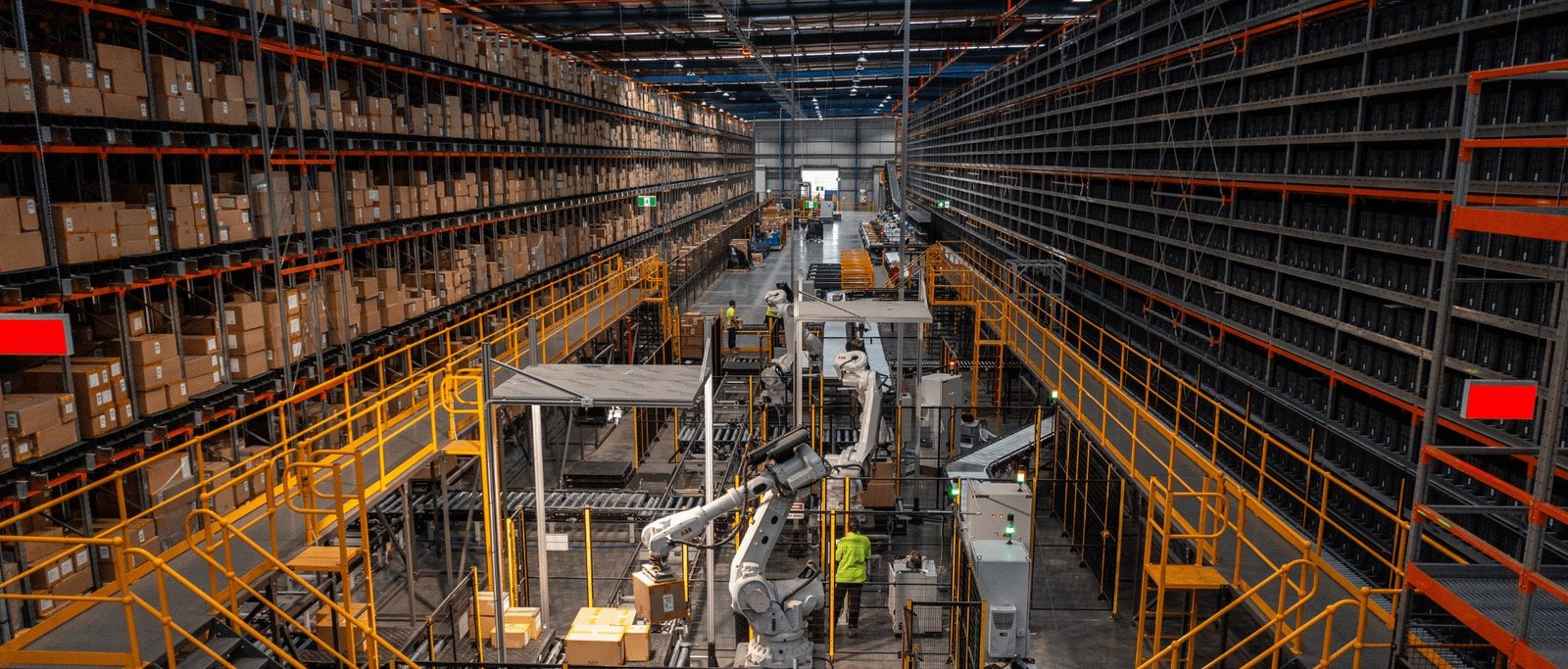
In today’s fast-paced commercial landscape, the demand for efficient storage and logistics has never been higher. Businesses across industries are seeking solutions that not only store goods but also optimize operational efficiency. Warehouses with advanced storage solutions are redefining how companies manage inventory, reduce costs, and scale operations.
Why Advanced Storage Solutions Matter
Traditional warehouses often struggle with space optimization, inventory accuracy, and operational efficiency. In contrast, warehouses equipped with advanced storage solutions provide smarter ways to handle these challenges. These systems combine automation, technology, and innovative design to enhance storage capacity, improve accessibility, and reduce human error.
Modern businesses cannot afford inefficiencies. Every misplaced product or delayed shipment can result in significant losses. Advanced storage systems ensure precise tracking, faster retrieval, and better space utilization, allowing businesses to operate smoothly even during peak demand periods.
Types of Advanced Storage Solutions
Advanced storage solutions come in various forms, each tailored to specific operational needs:
Automated Storage and Retrieval Systems (AS/RS): These systems use robotics to handle inventory efficiently. They reduce manual labor, speed up order fulfillment, and increase accuracy.
Pallet Racking Systems: Innovative racking solutions such as double-deep racks, drive-in racks, and cantilever racks maximize vertical and horizontal space while keeping goods easily accessible.
Mezzanine Floors: Adding extra layers within the warehouse can dramatically increase storage capacity without expanding the building footprint.
Dynamic Shelving: Adjustable and mobile shelving systems adapt to different product sizes, helping warehouses optimize every inch of space.
Climate-Controlled Storage: For sensitive products like pharmaceuticals or perishables, climate-controlled storage ensures safety, longevity, and compliance with regulations.
Benefits of Implementing Advanced Storage Solutions
Adopting advanced storage solutions brings measurable benefits that impact both efficiency and profitability.
Optimized Space Utilization: High-density storage systems allow businesses to store more products in less space, reducing the need for costly warehouse expansion.
Enhanced Inventory Accuracy: Technology such as barcode scanners, RFID tags, and warehouse management systems ensures accurate tracking, reducing errors and stockouts.
Faster Order Fulfillment: Automated retrieval systems and smart layouts speed up picking and packing processes, improving customer satisfaction.
Reduced Labor Costs: Automation reduces the dependency on manual labor, allowing warehouse teams to focus on value-added tasks rather than repetitive work.
Scalability: Modern storage solutions grow with your business, allowing easy adaptation to changing product lines, seasonal spikes, or geographic expansion.
Technology Transforming Warehousing
Technology is the backbone of modern warehouses. Advanced storage solutions are powered by software, robotics, and data analytics that revolutionize warehouse management.
Warehouse Management Systems (WMS): These platforms track inventory in real time, manage space allocation, and optimize workflow.
Robotics and Automation: Automated guided vehicles (AGVs) and robotic arms handle repetitive tasks such as picking, packing, and transporting goods within the warehouse.
IoT and Smart Sensors: Internet of Things (IoT) devices monitor temperature, humidity, and product movement, providing real-time data for proactive decision-making.
AI and Predictive Analytics: Artificial intelligence predicts demand trends, optimizing inventory levels and reducing waste.
By integrating these technologies, warehouses become more agile, responsive, and capable of meeting modern logistics demands.
Choosing the Right Warehouse for Your Business
Selecting a warehouse with advanced storage solutions requires careful consideration of your business needs.
Assess Storage Requirements: Evaluate the type, size, and volume of goods you need to store to determine the ideal storage system.
Consider Scalability: Choose a warehouse that can adapt to your growth and changing inventory demands.
Evaluate Technology Integration: Ensure the warehouse management system and automation tools align with your operational workflow.
Prioritize Location and Accessibility: Proximity to suppliers, transport hubs, and customers can reduce logistics costs and improve delivery efficiency.
Safety and Compliance: Check for safety standards, fire protection, and regulatory compliance to safeguard both products and employees.
Real-World Applications of Advanced Warehousing
Industries across the board are benefiting from warehouses with advanced storage solutions:
E-commerce: Fast-moving consumer goods (FMCG) and online retailers rely on automation and robotics to fulfill large volumes of orders accurately and on time.
Pharmaceuticals: Climate-controlled, high-security storage ensures drugs and medical supplies are stored safely and comply with regulations.
Automotive: Large parts and components are stored using dynamic shelving and pallet racking systems to optimize retrieval speed.
Food and Beverage: Temperature-controlled warehouses maintain freshness while reducing spoilage and waste.
Manufacturing: Just-in-time production models require warehouses that can quickly handle raw materials and finished goods efficiently.
Future Trends in Advanced Storage Solutions
The warehousing industry continues to evolve, driven by technology and changing market demands. Key trends include:
Fully Automated Warehouses: Robotic systems capable of performing end-to-end operations without human intervention.
Green Warehousing: Sustainable designs and energy-efficient systems reduce environmental impact and operational costs.
Integrated Supply Chains: Warehouses becoming hubs in smart supply chains, leveraging AI and predictive analytics for real-time decision-making.
Modular Storage Solutions: Flexible systems that can be quickly reconfigured to accommodate new product lines or business models.
Data-Driven Optimization: Using big data to optimize every aspect of warehouse operations, from layout design to inventory management.
Maximizing ROI With Advanced Warehousing
Investing in advanced storage solutions is not just about technology; it’s about strategy. Businesses can maximize return on investment by:
Conducting Regular Audits: Periodic assessments of warehouse efficiency help identify bottlenecks and areas for improvement.
Staff Training: Even automated systems require skilled staff to manage technology and troubleshoot issues.
Continuous Upgrades: Staying updated with the latest storage technologies ensures long-term efficiency and competitiveness.
Collaborative Planning: Align warehouse operations with supply chain partners for synchronized logistics and reduced costs.
Conclusion: The Future Is Smart Storage
Warehouses with advanced storage solutions are transforming how businesses manage inventory, optimize space, and enhance operational efficiency. By leveraging automation, smart technology, and innovative design, companies can reduce costs, improve accuracy, and scale seamlessly.
In an increasingly competitive market, investing in modern warehousing is no longer optional—it’s essential. From e-commerce giants to manufacturing firms, smart storage solutions offer the agility and efficiency needed to stay ahead.
Businesses that embrace these innovations today are better positioned to meet tomorrow’s challenges, ensuring products move faster, operations run smoother, and customers remain satisfied.
The shift toward intelligent, technology-driven storage is not just a trend—it’s the future of warehousing.