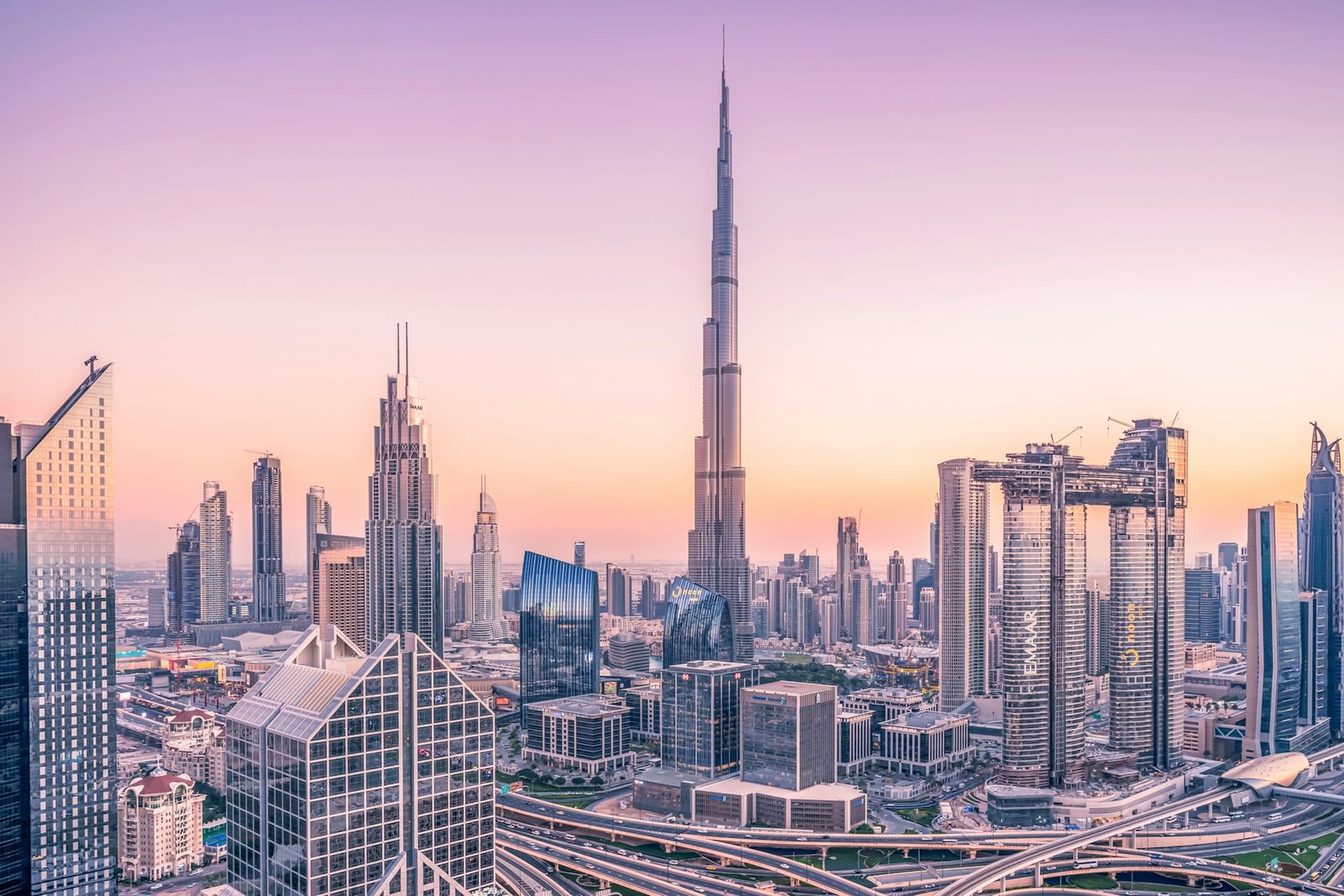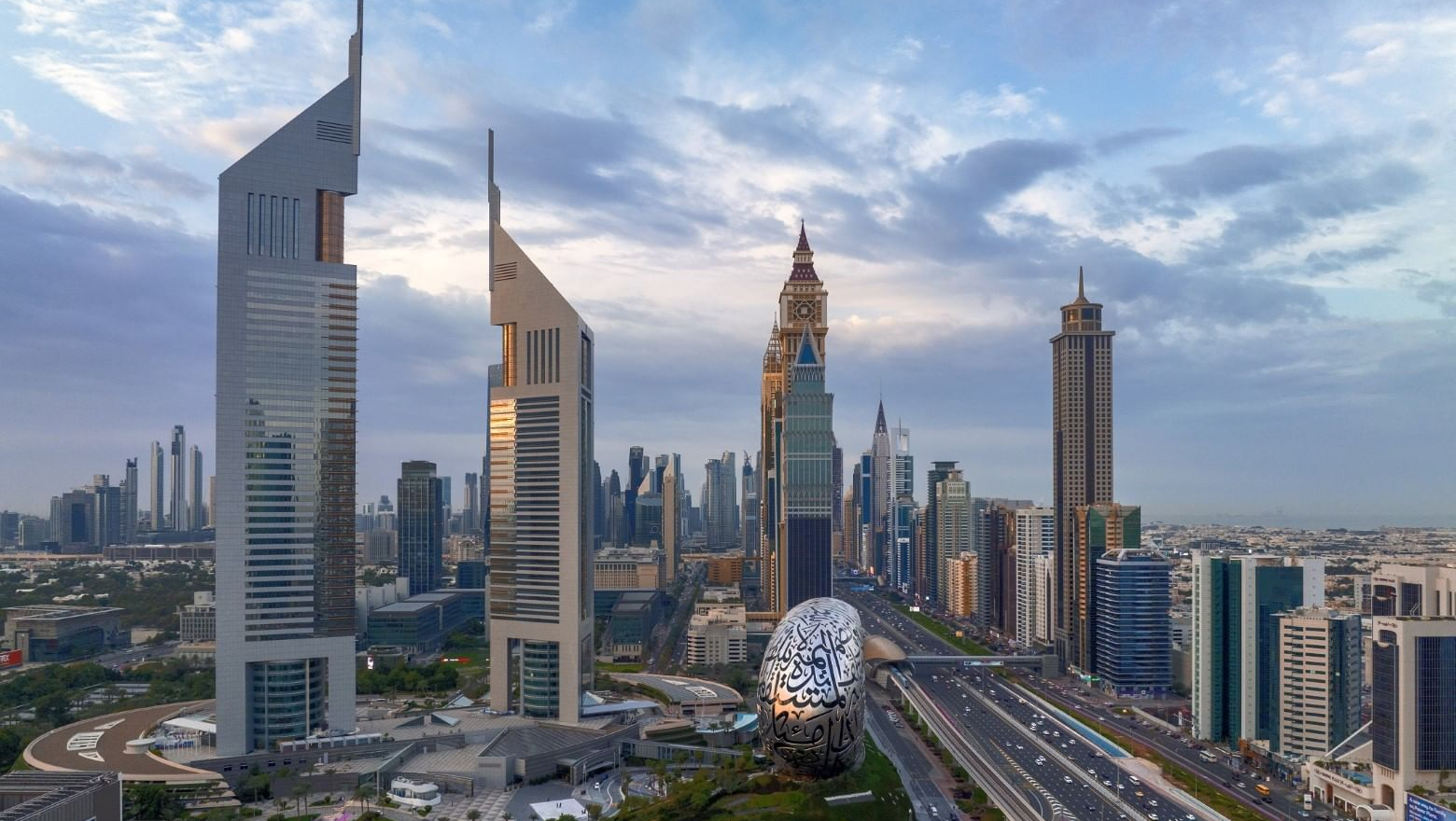
Dubai is a city known for its towering skyscrapers, luxurious lifestyle, and vibrant tourism. But beneath the glamour, residents and visitors alike face a constant challenge: the city’s extreme weather conditions. Dubai experiences high temperatures for most of the year, often paired with soaring humidity levels, making it essential to understand the city’s heat index and its effects on daily life.
Humidity refers to the amount of water vapor present in the air. In Dubai, humidity levels can vary dramatically depending on the season. During the summer months, humidity can reach up to 90% in the mornings and evenings, while daytime levels typically range between 40% to 60%. Coastal areas, such as Jumeirah and Dubai Marina, tend to experience higher humidity due to their proximity to the sea.
High humidity combined with intense heat can make outdoor activities challenging. This is because the body relies on the evaporation of sweat to cool itself. When humidity is high, sweat does not evaporate efficiently, making the body feel hotter than the actual air temperature.
The heat index is a measure that combines air temperature and humidity to reflect how hot it feels to the human body. For instance, an air temperature of 40°C with high humidity may feel like 50°C or more. This “feels-like” temperature is crucial for understanding the risks of heat-related illnesses.
Dubai’s heat index can reach dangerous levels during peak summer months, often crossing 50°C. This extreme combination of heat and humidity is a key reason why residents are advised to stay hydrated, limit outdoor exposure, and wear light, breathable clothing.
Dubai experiences a desert climate, characterized by long, hot summers and mild winters. Summer spans from May to September, with average daytime temperatures often exceeding 40°C. Humidity is usually highest in the early mornings and evenings.
Winter, from December to February, is relatively milder, with temperatures ranging from 18°C to 26°C. Humidity during this period is lower, making it the ideal time for outdoor activities and tourism. Despite the cooler winter weather, occasional spikes in humidity can still affect comfort levels, especially near the coast.
The combination of high temperatures and humidity poses significant health risks. Heat exhaustion and heatstroke are common concerns, especially for the elderly, children, and outdoor workers. Symptoms can include dizziness, fatigue, nausea, and rapid heartbeat.
Medical experts recommend monitoring the heat index and avoiding outdoor activities during peak heat hours, usually between 12 PM and 4 PM. Wearing hats, applying sunscreen, and staying in shaded or air-conditioned areas can help minimize health risks.
High humidity can also worsen respiratory conditions, such as asthma, by making the air feel heavier and harder to breathe. Maintaining proper hydration and using air conditioning in homes and workplaces are practical measures to ensure comfort and safety.
Dubai’s humidity and heat index do not just affect health—they also impact daily life, transportation, and infrastructure. Vehicles parked under the sun can heat up quickly, making interiors unbearable without air conditioning. Roads and pavements can become extremely hot, sometimes causing discomfort to pedestrians.
The city’s infrastructure is designed to handle extreme heat. Buildings are equipped with advanced cooling systems, and public areas often feature shaded walkways, misting fans, and cooling stations. However, residents still need to plan their schedules carefully to avoid prolonged exposure to the heat.
Despite extreme weather, Dubai continues to attract millions of tourists every year. The city’s indoor attractions, luxury malls, and indoor entertainment options are designed to provide relief from the heat. Similarly, businesses operate with high standards of climate control, ensuring comfortable conditions for employees and clients.
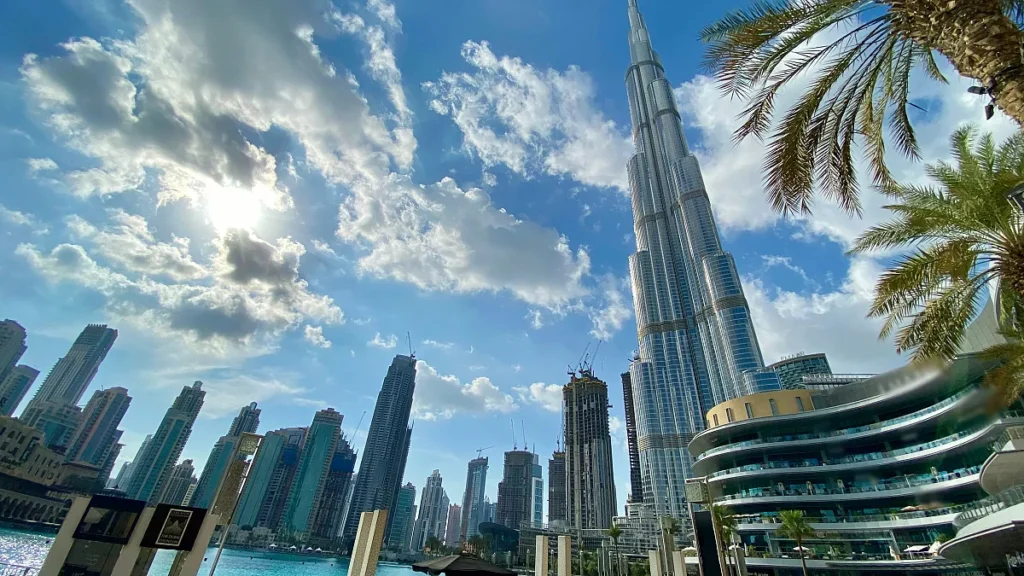
For outdoor tourism, early mornings and late evenings are ideal for exploring landmarks like the Burj Khalifa, Dubai Fountain, and desert safaris. Awareness of humidity and heat index levels ensures that tourists can enjoy the city safely and comfortably.
Dubai is constantly innovating to mitigate the effects of extreme weather. Urban planning now incorporates shaded areas, cooling systems in public spaces, and heat-resilient infrastructure. With climate change, extreme temperatures and humidity are expected to increase, making awareness and preparation even more critical.
By understanding the relationship between temperature, humidity, and the heat index, residents and visitors can make informed decisions, ensuring safety, comfort, and enjoyment in this dynamic city.
READ MORE:- Shobha Realty Launches Its Most Luxurious Project Yet—Full Details Inside 2025