Dubai’s skyline stands as a symbol of ambition, innovation, and global opportunity. The city has evolved from a desert trading hub to one of the world’s most dynamic real estate markets, attracting investors from every continent. While residential properties often steal the spotlight, commercial real estate in Dubai offers even more lucrative opportunities—if you know how to navigate it wisely.
Whether you are a seasoned investor or a first-timer exploring the Dubai market, understanding how to approach commercial property investment strategically can make the difference between average returns and long-term success.
This guide uncovers expert-backed tips, insights, and strategies to help you make smart, profitable, and sustainable investment decisions in Dubai’s commercial real estate sector.
Dubai’s commercial real estate sector includes a broad range of assets—offices, retail spaces, warehouses, and hospitality properties. Each segment offers unique advantages depending on market demand, location, and investor objectives.
The emirate’s government has positioned Dubai as a global business hub through initiatives like free zones, world-class infrastructure, and investor-friendly laws. This has made it one of the top destinations for multinational corporations, startups, and entrepreneurs alike.
Commercial property demand in Dubai is driven by:
Before diving into investment, it’s crucial to understand these drivers as they shape rental yields, occupancy rates, and capital appreciation potential.
Investing in Dubai’s commercial real estate offers benefits that extend beyond attractive returns. Here are some reasons why global investors are turning toward this thriving market:
1. Tax-Free Investment Environment
Dubai offers zero income and capital gains taxes on property investments, which maximizes profitability and makes it an investor’s paradise.
2. Strategic Global Location
Situated between East and West, Dubai is a logistical and financial hub, offering seamless connectivity to Europe, Asia, and Africa.
3. High Rental Yields
Compared to other global cities like London or New York, Dubai consistently offers higher rental yields, often ranging between 7% to 9% for commercial properties.
4. Investor Protection Laws
Dubai’s Real Estate Regulatory Agency (RERA) ensures investor protection and transparency through strict regulations and property registration systems.
5. Long-Term Economic Vision
Dubai’s Vision 2040 and smart city initiatives are driving innovation and economic growth, which translates to sustained property demand across commercial sectors.

Each type of commercial real estate asset serves different investment goals. Understanding them helps you choose what best fits your strategy.
1. Office Spaces
Office properties remain one of the most popular commercial investments in Dubai. Prime areas such as Business Bay, Downtown Dubai, and DIFC attract multinational firms due to their modern infrastructure and business-friendly environment.
2. Retail Outlets
Retail properties in malls or standalone units can offer steady rental income, especially in high-traffic locations like Dubai Marina, Jumeirah, or Al Barsha.
3. Warehouses and Industrial Units
With Dubai’s strong logistics and e-commerce growth, industrial spaces in areas like Jebel Ali and Dubai South are becoming high-return assets.
4. Hospitality Assets
Hotels, serviced apartments, and short-term rental properties cater to Dubai’s thriving tourism industry. The demand is expected to grow with upcoming events and global tourism recovery.
Investing in Dubai’s commercial property market can be extremely rewarding—but only if approached with diligence and strategy. Below are expert insights to guide your journey.
Location remains the single most important factor influencing property value and returns. In Dubai, proximity to major business districts, transport links, and amenities can dramatically impact rental demand.
Top-performing commercial zones include:
Always analyze footfall, accessibility, and the surrounding development before finalizing your investment.
Before investing, study the supply-demand balance and rental trends in your chosen sector. For example, while prime office spaces in DIFC remain high in demand, older office buildings might face higher vacancy rates.
Research tools such as RERA’s market reports, real estate consultancy insights, and transactional data help you gauge trends in:
Understanding these dynamics enables smarter pricing and better long-term planning.
Every investor’s objectives differ. Are you seeking steady rental income, long-term capital appreciation, or quick resale profits? Your goal determines the type of property, location, and financing strategy.
For example:
Having a defined objective ensures your investment strategy stays aligned with your financial vision.
Dubai’s property ownership laws differentiate between freehold and leasehold zones.
Most commercial investors prefer freehold zones such as Business Bay, Jumeirah Lake Towers, or Downtown Dubai for long-term ownership flexibility.
A good commercial property investment isn’t just about buying at the right time—it’s about ensuring consistent returns.
Analyze:
Engage a professional real estate advisor to assess whether your expected ROI aligns with market realities.
When purchasing new or off-plan commercial properties, always assess the developer’s credibility.
Reputed developers ensure quality construction, timely handover, and high resale value. Check:
Developers like Emaar, DAMAC, and Sobha Realty are known for reliability and high standards.
Dubai’s banks and financial institutions offer several mortgage options for commercial properties. However, eligibility criteria and interest rates vary.
Before opting for financing:
Having a well-structured financing plan can optimize your returns and minimize risks.
Working with a licensed, experienced agent familiar with Dubai’s commercial sector is invaluable.
A professional agent can:
Ensure your agent is registered with the Dubai Land Department (DLD) for transparency and legal safety.
Commercial properties require regular upkeep to retain value and attract quality tenants. Before purchasing, check the annual service charges, maintenance contracts, and property management quality.
Efficiently managed properties tend to command higher rents and experience lower vacancy rates.
Dubai’s property laws evolve to protect investors and ensure transparency. Stay informed about changes in:
Keeping up with legal updates ensures compliance and minimizes potential disputes.
Instead of investing heavily in a single asset, consider spreading your investments across different commercial segments or locations. Diversification protects you against market fluctuations and ensures steady returns even if one sector underperforms.
For instance, combine an office investment in Business Bay with a warehouse in Jebel Ali or a retail unit in Jumeirah.
Real estate markets are cyclical. Understanding when to enter or exit can determine your success. Keep an eye on economic indicators such as business growth rates, tourism figures, and government development plans.
Plan an exit strategy from day one—whether selling at peak market value, refinancing, or converting the property for a different use.
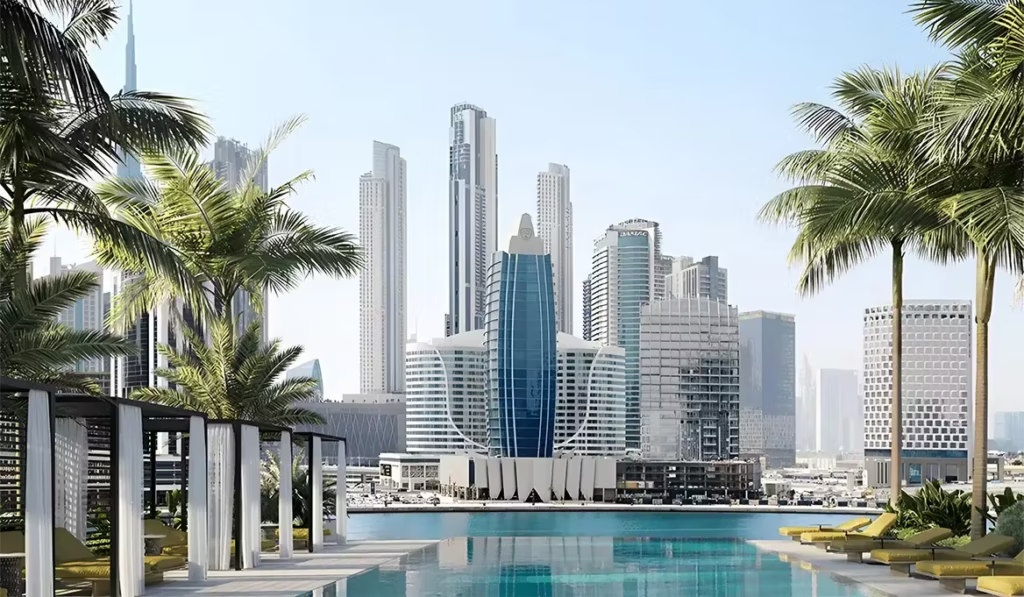
Dubai’s commercial real estate sector is poised for steady growth over the next decade. The government’s ongoing infrastructure projects, smart city initiatives, and increasing global partnerships are expected to drive sustained demand.
Emerging trends include:
Investors who adapt to these changes and align their portfolios with Dubai’s evolving economy will continue to reap impressive returns.
Dubai’s commercial property market combines high potential with a transparent, investor-friendly ecosystem. However, like any global market, success here requires research, timing, and strategic planning.
Whether you’re investing in a bustling Business Bay office or a logistics warehouse in Jebel Ali, the key lies in understanding market movements, choosing the right location, and maintaining a long-term vision.
By applying these smart investment tips, you can build a strong, resilient portfolio that not only generates high returns but also secures your position in one of the world’s fastest-growing commercial real estate hubs.
Do Follow Estate Magazine on Instagram