Dubai has always attracted dreamers who think beyond borders, industries, and traditional systems. From record-breaking architecture to future-ready governance, the city has consistently welcomed ambitious visions. Now, a Belgian crypto billionaire is proposing one of the most unconventional ideas yet: a libertarian-inspired community in Dubai, influenced by the laid-back, self-governing spirit often associated with Caribbean island societies.
This is not about replicating a country or creating a parallel state. Instead, it is a philosophical and lifestyle-driven concept that blends economic freedom, digital-first living, and minimal state dependency within one of the world’s most structured and forward-thinking cities.
The entrepreneur behind this proposal rose to prominence during the early waves of cryptocurrency adoption in Europe. Known for investing heavily in blockchain infrastructure, decentralised finance, and privacy-focused technologies, he has long advocated for individual sovereignty and limited central control over personal wealth.
Friends and associates describe him as less interested in luxury for its own sake and more focused on creating systems where people can live, work, and transact with maximum autonomy.
Having achieved financial independence through digital assets, the billionaire is now turning his attention to a social and economic experiment. His goal is to explore how libertarian ideals can coexist with modern urban planning, technology, and global business ecosystems.
Dubai, in his view, offers the ideal testing ground.
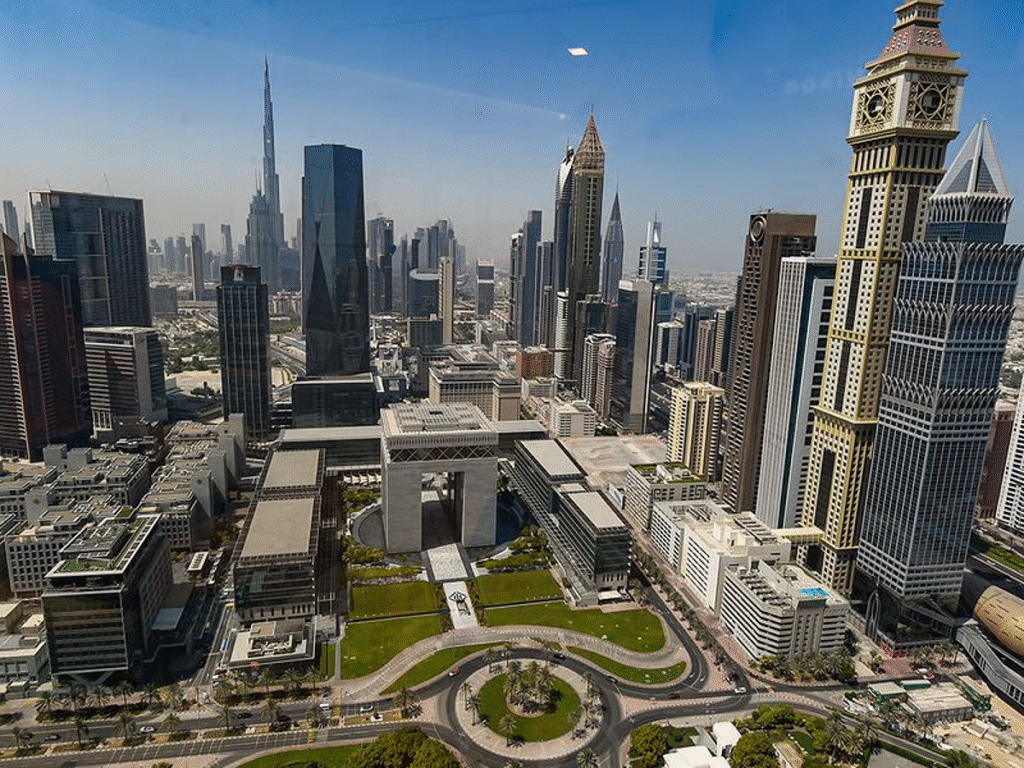
Dubai has built its reputation by welcoming big ideas and backing them with infrastructure, policy innovation, and global connectivity. Free zones, progressive digital regulations, and openness to emerging technologies make it attractive to entrepreneurs who value speed and flexibility.
For a crypto billionaire seeking to create a community centred on innovation and personal freedom, Dubai provides a rare balance between order and opportunity.
Dubai’s location between Europe, Asia, and Africa makes it a magnet for international talent. A libertarian-inspired enclave here would naturally attract entrepreneurs, developers, investors, and digital nomads from across the world, many of whom are already familiar with decentralised technologies and alternative economic models.
When the billionaire refers to the Caribbean, he is not suggesting palm trees, beaches, or island replicas in the desert. The inspiration lies in the Caribbean’s historical association with trade freedom, small-scale governance, and culturally independent communities.
It is about a mindset rather than a map.
Many Caribbean societies are known for close-knit communities, flexible lifestyles, and informal economic networks. These traits resonate strongly with libertarian values, which prioritise voluntary cooperation over rigid authority.
The proposed Dubai-based community aims to translate that spirit into a high-tech, urban environment.
At its heart, libertarianism emphasises individual freedom, private property, free markets, and minimal government intervention. In practical terms, this means residents would have greater autonomy over how they earn, spend, invest, and live their daily lives.
Rules would exist, but they would be designed to protect personal liberty rather than restrict it.
Blockchain and smart contracts are expected to play a central role. From property management to service payments, many processes could be automated and decentralised, reducing bureaucracy and increasing transparency.
This tech-driven governance model aligns closely with Dubai’s own push toward smart cities and digital governance.
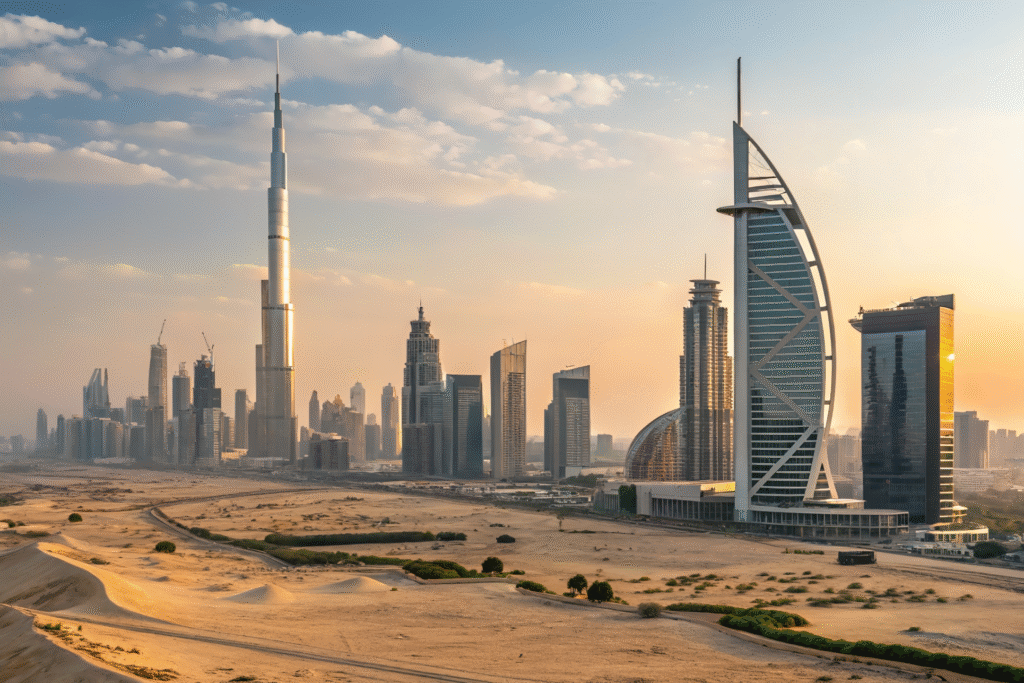
The plan reportedly includes a mixed-use development featuring residential units, co-living spaces, offices, and leisure zones. Architecture would prioritise openness, sustainability, and adaptability, encouraging interaction rather than isolation.
Residents could choose between ownership models, tokenised real estate, or long-term leases, offering flexibility rarely seen in traditional developments.
Businesses within the community would likely operate under free-market principles, with minimal restrictions on innovation. Crypto payments, decentralised finance tools, and peer-to-peer services would be encouraged, though aligned with Dubai’s regulatory frameworks.
This creates an ecosystem where startups and freelancers can thrive without excessive red tape.
The primary audience includes tech founders, crypto developers, digital artists, and global consultants who value independence and mobility. Many already live transnational lives and are seeking communities that reflect their values.
Dubai’s existing expatriate population makes it easier to integrate such a diverse group.
With remote work becoming mainstream, the community could attract digital nomads who want stability without sacrificing freedom. Long-term investors may also see value in being part of a pioneering social and economic model.
Despite its libertarian ethos, the proposed community would operate fully within Dubai’s legal and cultural framework. There is no intention to challenge sovereignty or bypass regulations.
Instead, the focus is on maximising freedom within existing systems, particularly through private agreements and digital solutions.
Dubai’s success lies in balancing global diversity with local traditions. Any new community must respect this balance, and early indications suggest that the billionaire is aware of the importance of cultural harmony.
The idea is coexistence, not isolation.
Critics argue that libertarian communities work well in theory but face challenges when scaled. Issues like dispute resolution, public services, and inequality require careful planning.
The billionaire acknowledges these concerns and believes technology can offer solutions that were not possible in the past.
Crypto-linked projects often attract heightened regulatory attention. Ensuring transparency and compliance will be essential to gaining trust from authorities and the public alike.
Dubai’s clear regulatory direction in digital assets may help mitigate these concerns.
If successful, this project could redefine how future communities are designed. It blends personal freedom with collective responsibility, powered by technology rather than heavy administration.
Dubai could once again position itself as a laboratory for future lifestyles.
Such a project sends a strong message to global investors and innovators: bold ideas are welcome, provided they align with the city’s long-term vision. It reinforces Dubai’s image as a place where the future is not just discussed, but built.
At present, the idea remains in its conceptual and planning stages. Discussions with advisors, architects, and legal experts are reportedly underway to refine the model.
The next steps will involve securing approvals, identifying locations, and testing governance structures on a smaller scale.
Whether or not the full vision materialises, the proposal itself highlights an important shift. Wealth creators are no longer content with passive investments; they want to shape societies that reflect their beliefs.
In a city like Dubai, that ambition does not sound unrealistic.
Beyond headlines and ideology, this story is ultimately about people searching for a way to live more authentically. The Belgian crypto billionaire’s plan reflects a desire shared by many in the digital age: freedom without chaos, independence without isolation, and prosperity without excessive control.
If Dubai becomes the home of this libertarian-inspired community, it will not just be another real estate project. It will be a living experiment in how values, technology, and urban life can evolve together.
Do Follow Estate Magazine on Instagram
Read More:- DarGlobal Bold Move: Edrafor Joins Landmark Dubai Tower 2025