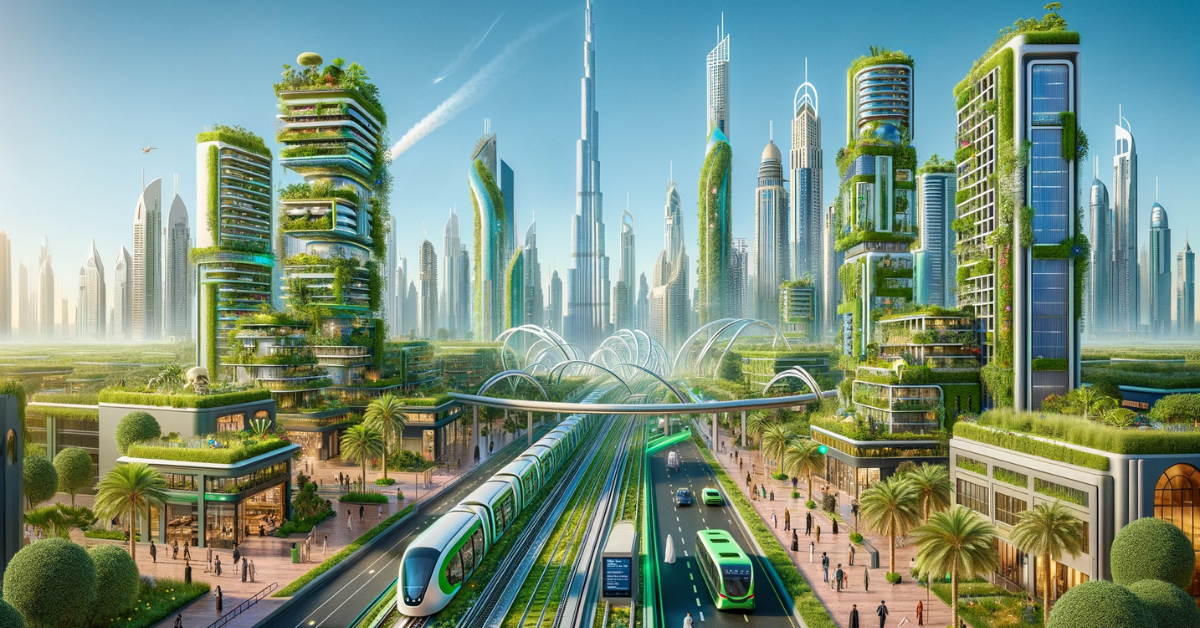
Dubai’s hospitality sector has always been a reflection of the city’s ambition and flair for innovation. From sky-piercing skyscrapers to opulent beachfront resorts, hotels in Dubai have constantly set benchmarks for luxury and service. Yet, in recent years, a quiet transformation has been underway. Developers are increasingly converting parts of their hotels into residential apartments, creating a hybrid model that combines short-term hospitality with long-term investment.
This move is not just a clever financial strategy; it’s a response to shifting market demands. Travelers are seeking more than just a place to sleep. They want flexibility, privacy, and extended stay options that feel like home but come with hotel-grade services. By adding apartments, developers are capitalizing on this demand while ensuring steady revenue streams even during quieter tourist seasons.
Hotels traditionally rely on room bookings, which can be unpredictable. Seasonal fluctuations, global events, or economic downturns can heavily impact occupancy rates. Apartments, on the other hand, provide a more reliable income. Long-term leases or fractional ownership options offer stability, helping developers balance their books even in off-peak periods.
Moreover, apartments often command a higher per-square-foot price than standard hotel rooms, especially in prime locations like Downtown Dubai, Dubai Marina, and Jumeirah Beach Residence. Buyers are willing to pay a premium for the combined appeal of luxurious living and hotel amenities such as housekeeping, pools, gyms, and concierge services.
This dual model—part hotel, part residential—creates a win-win scenario. Developers attract investors, homeowners, and tourists simultaneously, maximizing the potential of each square meter of property.
Today’s travelers are not a monolithic group. Business executives, expatriates, families, and leisure tourists all have different expectations. Extended stay guests, for instance, prioritize spacious living areas, full kitchens, and access to lifestyle facilities. By integrating apartments, hotels cater to these long-term visitors without compromising their traditional short-stay clientele.
This approach also taps into the luxury lifestyle segment. Many guests prefer the freedom of an apartment over a hotel room while still enjoying the perks of room service, valet parking, and private beach access. In essence, developers are offering “home with a hotel touch,” a concept that resonates with both business and leisure travelers alike.
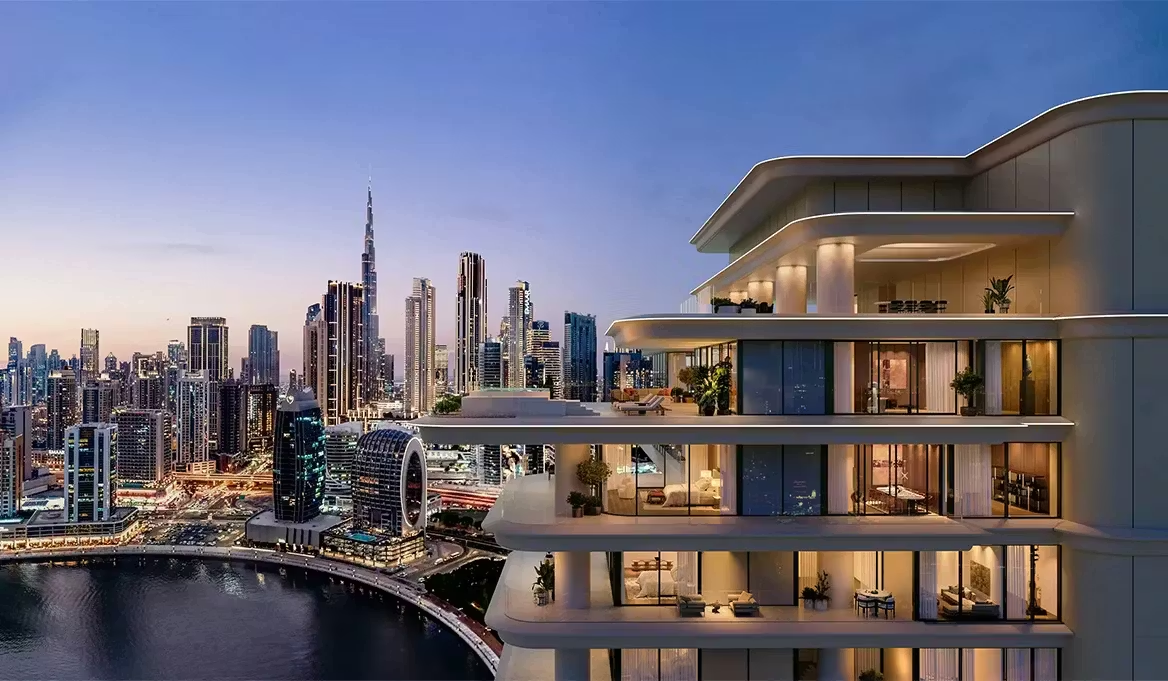
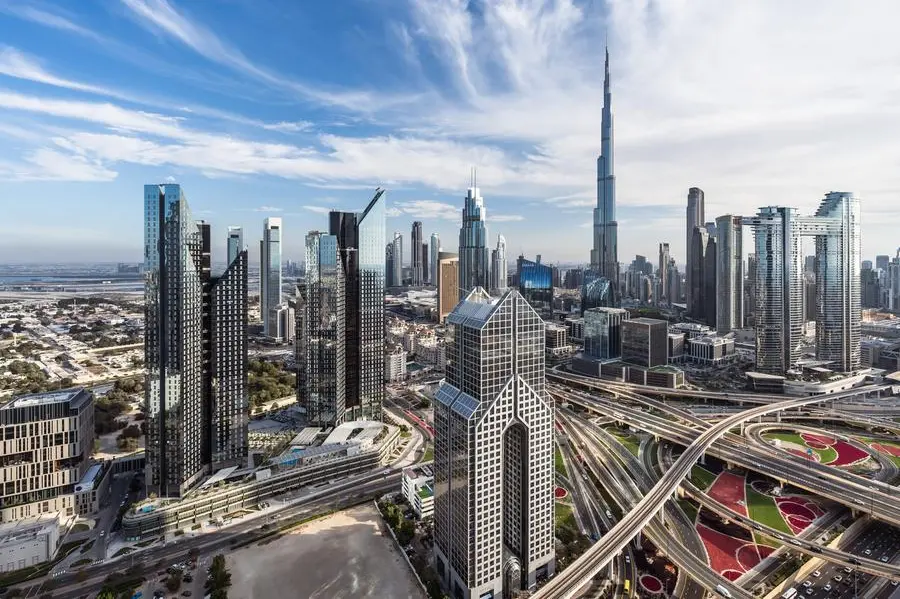
Several high-profile projects illustrate this trend. In Downtown Dubai, luxury hotels have introduced premium apartments with panoramic views of the Burj Khalifa. In Dubai Marina, developers are blending serviced residences with hotel towers, creating dynamic communities where living, working, and leisure seamlessly merge.
Even new hotel launches are being designed with apartments in mind. Developers are now considering floor plans, amenities, and pricing strategies that appeal to long-term residents without alienating tourists. This strategic foresight ensures that properties remain profitable and relevant for years to come.
Investors play a crucial role in this hybrid model. Real estate in Dubai has historically been a magnet for foreign buyers due to tax-free returns, luxury offerings, and strong rental yields. By incorporating apartments into hotels, developers are appealing to this global audience while also diversifying risk.
Fractional ownership schemes, where investors buy a portion of an apartment and share rental income, are gaining traction. This model allows investors to participate in the hospitality sector without bearing the full financial burden of owning a luxury property outright. It’s a flexible and profitable option that aligns with Dubai’s cosmopolitan investor base.
Smart technology has further fueled the rise of hotel-apartment hybrids. From keyless entry systems to automated concierge services, technology bridges the gap between hotel and residential living. Residents can enjoy the privacy of their apartment while accessing hotel-grade services at the touch of a button.
Property management software also allows developers to efficiently handle bookings, leasing, and maintenance. This digital backbone ensures that hybrid properties run smoothly, enhancing the guest experience while maintaining profitability.
Dubai’s developers are increasingly mindful of sustainability, integrating energy-efficient systems, water-saving initiatives, and green spaces into their projects. Apartments within hotels provide opportunities to incorporate sustainable living solutions without sacrificing luxury.
Lifestyle amenities like co-working spaces, fitness centers, and wellness hubs also enhance the appeal of these properties. They cater to modern residents who value convenience, community, and holistic living, making apartments within hotels a lifestyle choice rather than just a financial investment.
While promising, this model is not without challenges. Balancing the needs of short-term hotel guests and long-term residents requires careful planning. Privacy concerns, noise management, and shared facilities must be addressed to ensure all parties enjoy a seamless experience.
Regulatory frameworks and zoning laws can also complicate hybrid developments. Developers must navigate licensing, leasing rules, and property management regulations to create a legally compliant and profitable model. Despite these hurdles, the trend continues to grow as demand outweighs the complexity.
The hybrid hotel-apartment model is likely to expand further in Dubai. Developers are experimenting with innovative layouts, themed apartments, and lifestyle-focused communities. With Dubai’s vision of becoming a global hub for tourism, business, and luxury living, the integration of apartments into hotels aligns perfectly with the city’s growth trajectory.
This trend also reflects a larger shift in the hospitality industry globally. Travelers now seek personalized experiences and flexible options. By blending hotels with apartments, Dubai developers are setting a benchmark that other cities may soon follow.
Dubai’s hotel developers have found a clever way to maximize profits while meeting evolving consumer expectations. Adding apartments not only diversifies revenue streams but also enhances guest satisfaction and investor appeal.
As the city continues to grow and attract global attention, this model positions Dubai as a pioneer in luxury hybrid living. For developers, investors, and residents alike, the fusion of hotels and apartments represents opportunity, innovation, and long-term value. It’s a trend that is reshaping the skyline, redefining hospitality, and turning every square foot into a profitable and meaningful space.
The shift from pure hospitality to hybrid living underscores Dubai’s ability to adapt and innovate, ensuring the city remains at the forefront of luxury, investment, and lifestyle for years to come.
Do Follow Estate Magazine on Instagram
Read More:- Elite Group Holding Triumphs as UAE’s Most Trusted Superbrand 2025