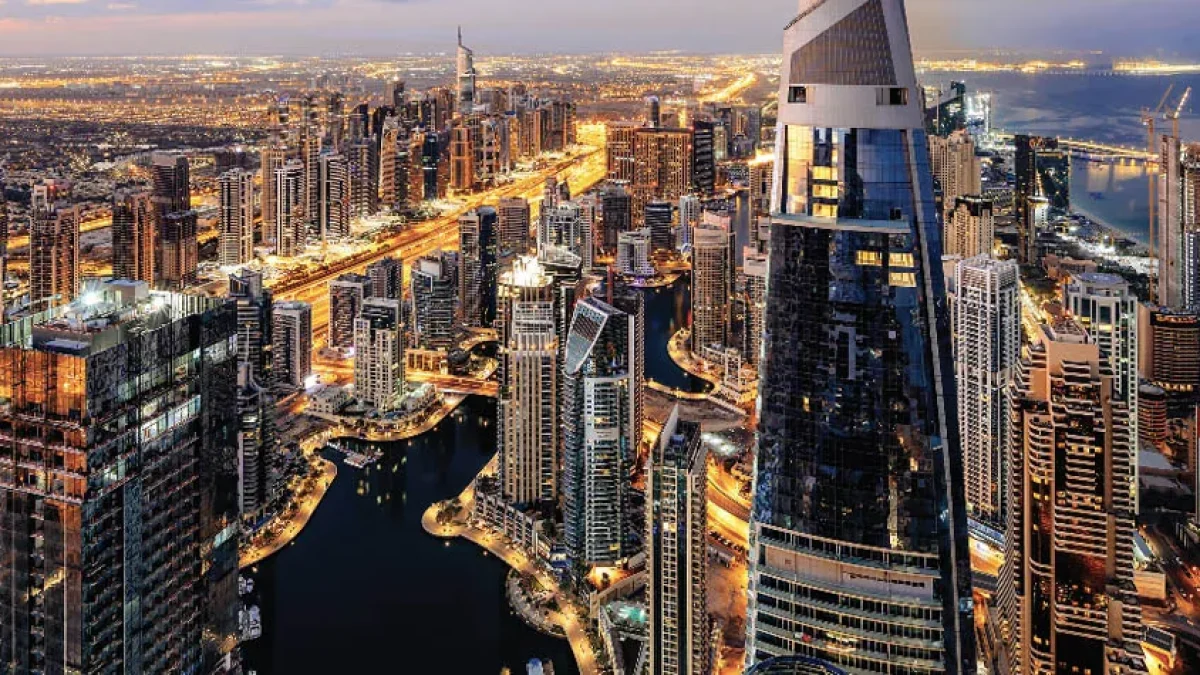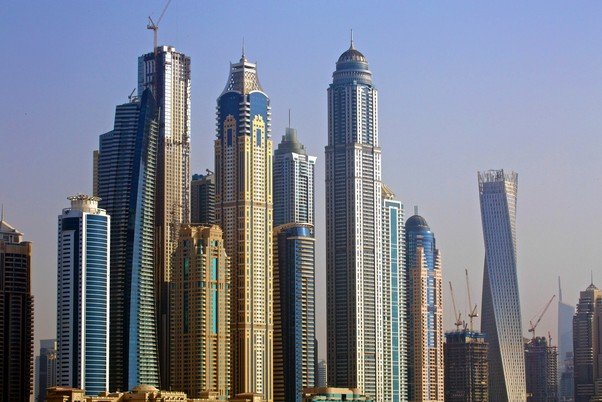
Dubai’s housing market is currently experiencing unprecedented growth, with record-breaking property sales and rising home prices across the city. While this surge signals a strong real estate sector, it has also raised concerns among industry experts who fear a potential repeat of the 2009 housing crash that severely impacted the economy. Investors, developers, and policymakers are now carefully observing the market to assess whether this boom is sustainable or a prelude to volatility.
Over the past year, both off-plan and secondary housing markets in Dubai have witnessed significant activity. Off-plan properties, which are homes sold before construction completion, have attracted international and local investors seeking attractive payment plans and potential capital gains. Secondary market properties, which are ready-to-move-in homes, continue to see strong demand from buyers seeking immediate occupancy or rental income opportunities.
According to real estate reports, Dubai recorded a substantial increase in transaction volumes, with thousands of homes changing hands in a matter of months. Property prices have risen in prime locations such as Dubai Marina, Downtown Dubai, and Business Bay. This rapid growth has created a sense of urgency among investors, driving competitive bids and pushing prices even higher.
The current housing boom has sparked memories of Dubai’s 2009 real estate crash. During that period, excessive speculation, overleveraged developers, and an oversupply of properties caused prices to plummet. Many investors faced significant losses, and the ripple effects were felt across the city’s economy.
Experts caution that some similarities exist between the current market and 2009. High demand and fast-rising prices can sometimes mask underlying vulnerabilities. If property growth continues unchecked, a sudden market correction could have negative consequences for buyers, developers, and financial institutions.
To prevent a repeat of past mistakes, the Dubai government has implemented several regulatory measures. These include stricter lending standards for banks, transparent property transaction protocols, and policies promoting affordable housing to ensure market balance.
Initiatives such as long-term visas for property investors and foreign ownership rights in freehold zones have attracted international capital, contributing to the surge in demand. However, authorities remain cautious and are monitoring trends closely to avoid market overheating.
Foreign investors have played a crucial role in Dubai’s housing boom. Buyers from Europe, Asia, and the Middle East are attracted by Dubai’s favorable business environment, tax-free rental income, and growing infrastructure. While foreign investment fuels growth, it also introduces risk factors. Global economic fluctuations, interest rate changes, or geopolitical tensions could impact investor sentiment, potentially leading to a sudden slowdown in property purchases.
Dubai’s government has been proactive in ensuring that foreign investment complements long-term market stability. Policies aim to balance the influx of international buyers with sustainable urban development and economic diversification strategies.
Despite the current optimism, several factors could threaten market stability. Rapidly rising prices may outpace income levels, creating affordability issues for local buyers. Overreliance on speculative investment and short-term gains can lead to sudden corrections. Additionally, global economic uncertainties and rising interest rates could affect borrowing costs, impacting property purchases.
Analysts emphasize the need for cautious investment strategies, including thorough due diligence on property locations, developers’ track records, and market trends. Sustainable growth is crucial to avoiding another crash scenario.
While risks exist, Dubai’s housing market shows strong fundamentals. Continued infrastructure projects, including the expansion of metro lines, new business districts, and freehold zone developments, support long-term demand. Communities like Dubai Creek, Al Barsha, and Jumeirah Village offer both lifestyle appeal and investment potential.
For investors, the key is balance. Diversifying portfolios across off-plan and ready properties, monitoring price trends, and staying informed about regulatory changes can help mitigate risks. Developers are also encouraged to focus on quality construction and realistic pricing to maintain market confidence.
Dubai’s housing boom demonstrates the city’s growing appeal as a global investment hub. Record sales and rising prices reflect investor confidence and the success of government policies. However, the lessons of 2009 remind all stakeholders that rapid growth comes with risks. Sustainable investment, careful market analysis, and proactive regulation are essential to ensuring that Dubai’s housing market continues to thrive without experiencing a repeat of past downturns.
The current boom may present tremendous opportunities, but awareness of potential volatility is key for both investors and buyers. Dubai’s ability to maintain market stability while fostering growth will determine whether this surge evolves into a long-term success story or a cautionary tale of the dangers of rapid expansion.
Follow us on – Instagram
Read More:Dubai Villa Market Soars 32.2% as Prices Hit AED 5.2M