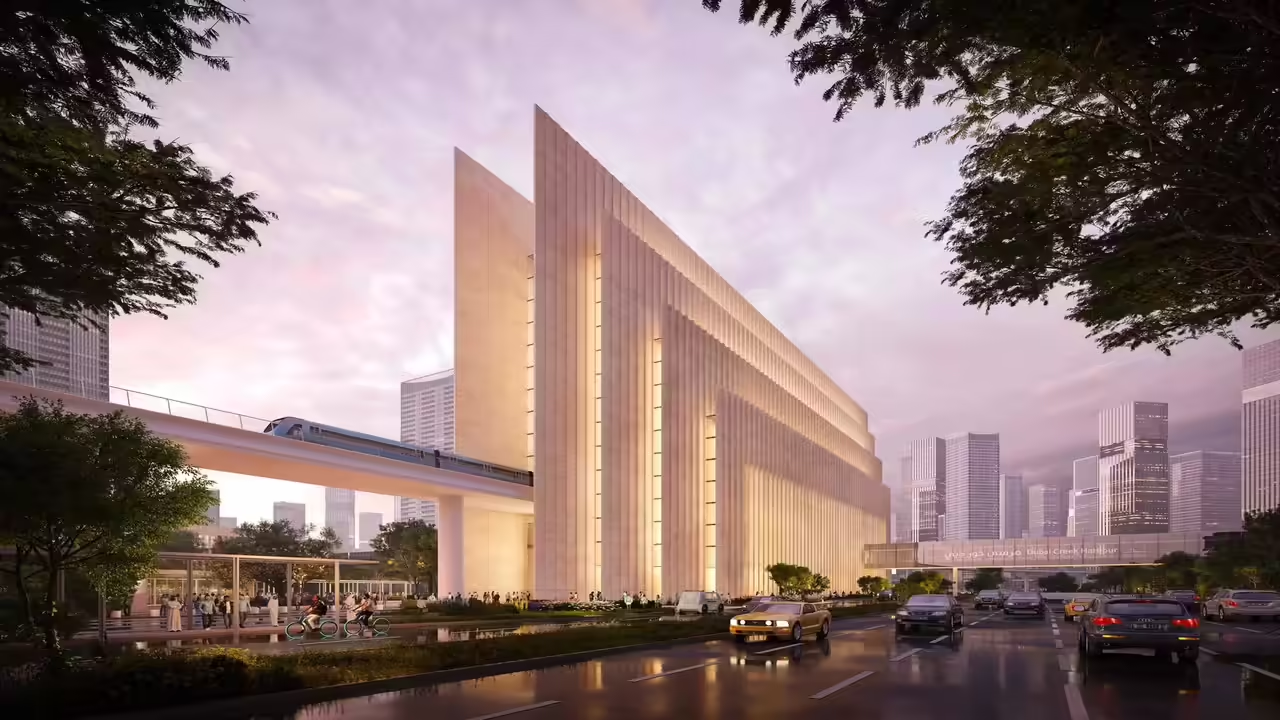
Dubai has always believed in building for the future, and the reveal of the Dubai Metro Blue Line map reinforces that vision in a powerful way. More than just a new transport route, the Blue Line represents how the city continues to evolve around people, communities, and daily life. With carefully planned stations, smarter connections, and a focus on accessibility, this new line is set to redefine how residents and visitors move across the city.
The Blue Line is not simply an extension of the existing metro network. It is a strategic addition designed to connect emerging districts, reduce travel time, and support Dubai’s long-term urban growth. As the map becomes public, it offers a clearer picture of how the city’s transport ecosystem is expanding in a thoughtful and people-centric manner.
At its core, the Dubai Metro Blue Line is about balance. It balances rapid urban expansion with sustainable transport solutions, and modern infrastructure with everyday convenience. The newly revealed map highlights a route that complements the Red and Green Lines while opening access to areas that are fast becoming residential and commercial hubs.
This line is designed to serve both established neighborhoods and newly developing zones. By doing so, it ensures that growth does not come at the cost of longer commutes or increased road congestion. Instead, it encourages residents to shift towards public transport that is reliable, efficient, and comfortable.
For many people in Dubai, commuting is a daily reality that shapes work-life balance. The Blue Line directly addresses this by offering smoother connections and reducing dependency on cars. Shorter travel times mean more time at home, less stress on the roads, and a more predictable daily routine.
The map also shows how the Blue Line integrates seamlessly with existing metro lines. This integration is crucial because it allows passengers to switch routes easily without complicated transfers, making public transport a practical choice rather than a compromise.
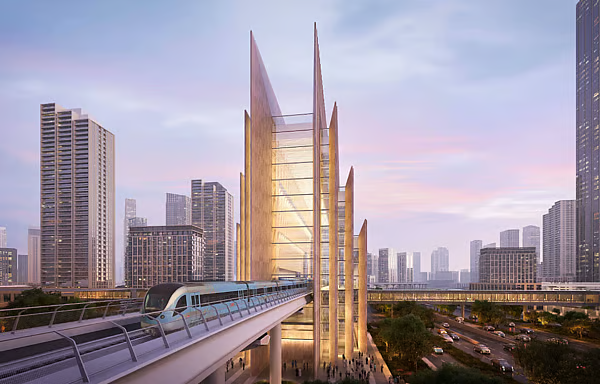
The revealed map gives a clear sense of direction and intent. The Blue Line stretches across key corridors that link residential areas, business districts, and essential urban zones. Each station is positioned with purpose, reflecting population density, future development plans, and accessibility needs.
The route has been planned to ensure that large communities are within comfortable reach of a metro station. This approach supports the idea of a walkable city, where public transport becomes a natural extension of daily movement rather than a last resort.
The Blue Line connects several important districts that are expected to see significant growth in the coming years. These areas include mixed-use developments, educational zones, and commercial centers that attract both residents and professionals.
By linking these zones directly to the wider metro network, the Blue Line helps distribute economic activity more evenly across the city. It also reduces pressure on older, more congested routes by offering alternative paths for commuters.
While the map focuses on routes and stations, it also hints at the broader passenger experience. Stations along the Blue Line are expected to follow Dubai Metro’s established standards of comfort, safety, and modern design. Spacious platforms, clear signage, and easy access points make travel more intuitive, especially for first-time users.
Accessibility is another important aspect reflected in the planning. The Blue Line stations are designed to accommodate people of determination, families with children, and elderly passengers, ensuring that the metro remains inclusive for everyone.
The Dubai Metro network has always been about connectivity, and the Blue Line strengthens this foundation. By adding a new layer to the existing system, it improves network resilience and flexibility. If one route experiences congestion, passengers have more alternatives to reach their destinations.
This interconnected approach also supports Dubai’s broader transport goals. The city aims to increase the share of public transport journeys, and the Blue Line plays a key role in achieving that target by making metro travel more convenient and appealing.
One of the most significant benefits of the Blue Line is its potential impact on traffic congestion. With more people opting for the metro, fewer cars are expected on the roads during peak hours. This not only improves travel times but also contributes to a cleaner urban environment.
Lower vehicle emissions mean better air quality, which directly affects public health and overall quality of life. The Blue Line, therefore, is not just a transport project but also an environmental step forward.
Whenever a new metro line is introduced in Dubai, it has a visible effect on surrounding areas, and the Blue Line is no exception. The revealed map already indicates which neighborhoods are likely to benefit from improved connectivity.
Properties near metro stations often see increased demand due to convenience and accessibility. For residents, this means easier commutes. For investors and businesses, it opens opportunities in areas that are now better connected to the rest of the city.
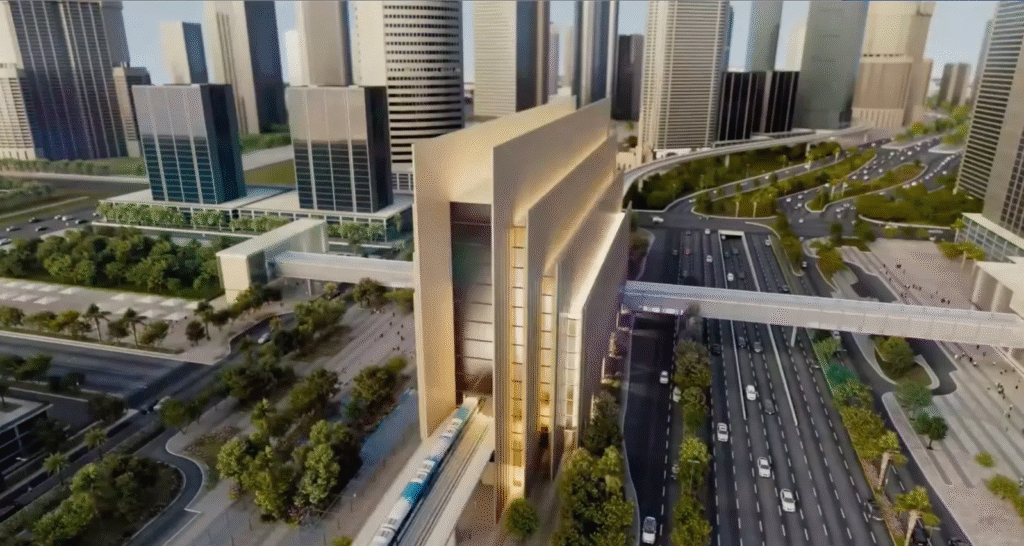
Dubai continues to grow outward, with new residential and commercial projects shaping the city’s future. The Blue Line supports this expansion by ensuring that transport infrastructure keeps pace with development.
By connecting new communities early, the city avoids the challenges of retrofitting transport solutions later. This proactive planning helps create balanced neighborhoods where people can live, work, and travel efficiently.
For residents, the Blue Line represents convenience, time savings, and improved mobility. Daily commutes become more predictable, and weekend travel across the city becomes easier. Whether it is reaching work, visiting friends, or accessing essential services, the metro simplifies movement.
For visitors, the Blue Line enhances the overall experience of exploring Dubai. Clear routes and well-connected stations make it easier to navigate the city without relying heavily on taxis or private transport.
The Blue Line reinforces Dubai’s identity as a connected global city. It brings people closer to opportunities, experiences, and each other. By shortening distances and simplifying travel, it encourages exploration and engagement across different parts of the city.
This sense of connection goes beyond physical movement. It supports social interaction, economic participation, and a shared urban experience that benefits everyone.
The reveal of the Blue Line map is also a glimpse into Dubai’s long-term transport ambitions. It shows that the city is thinking ahead, planning infrastructure that will serve not just today’s population but future generations as well.
As Dubai continues to innovate, the metro network will remain a central pillar of its urban strategy. The Blue Line sets a strong example of how thoughtful planning and human-focused design can shape a city’s future.
The Dubai Metro Blue Line is more than a new route on a map. It is a step towards smarter, more sustainable urban living. By prioritizing connectivity, accessibility, and quality of life, the city once again demonstrates its commitment to progress that truly serves people.
As residents begin to visualize their daily journeys along the Blue Line, one thing becomes clear. This project is not just about moving from one station to another. It is about moving Dubai forward, together.
Do Follow Estate Magazine on Instagram
Read More:- Dubai Real Estate Smashes Records As 2025 Redefines Property Wealth