Dubai’s office market is entering a defining phase one that signals not a slowdown, but a thoughtful and strategic reset. After years of rapid expansion, shifting work habits, and record-breaking demand for premium spaces, the city’s commercial real estate sector is realigning itself with new business realities. This reset is reshaping how offices are built, leased, valued, and experienced, positioning Dubai for its next chapter as a global business hub.
This transformation is being driven by changing tenant expectations, evolving workplace cultures, and a renewed focus on quality over quantity. For investors, occupiers, and developers alike, this moment represents opportunity rather than uncertainty.
A market reset does not imply decline or correction in the traditional sense. In Dubai’s case, it reflects a recalibration of supply, demand, and purpose. The office sector is moving away from generic, one-size-fits-all buildings toward flexible, efficient, and experience-driven workspaces.
Businesses today are more intentional about how much space they lease and how it supports productivity, collaboration, and employee wellbeing. As a result, older office stock is being reassessed, while high-quality, well-located developments are gaining even stronger traction.
Dubai has emerged from global disruptions with renewed confidence. Economic diversification, population growth, and business-friendly reforms have attracted multinational firms, startups, and regional headquarters. This growth, combined with new workplace expectations, has naturally triggered a market reset rather than unchecked expansion.

Companies are no longer chasing large floor plates simply to accommodate headcount. Instead, they are prioritising well-designed spaces that support hybrid work models, collaboration zones, and smart layouts.
Grade A offices in prime districts are seeing strong demand, while outdated buildings without modern amenities are facing increased vacancy or rental pressure. Tenants are willing to pay a premium for efficiency, sustainability, and prestige.
The modern office is no longer static. Businesses want flexible lease terms, adaptable layouts, and access to shared facilities. This has fuelled demand for serviced offices, co-working spaces, and managed workspace solutions across Dubai.
For many occupiers, flexibility is not a temporary preference it is now a core operational strategy.
Developers are approaching office projects with greater precision. Instead of adding large volumes of space, new developments are carefully planned to match real demand, focusing on prime locations, mixed-use integration, and long-term relevance.
This measured supply pipeline is helping stabilise the market while encouraging innovation in design and functionality.
A significant part of Dubai’s office inventory consists of older buildings that no longer meet modern standards. The reset is pushing landlords to make a choice upgrade, reposition, or risk obsolescence.
Renovations, sustainability upgrades, and conversion into alternative uses are becoming increasingly common strategies to maintain competitiveness.
While the broader market is recalibrating, prime office locations are thriving. Business districts with strong connectivity, amenities, and brand value are witnessing stable to rising rents and high occupancy levels.
This performance highlights a clear divide between premium assets and secondary stock, reinforcing the importance of location and quality.
The reset is also creating opportunities in emerging office hubs. Areas that offer modern infrastructure at relatively competitive rents are attracting growing interest from startups, SMEs, and regional firms.
These districts are gradually establishing themselves as credible alternatives to traditional commercial centres.
Sustainability has moved from a “nice-to-have” feature to a key decision-making factor. Tenants are increasingly seeking energy-efficient buildings with green certifications, lower operating costs, and healthier work environments.
Developers and landlords who invest in sustainable design are finding it easier to attract long-term tenants and future-proof their assets.
Smart building systems, touchless access, efficient climate control, and data-driven space management are shaping the next generation of offices in Dubai. These technologies not only improve efficiency but also enhance employee comfort and operational resilience.
Investors are becoming more selective, favouring office assets with strong fundamentals, long-term tenant appeal, and upgrade potential. The reset is encouraging a more mature investment approach centred on sustainability and income stability.
Rather than speculative plays, the market is seeing increased interest in assets that can adapt to future workplace trends.
Despite short-term adjustments, investor confidence in Dubai’s office market remains robust. The city’s strategic location, pro-business policies, and economic vision continue to support long-term growth prospects.
The reset is widely seen as a healthy evolution that strengthens market fundamentals.
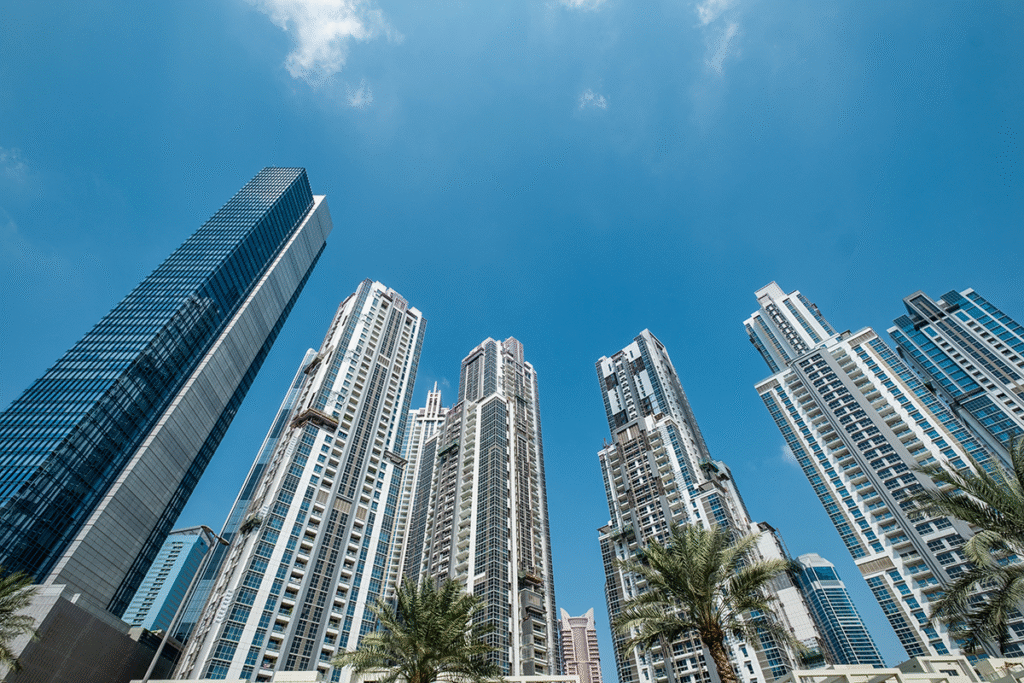
Hybrid work has changed the role of the office. It is no longer just a place to work—it is a destination for collaboration, innovation, and culture-building. Companies are redesigning offices to encourage team interaction and creative thinking.
This shift is influencing space planning, interior design, and amenity offerings across Dubai’s commercial properties.
Businesses are reassessing how much space they truly need. This right-sizing trend is helping optimise occupancy levels and pushing landlords to offer more value-driven propositions.
The result is a more efficient, balanced market aligned with real business needs.
Dubai’s office market reset marks a transition toward maturity. Supply and demand are becoming better aligned, quality is being rewarded, and outdated assets are being challenged to evolve.
This balance reduces volatility and supports sustainable growth over the long term.
For developers, landlords, and investors, the reset is an invitation to innovate. Those who respond with upgraded assets, flexible offerings, and tenant-centric strategies are likely to benefit the most.
For occupiers, it means access to better-designed spaces that support modern workstyles and business growth.
Dubai’s office market is not stepping back it is stepping forward with clarity and purpose. This major reset reflects a city that understands change and embraces it with confidence. By prioritising quality, flexibility, and sustainability, Dubai is redefining what office spaces should deliver in a fast-evolving world.
As the market continues to realign, one thing is clear: this reset is laying the foundation for a smarter, stronger, and more resilient office sector one that supports Dubai’s ambition to remain a leading global business destination.“Come”
Do Follow Estate Magazine on Instagram
Read More:- Dubai Dominates Future Wealth With Regulated Crypto Property Investments 2025