Dubai’s real estate market in 2026 stands at a rare intersection of confidence, capital, and community growth. Unlike past cycles driven mainly by speculation, today’s momentum is backed by real people moving in, global wealth finding a long-term home, and a city that continues to reinvent itself faster than almost anywhere else in the world. Property prices are rising, but more importantly, they are rising with purpose.
From luxury waterfront villas to mid-income family apartments, demand across segments remains deep and diverse. What makes 2026 different is not just the scale of growth, but the quality of buyers shaping the market.
Dubai’s property story in 2026 is grounded in fundamentals. End-users, long-term investors, entrepreneurs, and global professionals are all active participants, creating a balanced and resilient market.
One of the most encouraging signs for Dubai real estate is the steady rise in end-user purchases. Families relocating for work, lifestyle, safety, and education are buying homes rather than renting. This shift is creating stability in prices and reducing sharp market swings.
Many buyers now see Dubai not as a temporary stop but as a place to settle, raise children, and build long-term wealth. This emotional connection to property is strengthening demand across established and emerging communities.
Investor sentiment in 2026 is notably mature. Instead of short-term flipping, buyers are focusing on rental yields, capital appreciation over five to ten years, and portfolio diversification. Dubai’s transparent regulations and investor-friendly environment continue to inspire confidence among global capital holders.
Dubai’s population growth is no longer a projection; it is a visible reality shaping daily life, infrastructure planning, and housing needs.
Professionals from Europe, Asia, Africa, and the Americas are relocating to Dubai for career opportunities, tax efficiency, and quality of life. Remote workers, digital entrepreneurs, and startup founders are adding a new layer to housing demand, particularly for well-designed apartments and townhouses close to business hubs.
This constant inflow ensures that housing demand remains strong even as new supply enters the market.
Education reforms, world-class healthcare, safety, and multicultural inclusivity are convincing families to put down roots. School proximity, community amenities, and green spaces are now top decision-making factors, driving demand in master-planned residential areas.
As family-oriented communities grow, prices in these zones continue to rise steadily rather than explosively, making them attractive for long-term buyers.
High-Net-Worth Individuals are playing a defining role in Dubai’s real estate landscape in 2026. Their influence goes far beyond luxury price tags.
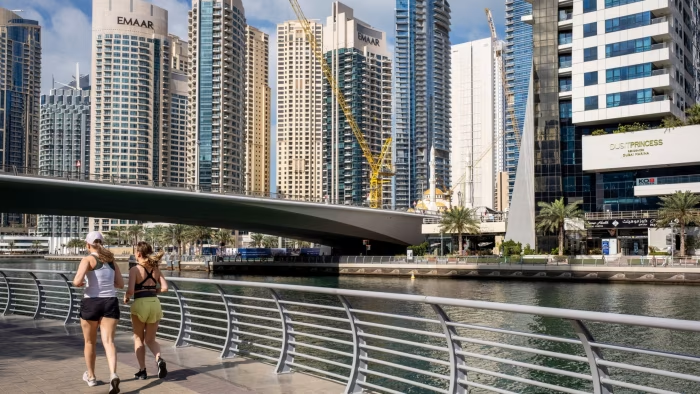
Political neutrality, economic stability, and lifestyle security have positioned Dubai as a preferred destination for global wealth. Ultra-high-net-worth buyers are purchasing branded residences, beachfront villas, and signature penthouses not just as investments but as personal sanctuaries.
This influx is pushing luxury prices higher while also elevating design standards and community exclusivity.
Limited-edition developments, waterfront properties, and branded homes are seeing intense demand. These assets often sell out quickly, setting new price benchmarks for surrounding areas. The ripple effect benefits the broader market, lifting values across prime and near-prime locations.
Unlike earlier cycles, supply in 2026 is being introduced in a more calculated and phased manner.
Developers are prioritizing livability, sustainability, and design innovation over sheer volume. Projects now emphasize community living, smart-home technology, wellness features, and energy efficiency.
This focus on quality ensures that new supply complements demand rather than overwhelming the market.
New launches are strategically aligned with infrastructure projects, transport corridors, and lifestyle hubs. Areas connected to metro expansions, business districts, and leisure destinations are seeing faster absorption and stronger price appreciation.
Dubai’s rental market remains a powerful pillar supporting property prices in 2026.
Strong population inflows have kept rental occupancy rates high. From affordable apartments to luxury villas, tenants are competing for well-located properties, pushing rents upward and improving investor returns.
This rental strength reassures buyers that asset values are supported by income generation, not speculation.
Even as prices rise, rental yields in Dubai continue to outperform many global cities. This balance between capital appreciation and cash flow keeps Dubai firmly on the radar of international investors.
In 2026, people are buying into a lifestyle as much as a location.
Walkable communities, beach access, co-working spaces, wellness centers, and entertainment districts are redefining urban living. Buyers value experiences as much as square footage, and Dubai delivers both.
This lifestyle-driven demand ensures emotional buying, which historically supports price resilience even during global uncertainties.
Eco-friendly buildings, green spaces, and energy-efficient designs are influencing buyer choices. Properties that align with sustainability goals are commanding premium prices and faster resale values.
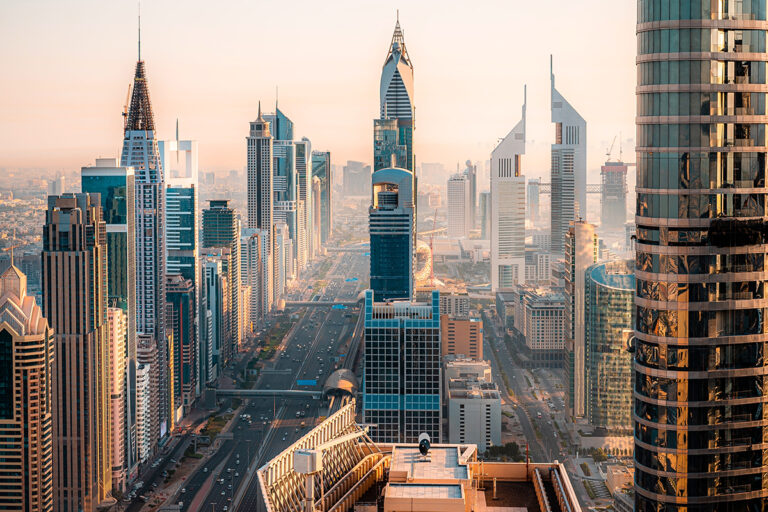
In an uncertain global environment, Dubai stands out as a city offering clarity and opportunity.
Currency stability, investor protections, and pro-business governance make Dubai a preferred destination for capital preservation. Property ownership here is seen as a hedge against global volatility.
Confidence is contagious. As more global investors, entrepreneurs, and families choose Dubai, it reinforces the belief that the city’s growth story is far from over. This collective optimism continues to push demand and prices upward.
Dubai’s real estate market in 2026 rewards informed decisions.
Those planning to live in Dubai are increasingly motivated to buy sooner rather than later. Rising prices, strong rental alternatives, and limited prime inventory suggest that waiting may come at a higher cost.
Long-term investors benefit from a rare combination of appreciation potential, rental income, and lifestyle-driven demand. Strategic location selection and quality-focused assets are key to maximizing returns.
Dubai’s property growth in 2026 is not accidental. It is the result of thoughtful urban planning, global connectivity, and a city that listens to the needs of its residents and investors.
Robust demand, steady population growth, and the powerful entry of HNWIs are not short-term trends. They represent a structural shift in how the world views Dubai.
As the city continues to evolve, its real estate market reflects more than rising prices. It reflects confidence, belonging, and a shared belief that Dubai is not just a place to invest, but a place to call home.
Do Follow Estate Magazine on Instagram
Read More:- Why UAE Property Buyers Are Following Energy and Innovation 2026