The Dubai property market is a vibrant tapestry of opportunities, challenges, and cyclical trends. Whether you’re an investor, homebuyer, or simply intrigued by real estate, understanding the dynamics of the Dubai property market cycles and forecasts can empower your decisions. In this exploration, we will delve into the intricacies of these cycles, uncovering the patterns that shape the market and predicting what lies ahead.
The Dubai property market is characterized by distinct cycles that repeat over time. These cycles are influenced by various factors, including economic conditions, investor sentiment, and government policies.
Typically, the market experiences four primary phases: expansion, peak, contraction, and trough.
During the expansion phase, demand for properties increases, driven by a growing economy and influx of expatriates. Prices rise steadily as developers launch new projects to meet the demand, making this an ideal time for investors.
The peak phase is marked by heightened activity and soaring prices. This is when most investors are eager to enter the market, often leading to overvaluation.
In the contraction phase, demand starts to decline due to economic shifts or oversupply. Prices stabilize or even drop as sellers adjust their expectations.
Finally, the trough phase represents the lowest point of the cycle. Here, many properties may remain unsold, and prices can be significantly lower than in previous phases. It’s a challenging time, but also a unique opportunity for astute investors looking for bargains.
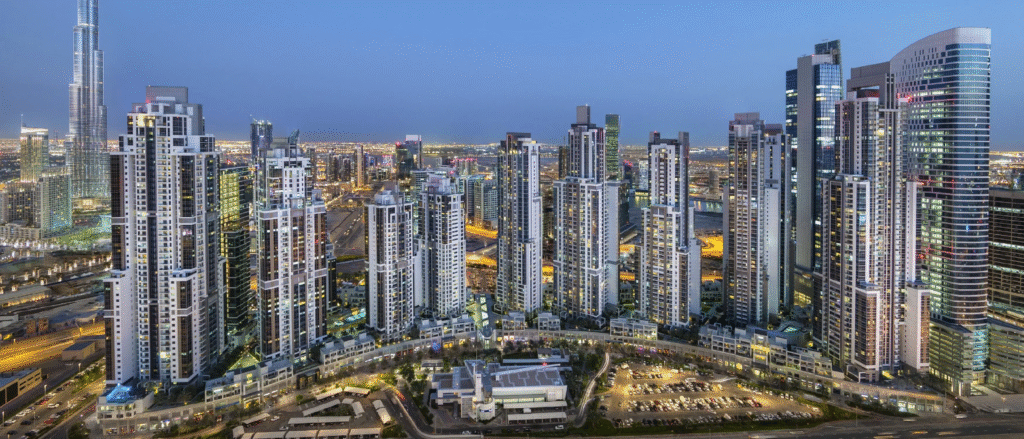
Understanding the cycles of the Dubai property market requires a keen awareness of external influences.
Global economic indicators, such as oil prices, can have a direct impact on Dubai’s economy, which in turn affects the real estate sector. For instance, a surge in oil prices often leads to increased spending and investment in the region, boosting property demand.
Moreover, government policies play a crucial role in shaping market dynamics. Initiatives aimed at attracting foreign investment, such as visa reforms and tax incentives, can invigorate the property market, pushing it into an expansion phase.
Conversely, regulations that restrict foreign ownership or increase transaction costs can dampen investor enthusiasm, leading to a contraction.
As of now, the Dubai property market is showing signs of resilience and growth.
Post-pandemic recovery has fueled renewed interest in real estate, with many buyers seeking spacious homes in response to changing lifestyles. The demand for villas and townhouses has surged, while the luxury sector has also seen a significant uptick in transactions.
Additionally, the ongoing developments in infrastructure and tourism have made Dubai an attractive destination for both local and international investors. The upcoming Expo 2020, which has now been completed, was expected to boost the real estate sector significantly, and the effects are still being felt.
Overall, the market is currently experiencing a phase of expansion, making it an exciting time for potential buyers and investors.
Looking ahead, the forecast for the Dubai property market is cautiously optimistic.
Several factors indicate a continued upward trajectory. The government’s commitment to diversifying the economy beyond oil, coupled with major investments in technology and tourism, suggests sustained growth in the real estate sector.
Moreover, demographic trends point towards an increasing population, particularly among expatriates. This growing demand for housing is likely to keep the market vibrant.
However, it’s essential to remain vigilant about potential challenges. Global economic shifts, fluctuating oil prices, and changes in immigration policies could introduce volatility.
Investors should stay informed and be prepared to adapt their strategies as new data and trends emerge.
For those looking to invest in the Dubai property market, understanding cycles and forecasts is vital.
A strategic approach involves timing your investments according to market phases. Purchasing during a trough can yield significant returns as the market rebounds.
Additionally, consider diversifying your property portfolio to mitigate risks. Investing in various property types—residential, commercial, and vacation rentals—can provide stability during uncertain times.
Staying informed about market trends and economic indicators will also aid in making sound investment decisions. Engaging with real estate professionals and attending market seminars can provide valuable insights.
The Dubai property market cycles and forecasts reveal a landscape filled with potential and opportunity. By understanding the cyclical nature of the market and remaining informed about external influences, investors and homebuyers can position themselves for success.
As the market continues to evolve, a proactive and informed approach will be essential for navigating the dynamic environment of Dubai’s real estate sector.
Do Follow Estate Magazine on Instagram
Read More:- Dubai Economic & Investment Topics: a Comprehensive Overview 2026