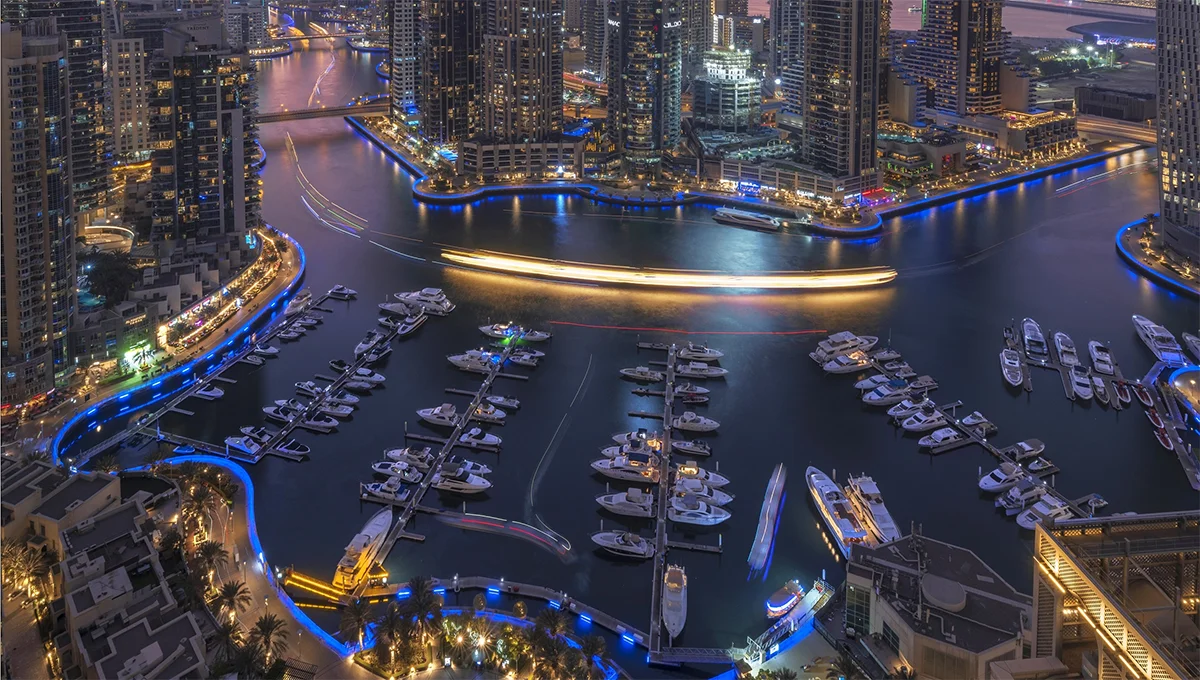
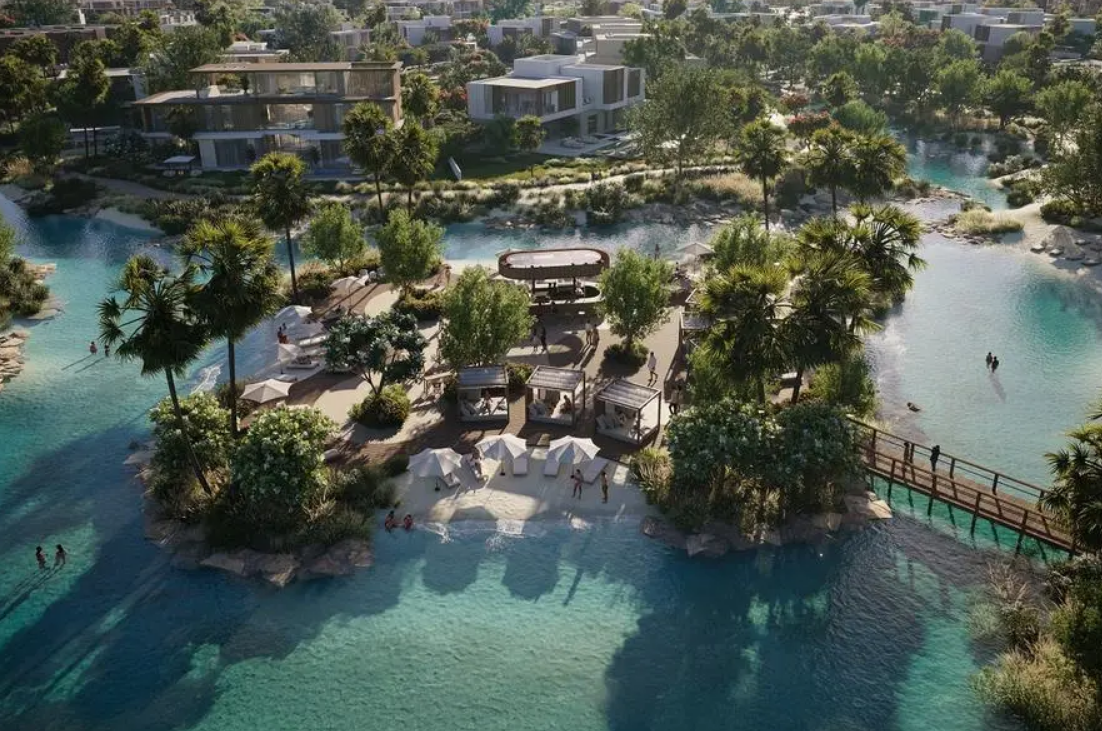
Imagine waking in your Dubai home, where a gentle voice command opens the blinds, revealing a golden sunrise over a lush park or serene lagoon. Your coffee brews in a smart, eco-friendly kitchen, and wide windows frame a vibrant community where neighbors practice yoga, jog along shaded trails, or gather at a wellness plaza buzzing with connection. You start your day with a meditation session in a tranquil garden, then unwind by a community pool, feeling the pulse of a city crafted for health, balance, and modern living.
It’s August 2025, and Dubai’s healthy living spaces Emaar’s Dubai Hills Estate, Sobha’s Sobha Hartland II, and Damac’s Damac Lagoons are transforming the real estate market with wellness-focused designs, smart technology, and vibrant community spaces. With 96,000 transactions worth $87 billion in the first half, up 15% from 2024, and 55% of buyers from the UK, India, Russia, and China, Dubai is a global magnet.
Offering 100% freehold ownership, a dirham pegged to the U.S. dollar, and no personal income tax, capital gains tax, or annual property taxes, properties priced from $300,000 to $5 million deliver 6-8% rental yields and 7-10% price appreciation, outpacing London (2-4%) and New York (2-3%).
Properties over $545,000 qualify for a 10-year Golden Visa, while those at $204,000 grant 2-year residency. Fueled by 25 million tourists and a 4% population surge, these modern communities are shaping Dubai’s wellness-driven future. Navigating fees, VAT, and 2025 regulations is your key to securing a radiant, healthy investment.
Emaar’s Dubai Hills Estate, a 2025 gem, offers villas and apartments with smart climate systems, wellness gardens, and community amenities like fitness trails and meditation pavilions. Priced at $500,000-$5 million, these homes yield $30,000-$250,000 annually, tax-free, saving $11,100-$112,500 compared to the U.S. (37%) or UK (45%). Selling a $2 million villa for $2.2 million (10% appreciation) nets a $200,000 tax-free profit, saving $40,000-$56,000 versus London (20-28%) or New York (20-37%).
No property taxes save $5,000-$50,000 yearly, unlike London’s council tax (up to 2%) or New York’s property tax (1-2%). Residential purchases skip 5% VAT ($25,000-$250,000), and wellness features like yoga studios drive 7-10% price growth. With 85-90% occupancy, this project attracts European and Russian buyers seeking luxury, health-conscious living.
Dubai Hills Estate feels like a radiant, wellness-focused haven for modern elegance.
Sobha’s Sobha Hartland II, thriving in 2025, offers villas and apartments with green rooftops, smart energy systems, and wellness hubs including meditation zones and organic gardens. Priced at $400,000-$3 million, these properties yield $24,000-$180,000 annually, tax-free, saving $8,880-$81,000. Short-term rentals, boosted by 25 million tourists, require a DTCM license ($408-$816), increasing yields by 10-15% ($2,400-$27,000). Long-term leases need Ejari registration ($54-$136).
Non-compliance risks fines up to $13,612. With smart automation and wellness-focused design, these homes drive 80-85% occupancy and 7-10% price growth, delivering a 6-8% ROI. A 4% DLD fee ($16,000-$120,000), often split, applies, but zero capital gains tax saves $16,000-$120,000 on $80,000-$600,000 profits. Indian and UK buyers are drawn to this urban, health-conscious community.
Sobha Hartland II feels like a vibrant, eco-conscious oasis for mindful living.
Damac’s Damac Lagoons, a 2025 highlight, offers villas and townhouses with smart climate controls, community lagoons, and wellness amenities like yoga decks and shaded pathways. Priced at $300,000-$2 million, these properties yield $18,000-$120,000 annually, tax-free, saving $6,660-$54,000. Selling a $600,000 villa for $660,000 yields a $60,000 tax-free profit, saving $12,000-$16,800.
No property taxes save $3,000-$20,000 yearly, and VAT exemptions save $15,000-$100,000. Maintenance fees ($3,000-$10,000) cover wellness facilities and smart security, with a 5% municipality fee ($900-$6,000) on rentals. With 7-10% price growth and 80-85% occupancy, this project attracts Chinese and GCC buyers seeking affordable, healthy living.
Damac Lagoons feels like a radiant, accessible haven for wellness-focused families.
Healthy living spaces are Dubai’s fastest-growing real estate trend in 2025, driven by global demand for wellness and sustainability. Dubai Hills Estate’s meditation pavilions, Sobha Hartland II’s organic gardens, and Damac Lagoons’ yoga decks appeal to health-conscious buyers from India, eco-focused professionals from the UK, and active families from the GCC.
With 80-90% occupancy and 7-10% price growth, these communities offer vibrant lifestyles and strong financial returns. The global wellness real estate market, valued at $438 billion in 2024, is growing at 22% annually, and Dubai’s focus on health-driven amenities positions it as a leader. These communities foster physical and mental well-being, making them irresistible to buyers seeking a balanced, modern lifestyle.
Healthy living spaces feel like vibrant pillars of Dubai’s thriving real estate market.
Wellness amenities are the soul of Dubai’s 2025 healthy living spaces, nurturing physical and mental health. Dubai Hills Estate’s fitness trails host community runs, Sobha Hartland II’s meditation zones spark mindfulness retreats, and Damac Lagoons’ yoga decks offer serene sunrise sessions, driving 80-90% occupancy. These features attract diverse buyers, with 7-10% price growth reflecting demand for health-focused living. By prioritizing well-being, these communities create vibrant, nurturing environments that elevate both lifestyle and investment value, cementing healthy living spaces as Dubai’s top market trend.
Wellness amenities feel like radiant roots fostering thriving, healthy communities.
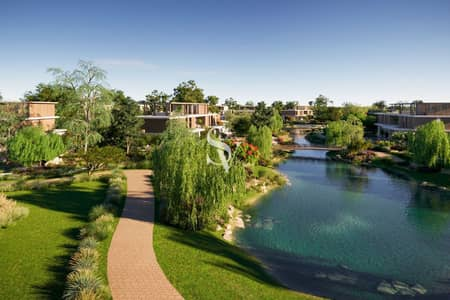
Smart technology is a cornerstone of Dubai’s 2025 healthy living spaces, enhancing comfort and efficiency. Dubai Hills Estate’s IoT systems control lighting and climate, Sobha Hartland II’s smart kitchens integrate air purifiers, and Damac Lagoons’ automation optimizes energy use via apps, boosting 80-90% occupancy. Priced at $300,000-$5 million, these properties yield $18,000-$250,000 annually, tax-free, with smart features driving demand. Short-term rentals require a DTCM license ($408-$816), increasing yields by 10-15%. Long-term leases need Ejari registration ($54-$136). Non-compliance risks fines up to $13,612. These tech-driven homes, paired with 7-10% price growth, attract tech-savvy buyers from Russia and China, fueling Dubai’s wellness trend.
Smart technology feels like a vibrant spark igniting seamless, healthy living.
Sustainable design supports Dubai’s 2025 healthy living spaces, reducing environmental impact while enhancing well-being. Dubai Hills Estate’s solar panels cut energy costs by 20-30%, Sobha Hartland II’s smart irrigation saves water, and Damac Lagoons’ passive cooling reduces emissions, driving 80-90% occupancy. These features align with Dubai’s 2050 Clean Energy Strategy, attracting eco-conscious buyers with 7-10% price growth. By integrating renewable energy and green materials, these communities create vibrant, sustainable environments that elevate both lifestyle and investment value.
Sustainable design feels like radiant roots nurturing Dubai’s thriving wellness future.
Community design in Dubai’s 2025 healthy living spaces fosters connection and well-being. Damac Lagoons’ community lagoons host family events, Sobha Hartland II’s eco-plazas spark social gatherings, and Dubai Hills Estate’s wellness plazas encourage health-focused meetups, driving 80-90% occupancy. These designs attract diverse buyers families from India, professionals from the UK, and investors from Russia creating multicultural, wellness-oriented neighborhoods. With 7-10% price growth, community-driven layouts blend lifestyle and investment value, making healthy living spaces a cornerstone of Dubai’s real estate market.
Community design feels like a warm embrace fostering radiant, connected living.
Dubai’s Golden Visa program, offering 10-year residency for properties over $545,000, is a key driver for 2025 healthy living space demand. A $600,000 Sobha Hartland II villa qualifies, providing family sponsorship and business setup perks. Smaller properties at $204,000, like Damac Lagoons townhouses, offer 2-year residency, drawing entry-level buyers from India and China. With 7-10% price growth and 80-90% occupancy, this program attracts UK and Russian buyers, creating diverse, stable communities. Unlike stricter residency rules elsewhere, the Golden Visa fuels demand for Dubai’s wellness communities.
The Golden Visa feels like a golden bridge to thriving healthy neighborhoods.
Dubai’s no personal income tax policy empowers investors, letting them keep 100% of rental income. A $300,000 Damac Lagoons townhouse yields $18,000-$25,200, saving $6,660-$11,340; a $2 million Dubai Hills Estate villa yields $120,000-$168,000, saving $54,000-$75,600. Short-term rentals require a DTCM license ($408-$816), boosting yields by 10-15%. Long-term leases need Ejari registration ($54-$136). A 5% municipality fee ($900-$8,400) applies, with fines up to $13,612 for non-compliance. High occupancy from wellness and smart amenities ensures this tax advantage drives the healthy living market.
Tax-free rentals feel like a refreshing wave of financial prosperity.
Zero capital gains tax lets investors keep 100% of sale profits, a key driver for healthy living spaces. Selling a $500,000 Damac Lagoons home for $550,000 yields a $50,000 tax-free profit, saving $10,000-$14,000. A $3 million Sobha Hartland II villa sold for $3.3 million delivers a $300,000 tax-free gain, saving $60,000-$84,000. With 7-10% price growth, these homes outperform global markets. A 4% DLD fee ($12,000-$200,000), often split, applies, but tax-free profits ensure wealth preservation for wellness-focused investors.
Keeping every dirham feels like a radiant triumph of smart investing.
No annual property taxes save $3,000-$50,000 yearly on $300,000-$5 million properties, unlike London’s council tax ($3,000-$30,000) or New York’s property tax (1-2%). Maintenance fees ($3,000-$25,000) cover wellness hubs and smart security, with a 5% municipality fee ($900-$12,500) on rentals. This simplicity attracts investors seeking hassle-free returns in Dubai’s 2025 wellness market.
No property taxes feel like a gentle breeze easing your investment journey.
Residential purchases skip 5% VAT, saving $15,000-$250,000 on $300,000-$5 million properties. Off-plan purchases incur 5% VAT on developer fees ($1,500-$25,000), recoverable via FTA registration ($500-$1,000). Short-term rental operators register for VAT if revenue exceeds $102,041, charging 5% but claiming credits on DTCM fees ($408-$816). A $1 million home yielding $60,000-$84,000 incurs $3,000-$4,200 in VAT, with $400-$600 in credits. Non-compliance risks fines up to $13,612, so diligent record-keeping is key for maximizing these investments.
VAT exemptions feel like a clever boost to your financial strategy.
The 4% DLD fee, typically split, applies: $12,000 for a $300,000 home or $200,000 for a $5 million villa. Gift transfers to family reduce DLD to 0.125%, saving $11,625-$193,750. Title deed issuance costs $136-$272, requiring DLD registration. Broker fees (2%, $6,000-$100,000) may be waived for off-plan projects like Damac Lagoons. Mortgage registration (0.25% of loan, $750-$12,500) and valuation fees ($680-$1,360) apply for financed deals. The 2025 Oqood system ensures escrow compliance, securing investments in these healthy living spaces.
Title deeds feel like the key to your radiant, wellness wealth.
Introduced in 2023, the 9% corporate tax applies to profits over $102,110. A $2 million villa yielding $120,000-$168,000 incurs $10,800-$15,120, reducing net income to $109,200-$152,880. QFZP status avoids this, saving $10,800-$15,120, with setup costs of $2,000-$5,000. Small business relief waives tax for revenues under $816,000 until December 31, 2026. Individual ownership skips this tax, ideal for most investors in these healthy living spaces.
Corporate tax feels like a navigable ripple in your investment strategy.
The Domestic Minimum Top-up Tax (DMTT), effective January 1, 2025, imposes a 15% tax on multinationals with revenues over €750 million ($793 million). Individual investors are unaffected, and QFZP status avoids DMTT, saving $1,800-$25,200. Cabinet Decision No. 34 refines Qualifying Investment Fund (QIF) rules, exempting corporate tax if real estate income is below 10%. A QIF earning $1 million, with $100,000 from rentals, faces 9% tax ($8,100) on 90% ($900,000). A July 2025 policy allows corporate tax deductions on fair market value depreciation, saving $909-$9,091 annually for a $500,000 home revalued at $550,000. These rules enhance the appeal of Dubai’s healthy living spaces.
New tax rules feel like a puzzle with prosperous solutions.
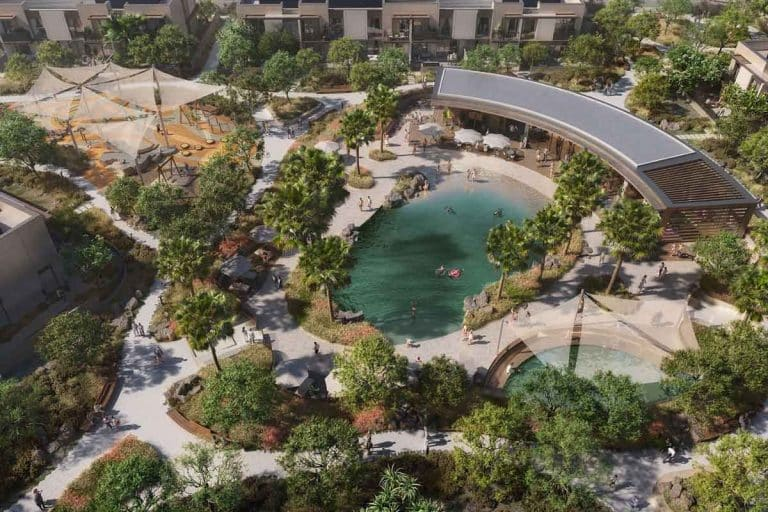
Dubai Hills Estate ($500,000-$5 million) offers 5-7% yields and 7-10% price growth, delivering a 6-8% ROI with wellness gardens and fitness trails. A $2 million villa yields $120,000-$168,000 tax-free, saving $54,000-$75,600. Selling for $2.2 million yields a $200,000 tax-free profit. No property taxes save $5,000-$50,000, and VAT exemption saves $25,000-$250,000. Maintenance fees are $5,000-$25,000. QFZP saves $10,800-$15,120. U.S. investors deduct depreciation ($9,091-$45,455), saving up to $15,909.
Dubai Hills Estate feels like a radiant, luxury cornerstone of wellness.
Sobha Hartland II ($400,000-$3 million) offers 6-8% yields and 7-10% price growth, delivering a 6-8% ROI with green rooftops and meditation zones. A $1 million villa yields $60,000-$80,000 tax-free, saving $22,200-$36,000. Selling for $1.1 million yields a $100,000 tax-free profit. No property taxes save $4,000-$30,000, and VAT exemption saves $20,000-$150,000. Maintenance fees are $4,000-$15,000. QFZP saves $5,400-$7,200. U.S. investors deduct depreciation ($7,273-$27,273), saving up to $9,545.
Sobha Hartland II feels like a vibrant, urban pillar of mindful living.
Damac Lagoons ($300,000-$2 million) offers 6-8% yields and 7-10% price growth, delivering a 6-8% ROI with community lagoons and yoga decks. A $600,000 villa yields $36,000-$48,000 tax-free, saving $13,320-$21,600. Selling for $660,000 yields a $60,000 tax-free profit. No property taxes save $3,000-$20,000, and VAT exemption saves $15,000-$100,000. Maintenance fees are $3,000-$10,000. QFZP saves $3,240-$4,320. U.S. investors deduct depreciation ($5,455-$18,182), saving up to $6,364.
Damac Lagoons feels like a radiant, accessible foundation for healthy living.
Price Range: Damac Lagoons ($300,000-$2 million) suits budget-conscious buyers; Sobha Hartland II ($400,000-$3 million) and Dubai Hills Estate ($500,000-$5 million) attract mid-to-high-tier investors.
Rental Yields: 6-8%, with Damac Lagoons and Sobha Hartland II at 6-8% for short-term rentals; Dubai Hills Estate at 5-7% for stable leases.
Price Appreciation: 7-10%, driven by wellness amenities, smart tech, and sustainable design.
Lifestyle: Wellness hubs, green spaces, and smart systems create vibrant, healthy communities.
Market Drivers: Golden Visas, tax-free income, and high occupancy fuel demand.
ROI Verdict: 6-8% ROI, blending wellness with strong financial rewards.
These communities feel like radiant pillars of Dubai’s thriving wellness market.
For individuals: Hold properties personally to avoid corporate taxes, saving $1,800-$22,500. Negotiate DLD fee splits, saving $6,000-$100,000. Use gift transfers to reduce DLD to 0.125%, saving $11,625-$193,750. Recover 5% VAT on developer fees via FTA registration ($500-$1,000). Leverage double taxation treaties with 130+ countries, saving $6,660-$112,500. U.S. investors deduct depreciation ($5,455-$45,455), saving up to $15,909. For corporates: Secure QFZP status, keep QIF income below 10%, and claim depreciation deductions. Hire property managers ($3,000-$25,000 annually) and tax professionals ($1,000-$3,000) to avoid fines up to $13,612.
These strategies feel like a roadmap to vibrant, prosperous wealth.
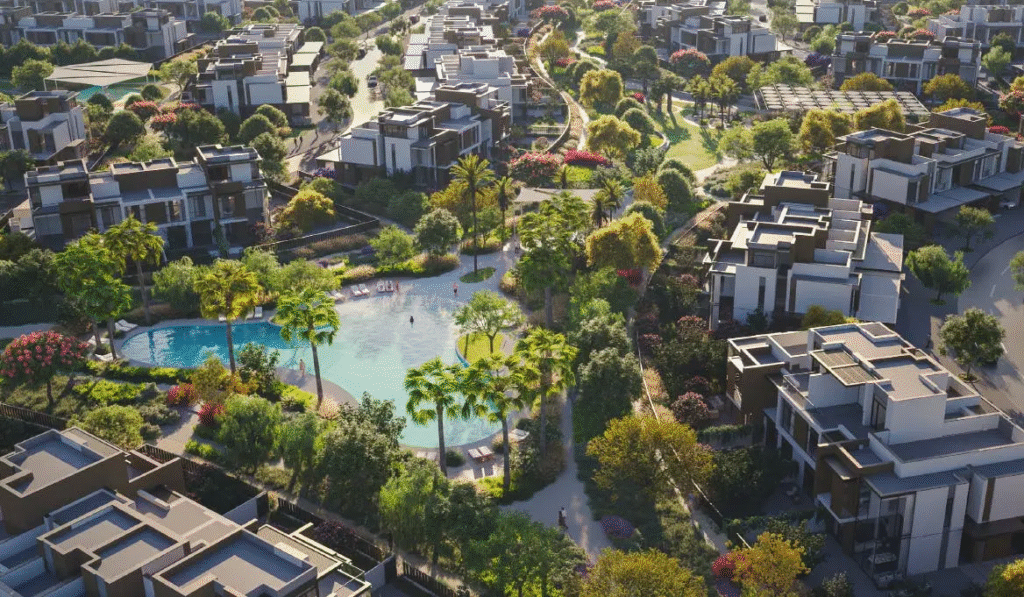
A projected oversupply of 182,000 units by 2026 may slightly slow price growth in newer Damac Lagoons phases, but Dubai Hills Estate and Sobha Hartland II remain resilient due to premium wellness demand. Off-plan delays risk setbacks, so choose trusted developers like Emaar or Sobha and verify escrow compliance via the 2025 Oqood system. Non-compliance with VAT or DTCM rules risks fines up to $13,612, and corporate tax errors can cost $13,612. Indian investors must report properties in India’s Foreign Asset schedule to avoid $135,000 penalties. Currency fluctuations, though minimal with the dollar peg, could impact returns.
With 6-8% ROI, 7-10% price growth, and tax-free savings of $3,000-$250,000 annually, Dubai’s healthy living spaces Dubai Hills Estate, Sobha Hartland II, and Damac Lagoons offer vibrant residences, cutting-edge amenities, and unmatched financial rewards. Golden Visa perks, 80-90% occupancy, and wellness-driven designs make them 2025’s top market drivers. Navigate fees, secure your radiant investment, and thrive in Dubai’s dynamic, health-conscious real estate market.
read more: Sustainable Lifestyle Homes Gaining Demand in Dubai Real Estate Market