Dubai real estate market enters 2026 with a sense of maturity that sets it apart from past boom-and-bust cycles. After years of rapid price growth, record transactions, and global attention, the market is no longer running purely on hype. Instead, it is shaped by steady demand, targeted cooling in certain segments, and a visible shift toward technology-led decision-making.
For buyers, investors, and end-users alike, 2026 is less about rushing in and more about choosing wisely. Dubai is evolving from a fast-moving opportunity market into a structured, data-driven, and experience-focused real estate ecosystem.
Dubai’s real estate story in 2026 is not about dramatic surges or sudden drops. It is about balance. Demand remains strong, supported by population growth, business expansion, and the city’s continued appeal to global talent. At the same time, price growth is slowing in select areas, creating healthier conditions for long-term stability.
This balance is a sign of progress. A market that can cool selectively without collapsing shows resilience. It also reflects more informed buyers, stricter regulations, and developers who are increasingly aligned with real demand rather than speculation.
Dubai’s population growth remains one of the strongest fundamentals supporting real estate in 2026. Professionals, entrepreneurs, retirees, and remote workers continue to choose the city for its lifestyle, safety, tax advantages, and global connectivity.
This steady inflow translates directly into housing demand, especially for mid-range apartments, family villas, and well-managed rental communities. Unlike earlier cycles driven by short-term investors, today’s demand is increasingly end-user-led, making it more stable and predictable.
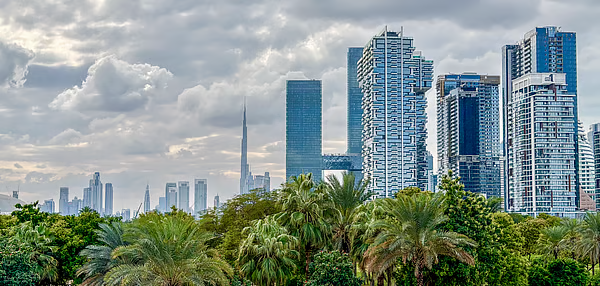
Residential real estate remains the backbone of Dubai’s property market in 2026. However, buyer behavior has clearly changed. Decisions are more research-based, expectations are higher, and value matters more than hype.
Apartments continue to see strong demand, particularly in well-connected, lifestyle-oriented communities. However, price growth has slowed in areas where supply has increased rapidly.
Buyers are now comparing layouts, build quality, service charges, and long-term livability rather than just price per square foot. Projects with smart layouts, good amenities, and proximity to work hubs are performing better than generic offerings.
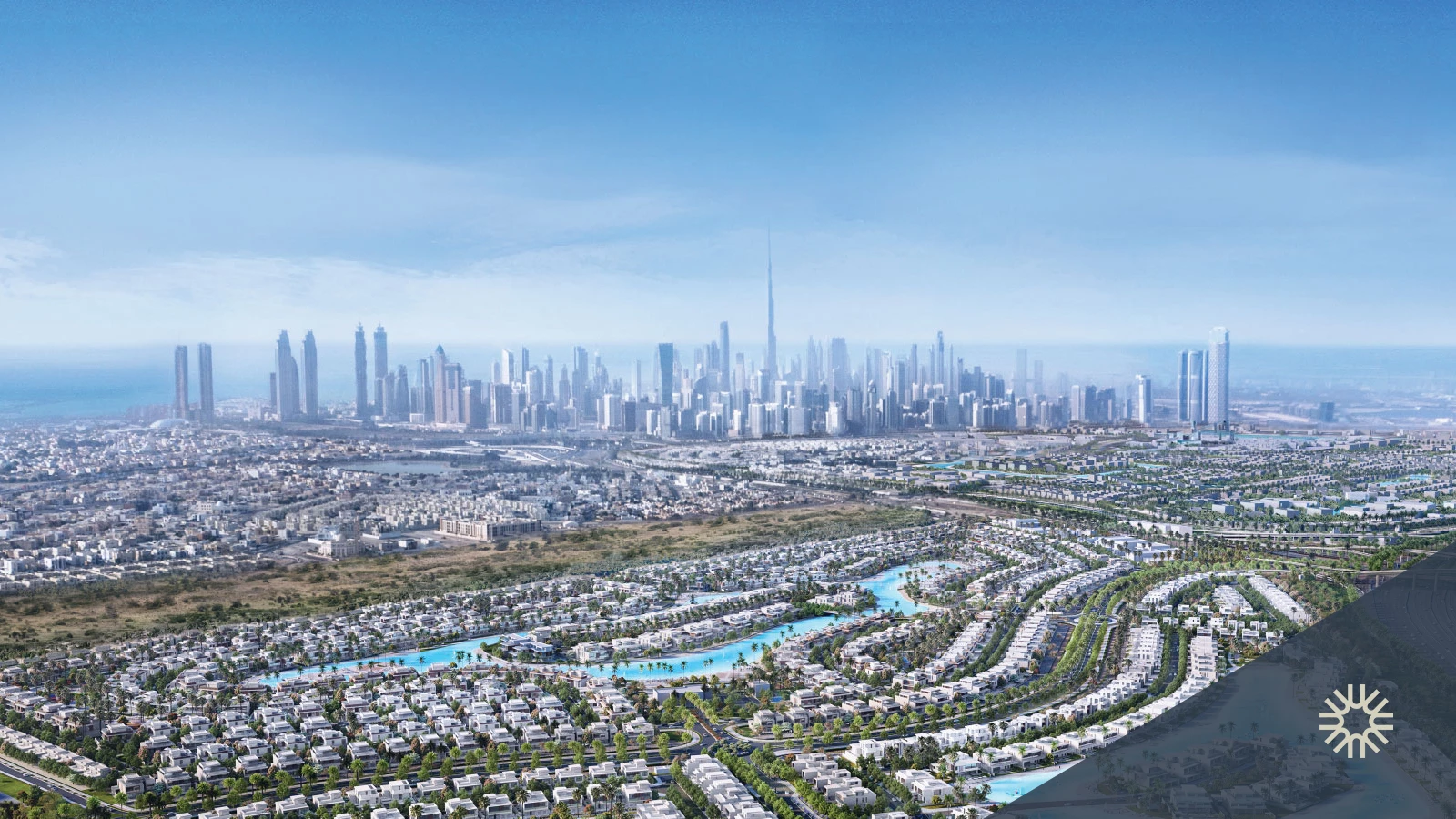
Villa and townhouse communities remain highly attractive in 2026, especially among families relocating to Dubai or upgrading within the city. Space, privacy, and community living are key drivers.
While ultra-luxury villas have seen selective cooling due to high ticket sizes, mid-range and premium family homes continue to enjoy healthy demand. Buyers are looking for practical designs, green spaces, and community facilities rather than pure size.
The rental market remains strong in 2026, supported by population growth and limited affordability for immediate homeownership among new arrivals. Rents have largely stabilized after sharp increases in previous years, but demand remains consistent.
Tenants are now more selective. Well-maintained units, responsive property management, and flexible payment options are increasingly important. Landlords who invest in upkeep and tenant experience are seeing better retention and fewer vacancies.
Dubai’s luxury real estate segment continues to attract global attention, but the tone has changed. In 2026, luxury buyers are less speculative and more lifestyle-focused.
High-net-worth individuals are choosing Dubai not just for returns, but for long-term living, wealth preservation, and quality of life. This shift has led to selective cooling in over-priced ultra-luxury projects, while genuinely unique, well-located developments continue to perform well.
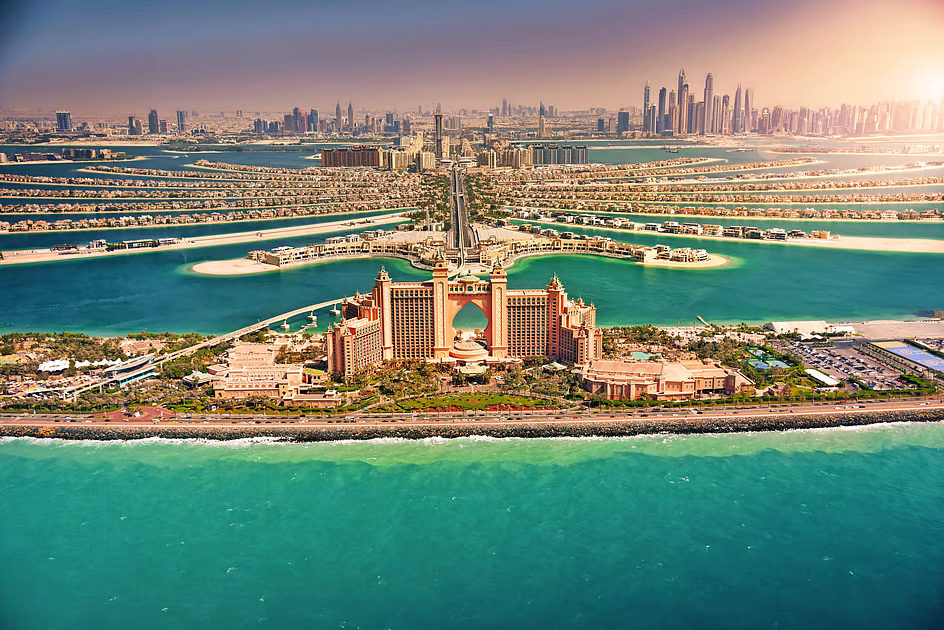
Branded residences and waterfront properties remain among the strongest performers in the luxury segment. Buyers value brand credibility, service standards, and long-term appeal.
However, even in this segment, pricing realism matters. Projects that align pricing with actual lifestyle value are outperforming those relying solely on brand names or aggressive marketing.
Commercial real estate in Dubai often receives less attention than residential, but 2026 shows steady strength across office, retail, and mixed-use developments.
Office demand in 2026 is driven by business expansion, new company registrations, and regional headquarters moving to Dubai. However, demand is concentrated in high-quality, well-located buildings.
Businesses are prioritizing flexible layouts, sustainability features, and smart building systems. Older office stock without upgrades is facing pressure, while modern spaces are enjoying strong occupancy.
Retail real estate continues to evolve. Traditional retail faces challenges, but experience-driven destinations are thriving. Malls and high-street areas that combine dining, entertainment, and community experiences are outperforming pure shopping spaces.
Developers and landlords are rethinking retail layouts to match changing consumer behavior, blending physical and digital experiences.
One of the most talked-about aspects of Dubai’s real estate outlook in 2026 is selective cooling. This does not mean a market downturn. It means that not all areas and segments are moving at the same pace.
Projects with excessive supply, weak locations, or unrealistic pricing are seeing slower sales and price stabilization. In contrast, well-planned communities, infrastructure-backed locations, and genuinely differentiated developments continue to see strong interest.
This selective cooling is healthy. It encourages better planning, discourages speculation, and rewards quality and transparency.
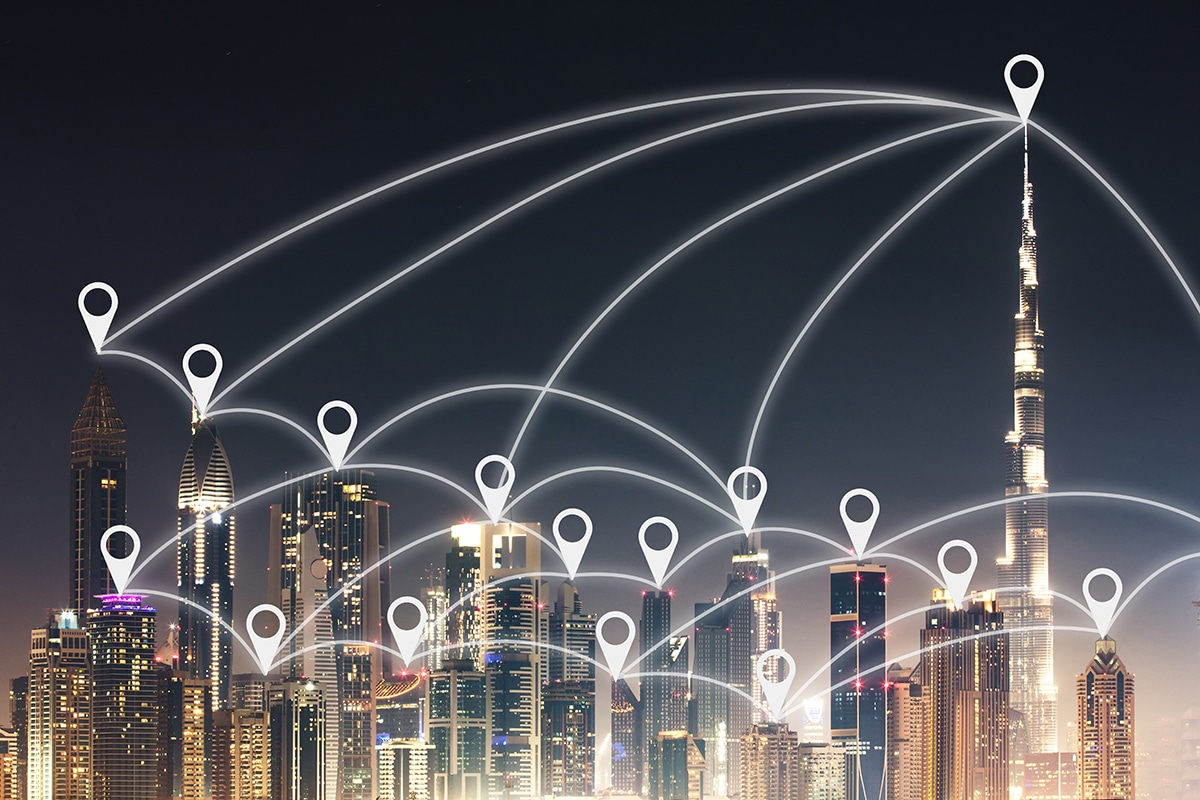
Perhaps the most defining shift in Dubai’s real estate market in 2026 is the growing role of technology. From how properties are marketed to how decisions are made, technology is reshaping the entire value chain.
Buyers and investors now rely heavily on data. Price trends, rental yields, transaction volumes, and community performance metrics are more accessible than ever.
This transparency reduces emotional buying and supports informed decisions. Developers and brokers who use data effectively are gaining trust and credibility in an increasingly competitive market.
Virtual tours, 3D walkthroughs, and AI-powered property matching are becoming standard. Buyers can shortlist properties remotely, compare options quickly, and focus physical visits only on serious choices.
This shift is especially important for international buyers, who form a significant portion of Dubai’s market. Technology is reducing friction and making cross-border transactions smoother.
Technology is no longer just about transactions. It is also embedded in the homes themselves. Smart home features, energy efficiency, and sustainability are increasingly influencing buyer preferences.
In 2026, properties that integrate smart systems, sustainable materials, and efficient designs are seen as future-ready investments rather than optional upgrades.
Developers in 2026 are more cautious and strategic. Instead of flooding the market with launches, many are focusing on phased developments, realistic pricing, and long-term community building.
This shift benefits buyers. Project timelines are clearer, quality control has improved, and after-sales service is receiving more attention. Developers understand that reputation matters more than ever in a transparent, tech-enabled market.
For investors, Dubai real estate in 2026 offers a different proposition than previous cycles. Returns are still attractive, but they come with reduced volatility and a stronger focus on fundamentals.
Rental yields remain competitive compared to global cities, especially in mid-range residential segments. Capital appreciation is more gradual, favoring long-term holding strategies over quick flips.
This environment attracts institutional investors and serious long-term players, further stabilizing the market.
In a selective market, location quality is critical. Proximity to transport, employment hubs, schools, and lifestyle amenities plays a major role in long-term value.
Bigger is not always better. Thoughtful layouts, build quality, and community management often outperform larger but poorly designed units.
Using data, digital tools, and professional advice can significantly improve decision-making. The days of purely emotional buying are fading.
Dubai’s real estate outlook for 2026 is defined by confidence rather than frenzy. Steady demand supports the market, selective cooling keeps it grounded, and technology pushes it toward greater transparency and efficiency.
This is not a market driven by fear of missing out, but by informed choice. For those willing to understand the nuances, Dubai in 2026 offers a real estate environment that is balanced, resilient, and increasingly future-ready.
The story ahead is not about chasing the next spike, but about building sustainable value in one of the world’s most dynamic cities.
Do Follow Estate Magazine on Instagram
Read More:- UAE Property Boom Sparks Strong FOMO, Buyers Rush Confidently 2026