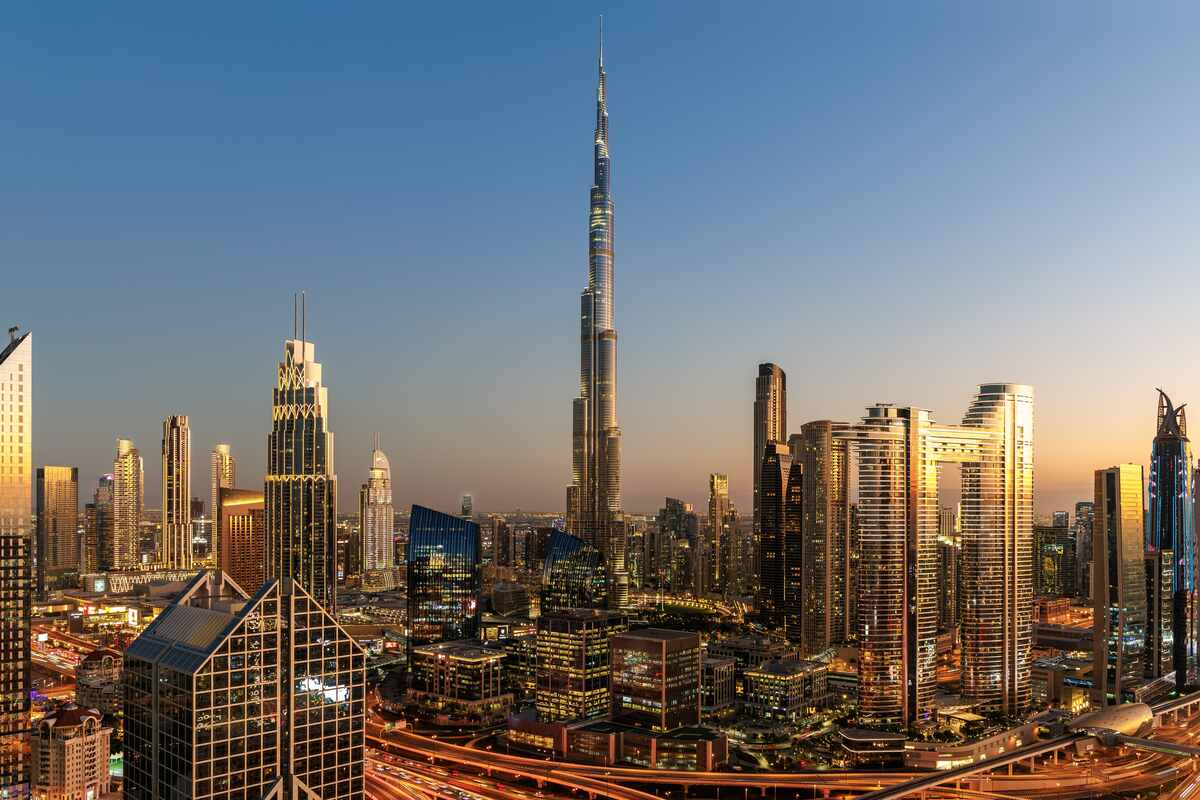
Dubai’s real estate market, valued at AED 761 billion ($207 billion) with 226,000 transactions in 2024, continues its robust growth in 2025, driven by a 6.2% GDP forecast and a population of 3.92 million, per deloitte.com and consultancy-me.com.
Despite its tax-free status on property ownership and capital gains, investors must navigate transfer fees, VAT, and potential global tax implications, which influence returns. With a 20% price increase and 19% rental growth in 2024, the market offers 5-10% yields and 5-25% capital gains, per economymiddleeast.com.
Below are five investor insights on post-tax market growth in 2025, focusing on strategies, risks, and compliance with the Dubai Land Department (DLD) and Federal Tax Authority (FTA).
Insight: Dubai’s zero property and capital gains taxes maximize returns, with gross rental yields of 5-10% in prime areas like Dubai Marina (8-10%) and JVC (7-9%), per novviproperties.com. Investors can enhance post-tax ROI by targeting high-demand zones with strong rental and appreciation potential.
Details: Properties in Dubai Marina (apartments from AED 1.5 million, $408,200) yield AED 150,000/year, while JVC (apartments from AED 550,000, $149,700) yield AED 49,500/year, per colife.ae. Capital gains of 8-12% are projected by 2026 in prime areas, per damacproperties.com. A 4% DLD transfer fee (split between buyer and seller) applies, typically AED 60,000 for a AED 1.5 million property, per forbes.com.
Strategy: Focus on short-term rental zones like Downtown Dubai or emerging areas like Dubai South for higher yields (8-11%) and Golden Visa eligibility (AED 2 million investment), per pangeadubai.com. Use PropTech platforms like DLD’s Smart Rental Index for pricing insights, per gulfbusiness.com.
Compliance: Pay the 4% DLD transfer fee upon purchase. Register Sales Purchase Agreements (SPAs) via Ejari. Retain records for FTA audits, per taxvisor.ae.
Insight: While residential properties are VAT-exempt, commercial properties and short-term rentals (under 6 months) incur a 5% VAT, recoverable for VAT-registered investors, per fintedu.com. This impacts ROI calculations for investors in Business Bay or DIFC.
Details: A AED 1.2 million commercial unit in Business Bay yields 7-9% (AED 108,000/year) but incurs 5% VAT on rental income (AED 5,400/year), recoverable via FTA input tax credit, per taxvisor.ae. Short-term rentals in Dubai Marina face similar VAT, but high occupancy (78% in 2024) ensures strong returns, per uniqueproperties.ae. Total commercial transactions rose 22% in 2024, per engelvoelkers.com.
Strategy: Register for VAT with FTA to recover input tax on commercial expenses (e.g., AED 25,000 on AED 500,000). Target high-traffic zones like DIFC for stable commercial demand, per forbes.com. Use AI-driven pricing tools for short-term rentals to optimize revenue, per smarthost.co.uk.
Compliance: Obtain a DLD holiday home permit (AED 1,500/year) for short-term rentals. File VAT returns quarterly with FTA. Ensure AML/KYC compliance, per gtlaw.com.
Insight: Foreign investors, especially from high-tax jurisdictions, benefit from Dubai’s tax-free status but must account for home country taxes on rental income or capital gains, per immigrantinvest.com. The U.S.-UAE Double Taxation Agreement (DTA) allows tax credits to offset U.S. liabilities.
Details: A U.S. investor with a AED 2 million ($545,000) property in Palm Jumeirah earning AED 180,000/year in rent faces U.S. taxes but can claim credits via IRS Form 1118, preserving 10-15% net returns, per immigrantinvest.com. Capital gains of 8-10% by 2026 remain tax-free in Dubai, per damacproperties.com. Foreign investment rose 20% in 2024, per dmo.dof.gov.ae.
Strategy: Consult tax advisors to leverage DTAs and minimize global tax burdens. Invest in luxury areas like Palm Jumeirah or Emirates Hills for high-net-worth appeal and Golden Visa eligibility, per knightfrank.com.
Compliance: Retain DLD-registered SPAs and lease agreements for tax reporting in home countries. Ensure compliance with DLD’s foreign ownership rules in freehold zones, per dubailand.gov.ae.
Insight: Off-plan properties, accounting for 60.6% of 2024 transactions, offer lower entry prices and flexible payment plans (e.g., 60/40 over 3-5 years), reducing upfront capital and tax burdens, per globalpropertyguide.com. These enhance post-tax ROI in high-growth areas.
Details: A AED 1 million off-plan apartment in Dubai Creek Harbour yields 6-8% (AED 80,000/year) and 8-12% capital gains by handover (Q3 2027), per properties.emaar.com. The 4% DLD transfer fee (AED 40,000) is deferred until completion, per forbes.com. Off-plan transaction value reached AED 228.03 billion in 2024, per globalpropertyguide.com.
Strategy: Target off-plan projects in Dubai Hills Estate or Emaar South for affordability and high ROI potential (6-8% yields), per tencohomes.com. Use DLD’s Real Estate Tokenization Project for secure transactions, per pangeadubai.com.
Compliance: Verify DLD-approved escrow accounts. Register SPAs with a 10% deposit via Ejari. Retain records for FTA audits, per dubailand.gov.ae.
Insight: With 76,000 new units expected in 2025 and 182,000 by 2026, oversupply may lead to a 15% price correction in H2 2025, per colife.ae and timesofindia.indiatimes.com. Strategic investments in niche markets mitigate post-tax return risks.
Details: Luxury areas like Downtown Dubai and Palm Jumeirah are less affected, with 20% price growth in 2024 and 5-8% projected for 2025, per economymiddleeast.com. Affordable areas like JVC and Al Furjan face higher correction risks but offer 7-11% yields, per novviproperties.com. Total transaction value hit AED 66.8 billion in May 2025, per zawya.com.
Strategy: Diversify into eco-friendly or waterfront properties (e.g., Dubai Creek Harbour, Bluewaters Island), which retain value better (35% of transactions by 2025), per economymiddleeast.com. Partner with reputable developers like DAMAC for quality assurance, per damacproperties.com.
Compliance: Conduct due diligence via DLD’s portal for developer reliability. Register SPAs and title deeds via Ejari. Retain records for FTA audits, per taxvisor.ae.
Dubai’s 2025 market, with a 30% transaction growth in 2024 and AED 66.8 billion in May 2025 sales, is driven by investor-friendly policies, zero taxes, and infrastructure like Al Maktoum Airport, per zawya.com and pangeadubai.com.
Posts on X highlight high yields (8-9%) and tax-free benefits compared to markets like the UK, per @JamesHSahota and @ELREDubai.
However, oversupply (76,000 units in 2025) and rising interest rates (4.4-6.25%) pose risks, mitigated by high occupancy (95-97%) and PropTech innovations like DLD’s blockchain platform, per dmo.dof.gov.ae. The Golden Visa and tourism growth (19 million visitors in 2024) sustain demand, per gulfnews.com.
U.S.-UAE DTA: Use IRS Form 1118 to credit UAE taxes, preserving 10-15% returns, per immigrantinvest.com.
Zakat for Muslim Investors: Pay 2.5% Zakat on rental income (e.g., AED 2,500 on AED 100,000). Consult Islamic scholars, per taxvisor.ae.
VAT Recovery: Recover 5% input VAT on commercial expenses (e.g., AED 25,000 on AED 500,000) for VAT-registered investors, per fintedu.com.
Dubai’s 5-6% GDP growth and 42,000 Q1 2025 transactions (AED 114.4 billion) signal resilience, per pangeadubai.com. Post-tax growth is supported by 5-8% price appreciation and 7-10% yields, per damacproperties.com. Risks include global economic uncertainties and oversupply, offset by RERA’s escrow protections and DLD’s digital transparency, per hausandhaus.com. Strategic investments in prime and emerging areas ensure robust post-tax returns.
Dubai’s 2025 real estate market offers strong post-tax growth through tax-free returns, VAT recovery, off-plan opportunities, and niche investments. With 5-10% yields and 5-25% capital gains, investors can maximize ROI by targeting high-demand zones and mitigating oversupply risks. Compliance with DLD and FTA ensures secure, high-return investments in a dynamic market. investors on post tax
read more: Dubai Real Estate: 6 Short-Term Rental Zones With High Profit Margins in 2025