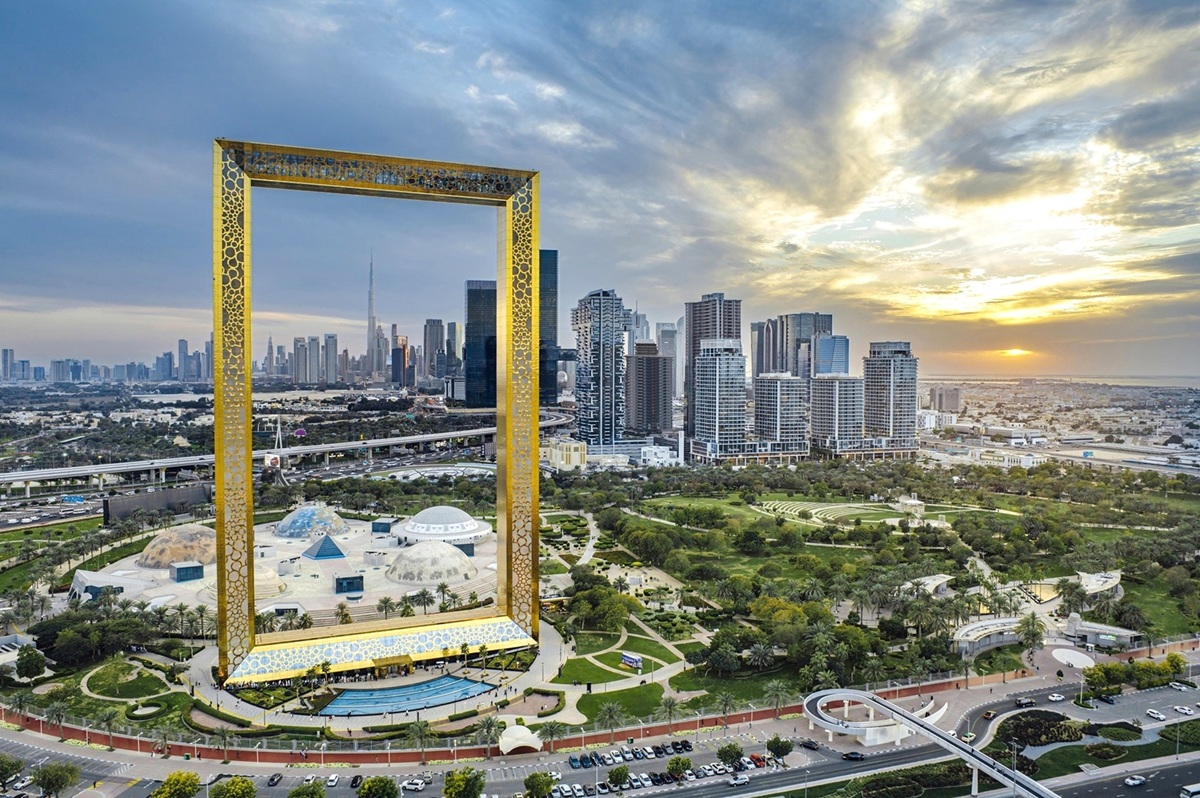
Dubai’s real estate market has never been just about buildings. It is about vision, ambition, and the confidence of a city that plans years ahead. As the emirate moves steadily toward 2026, investors across the globe are once again turning their attention to Dubai property, not for short-term speculation, but for sustainable growth, lifestyle value, and long-term security.
From strong economic fundamentals to progressive regulations and an unmatched global lifestyle appeal, Dubai’s real estate sector is positioned for continued expansion. For investors, this period presents both opportunity and responsibility: understanding what is driving growth, where demand is heading, and how to align investment strategies with the city’s future direction.
Dubai has proven its ability to adapt during global uncertainty. Economic slowdowns, interest rate cycles, and geopolitical shifts have tested markets worldwide, yet Dubai real estate has consistently shown resilience.
One key reason is diversification. The city’s economy is no longer dependent on a single sector. Tourism, trade, finance, technology, logistics, and creative industries all contribute to steady population inflows and housing demand. This balanced economic base helps protect property values even during challenging times.
Another factor is confidence. Investors trust Dubai because policies are transparent, regulations are investor-friendly, and the government actively supports growth rather than reacting to crises.
Dubai’s population continues to grow, driven by professionals, entrepreneurs, retirees, and high-net-worth individuals relocating for lifestyle and opportunity.
Dubai attracts people who are not just looking for jobs, but for a better quality of life. Safety, infrastructure, healthcare, education, and tax efficiency all play major roles. As more people choose Dubai as a long-term base rather than a temporary destination, housing demand becomes more stable and predictable.
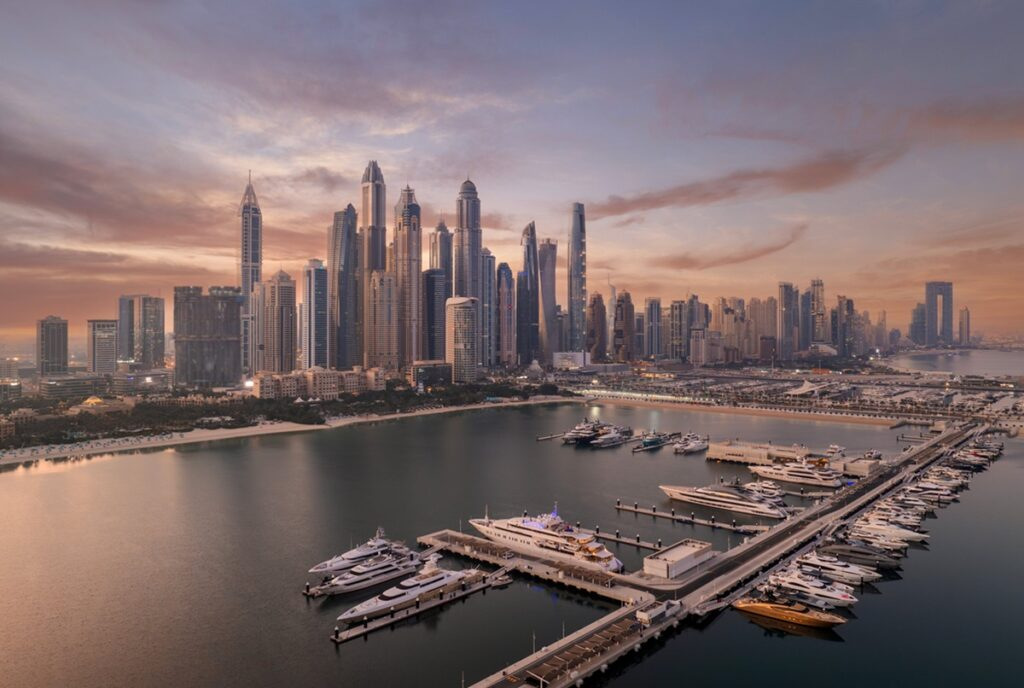
Golden visas, retirement visas, and long-term residency options have changed how people view property ownership. Buyers are no longer thinking in five-year cycles. Many are planning for decades, which supports price stability and encourages investment in higher-quality developments.
Dubai’s leadership understands that real estate thrives best under clear rules and long-term planning.
Property ownership laws, escrow account systems, and digital transaction processes have created transparency and trust. Investors know where their money is going, how projects are monitored, and what rights they hold as owners.
This confidence attracts both institutional investors and individual buyers, creating a balanced market with healthy liquidity.
Dubai does not grow randomly. Master-planned communities, mixed-use developments, and infrastructure-led expansion ensure that new supply is aligned with real demand. This approach reduces oversupply risk and helps maintain long-term value across districts.
Dubai’s infrastructure is one of its strongest real estate drivers. Roads, public transport, airports, ports, and digital connectivity all play a direct role in shaping property demand.
Expanded metro lines, upgraded highways, and smart mobility initiatives are opening up new areas for residential and commercial development. Locations that were once considered secondary are now becoming attractive investment zones due to improved accessibility.
From waterfront promenades to green spaces and cultural hubs, Dubai continues to invest in livability. These features directly impact rental demand, resale value, and long-term appreciation.
For investors focused on income, Dubai’s rental market remains one of the strongest globally.
Compared to major global cities, Dubai continues to offer attractive rental yields. This is especially appealing in a world where many markets struggle to balance affordability with investor returns.
Demand for rentals is supported by population growth, job creation, and lifestyle migration, ensuring steady occupancy levels across most property segments.
Dubai’s tenant base includes young professionals, families, entrepreneurs, and corporate tenants. This diversity reduces dependency on a single demographic and makes rental income more resilient to economic cycles.
As Dubai grows, investment opportunities are spreading beyond traditional prime locations.
Well-known communities continue to benefit from upgrades, new amenities, and improved connectivity. These areas often appeal to end-users, providing stable long-term appreciation rather than short-term price spikes.
New districts designed around sustainability, mixed-use living, and smart city principles are gaining investor attention. Early entry into such areas often offers better value and stronger appreciation potential by 2026.
Modern buyers are increasingly conscious of how and where they live. Dubai’s real estate sector is responding accordingly.
Sustainable design is no longer a niche concept. Energy-efficient buildings, water-saving technologies, and environmentally responsible construction are becoming standard expectations. Properties that meet these criteria are likely to outperform in terms of demand and value retention.
Technology-enabled homes, smart community management, and digital services are attracting tech-savvy residents. These features enhance convenience, security, and operational efficiency, making properties more attractive to both tenants and buyers.
While residential real estate often takes the spotlight, commercial and mixed-use developments are also key to Dubai’s growth story.
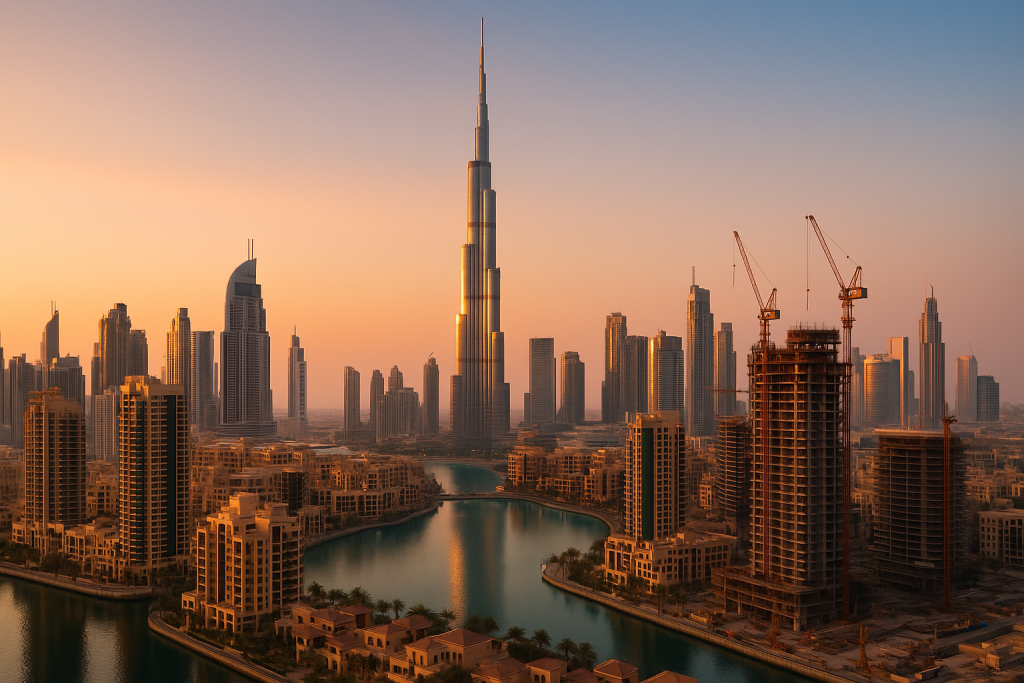
Flexible workspaces, premium offices, and innovation hubs are reshaping the commercial landscape. Companies relocating to Dubai are seeking quality spaces that reflect their brand and support employee wellbeing.
Mixed-use developments that combine residential, retail, hospitality, and office spaces are increasingly popular. They offer convenience, reduce commute times, and create vibrant neighborhoods that support higher property values.
While the outlook is positive, smart investing requires careful planning.
Dubai rewards investors who think long-term. Short-term market movements may occur, but the city’s real strength lies in its strategic vision and consistent execution.
Quality matters. Established developers with strong track records and well-planned locations tend to deliver better outcomes in terms of construction quality, community management, and resale value.
Some investors prioritize rental income, while others focus on capital appreciation or lifestyle use. Understanding personal goals helps in selecting the right property type, size, and location.
Every market carries risk, and Dubai is no exception.
Interest rate changes, global economic conditions, and supply cycles can influence short-term performance. However, Dubai’s proactive governance and adaptive policies often help mitigate these risks more effectively than in many other markets.
The key is informed decision-making rather than speculative buying.
What truly sets Dubai apart is not just return on investment, but return on lifestyle.
Investors are buying into a city that offers safety, global connectivity, cultural diversity, and a future-focused mindset. This emotional and experiential value is difficult to quantify, yet it plays a powerful role in sustaining demand.
As 2026 approaches, Dubai continues to position itself not merely as a real estate market, but as a long-term home for global citizens and capital alike.
Dubai’s real estate market is set for steady and meaningful growth through 2026, supported by strong fundamentals, forward-thinking policies, and a clear vision for the future.
For investors willing to look beyond short-term fluctuations and focus on quality, planning, and purpose, Dubai offers more than just property ownership. It offers participation in one of the world’s most dynamic urban success stories.
The opportunity is not just in buying real estate, but in understanding where Dubai is headed and growing alongside it.
Do Follow Estate Magazine on Instagram
Read More:- Dubai Dominates Future Wealth With Regulated Crypto Property Investments 2025