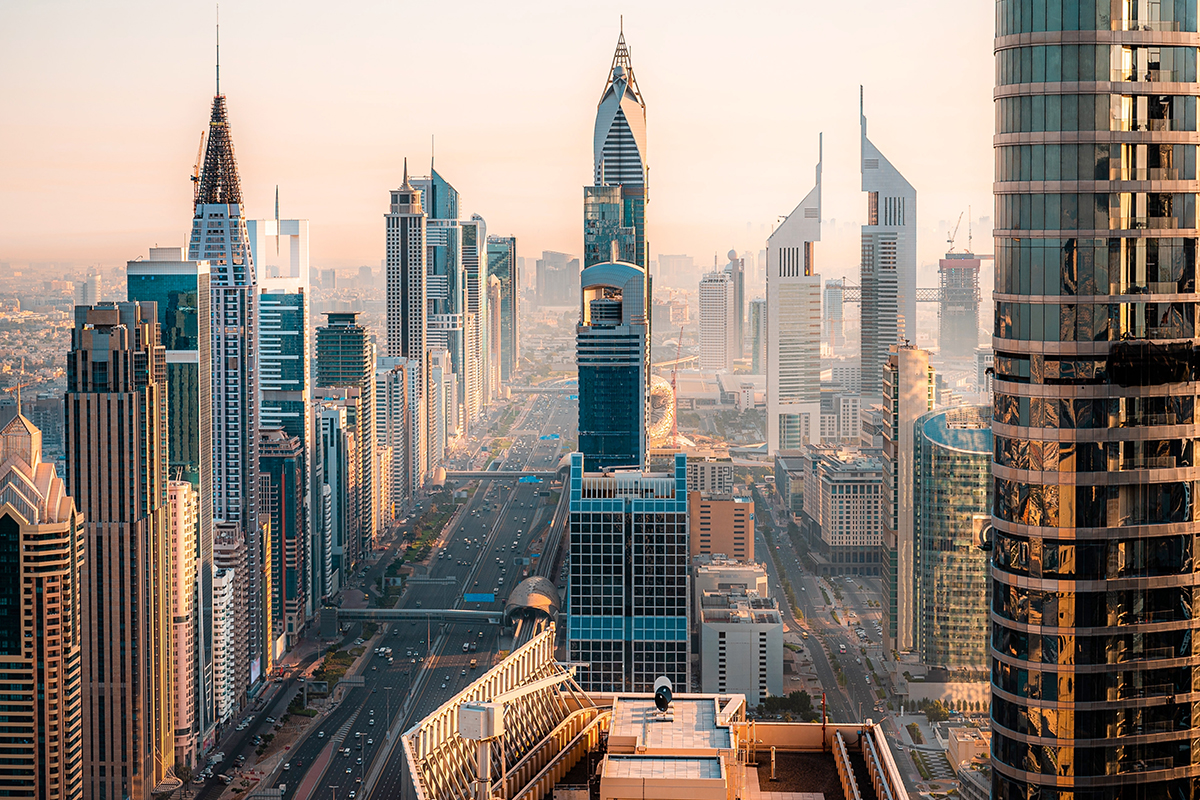
The conversation around Dubai property has shifted from cautious optimism to confident momentum. Buyers, investors, and end-users alike are reassessing their strategies as demand continues to outpace expectations. The question many are asking is not whether Dubai real estate remains attractive, but whether the current cycle still offers room for smart entry.
Driven by lifestyle appeal, investor-friendly regulations, and global capital inflows, the market is evolving rapidly. However, beneath the headline numbers lie critical factors that buyers must evaluate carefully: location, asset type, buyer profile, and the timing of future supply.
Dubai has firmly positioned itself as more than a regional property market. It is a lifestyle-driven global hub that attracts entrepreneurs, high-income professionals, remote workers, and ultra-high-net-worth individuals seeking stability, luxury, and long-term value.
The city’s appeal goes beyond tax advantages. World-class infrastructure, safety, climate-controlled living, international schools, and a strong hospitality culture continue to fuel residential demand. This lifestyle pull has translated into sustained absorption across both rental and ownership markets, pushing prices upward while maintaining strong occupancy levels.
Property demand in Dubai has reached historic levels, supported by both local end-users and international investors. Transaction volumes and total sales value have exceeded previous benchmarks, reflecting not only higher prices but also deeper market participation.
Unlike past cycles driven primarily by speculative buying, current demand is more diversified. End-users seeking long-term residence now form a larger share of buyers, reducing volatility and increasing market resilience. Investors, meanwhile, are increasingly yield-focused, drawn by attractive rental returns and capital appreciation potential.
This balance between lifestyle buyers and income-driven investors has created a healthier market structure, particularly in established communities.
One of the most defining trends shaping the market is the rise of the villa segment. Buyers are prioritising space, privacy, and community living, preferences that were accelerated by global lifestyle shifts and remain firmly in place.
Villas in master-planned communities have seen stronger price growth than apartments, with limited ready supply adding upward pressure. For families and high-income professionals, villas are no longer viewed as aspirational upgrades but as primary residences.
This momentum has encouraged developers to announce new villa projects, but construction timelines mean supply relief will be gradual. In the short to medium term, well-located villas are likely to remain undersupplied, supporting prices and rental growth.
While villas enjoy strong tailwinds, the apartment segment presents a more nuanced picture. Prime and waterfront apartments continue to perform well, particularly in areas with strong lifestyle and rental appeal. However, secondary locations face increasing competition from upcoming supply.
Off-plan apartment launches have increased significantly, raising concerns about oversupply in certain submarkets. Buyers need to differentiate carefully between locations with genuine end-user demand and those driven primarily by speculative launches.
Apartments aligned with transport connectivity, employment hubs, and lifestyle amenities are better positioned to absorb new supply. In contrast, generic developments without clear differentiation may experience pricing pressure once handovers accelerate.
In Dubai real estate, location has never been more critical. As the market matures, price performance is increasingly tied to community quality rather than citywide trends.
Established neighborhoods with proven infrastructure, schools, retail, and healthcare continue to outperform newer districts. Buyers are placing greater emphasis on walkability, green spaces, and long-term livability, not just headline prices.
For investors, location-driven rental demand is essential. Properties in well-connected areas with limited future land availability are more likely to sustain yields and capital growth, even if overall market conditions soften.
Understanding who is buying in Dubai today is key to assessing future performance. The buyer base has broadened to include long-term residents, global entrepreneurs, family offices, and international retirees.
These buyers are less sensitive to short-term price fluctuations and more focused on quality, security, and lifestyle. Their presence reduces speculative risk and supports price stability, especially in premium segments.
At the same time, first-time buyers and mid-income residents remain active, supported by flexible payment plans and mortgage accessibility. This multi-layered demand structure strengthens market fundamentals and reduces reliance on any single buyer category.
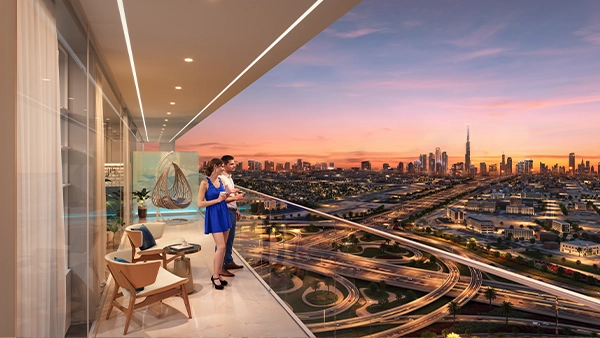
Supply timing is one of the most critical variables influencing whether now is a good time to buy. While new project announcements are rising, actual completions are staggered and spread over several years.
This phased delivery helps prevent sudden market saturation, but buyers must still assess the pipeline within specific communities. Areas with heavy handover schedules may experience temporary pricing or rental pressure, particularly in the apartment segment.
Conversely, communities with controlled supply and high owner-occupier ratios are better insulated from volatility. Strategic buyers should focus less on citywide supply numbers and more on micro-market dynamics.
For investors considering entry, Dubai continues to offer compelling fundamentals. Rental yields remain competitive compared to global cities, and long-term population growth supports sustained housing demand.
However, success increasingly depends on disciplined selection. Choosing the right asset type, community, and developer matters more than timing the market perfectly. Properties aligned with genuine end-user demand are more likely to perform consistently across cycles.
Villas and townhouses in family-oriented communities appear particularly well-positioned, while selective apartment investments in prime locations can still deliver strong returns.
Whether it is a good time to buy property in Dubai depends largely on buyer intent and strategy. For end-users seeking long-term residence, current conditions offer strong lifestyle value and long-term confidence. For investors, opportunities remain attractive, provided decisions are data-driven and location-focused.
The market is no longer about buying anything and expecting returns. It is about understanding where demand will remain resilient as supply evolves. Buyers who prioritise quality, location, and long-term fundamentals are best placed to benefit from Dubai’s next phase of growth.
As Dubai continues to mature as a global real estate destination, informed buyers who act with clarity rather than urgency are likely to find that the opportunity is not gone, but simply more selective.
Do follow Estate Magazine on Instagram
Read More:- Will Dubai Rents Ease in 2026? A Guide for Tenants and Landlords