
Renting a home in Dubai often comes with negotiations, paperwork, and sometimes pressure from landlords. One of the most common concerns tenants face today is whether a landlord can increase the rent simply because the tenant refuses to pay rent in fewer cheques. Many tenants feel unsure, anxious, or even forced into agreeing just to avoid conflict or eviction.
This article breaks down the reality of tenant rights in Dubai in a clear, human and practical way. If you are renting or planning to renew your tenancy contract, understanding these rules can help you stand your ground confidently and lawfully.
Dubai has a well-structured rental framework designed to balance the rights of both tenants and landlords. While landlords own the property, tenants are protected by laws that prevent sudden, unfair, or arbitrary changes to rental terms.
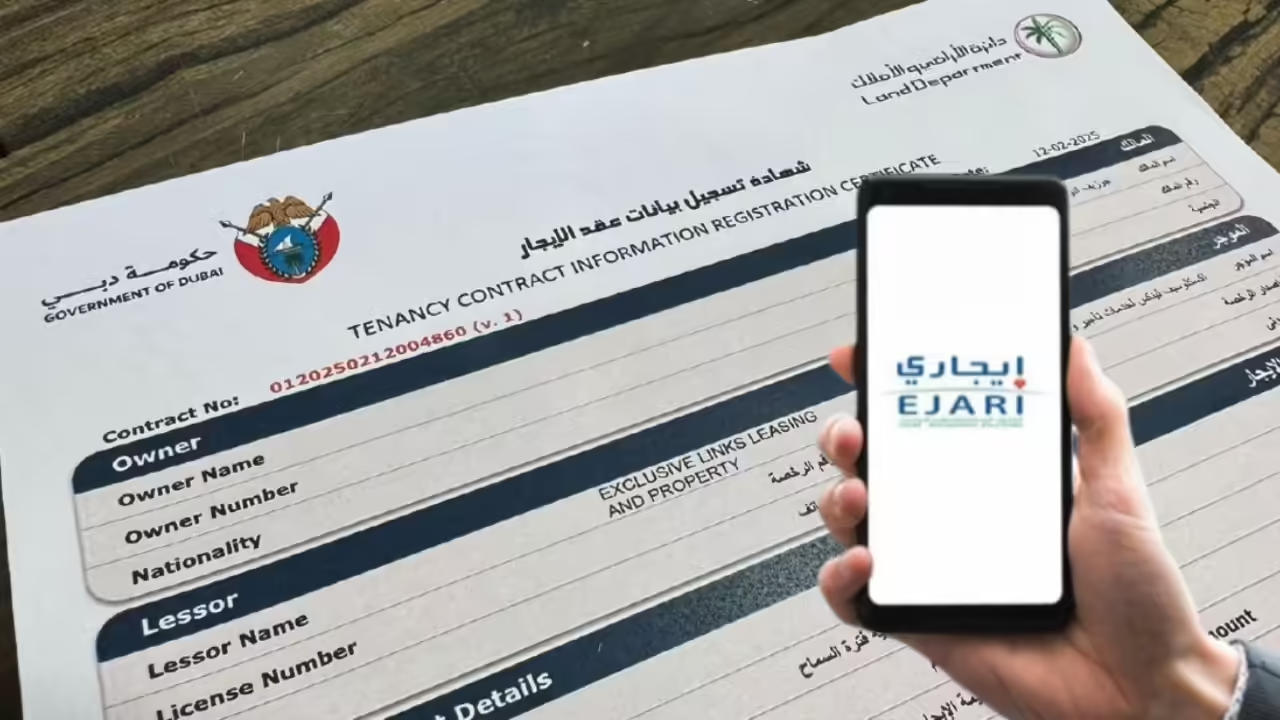
A tenancy contract is a legally binding agreement. Once signed, neither party can change its conditions unless both sides agree. This principle is central to understanding rent increases and payment terms such as the number of cheques.

A tenancy contract clearly states the rent amount, duration, and payment method, including how many cheques the rent will be paid in. Once both parties sign the contract, these terms cannot be altered unilaterally.
If your current contract states four or six cheques, the landlord cannot force you to shift to one or two cheques during renewal unless you agree. Payment frequency is a contractual term, not a landlord’s personal preference.
This is where confusion often arises. The simple answer is no, a landlord cannot legally increase the rent just because a tenant refuses to pay in fewer cheques, as long as the rent increase does not follow official guidelines.
Rent increases in Dubai are regulated. They must fall within permitted limits and follow proper notice requirements. Linking a rent hike solely to cheque count is not a lawful reason.
Any rent increase must align with the official rental index and guidelines. A landlord cannot decide an arbitrary increase based on personal conditions such as cheque frequency, payment convenience, or internal financial needs.
Even if a landlord claims that fewer cheques are “market practice,” this does not override legal protections. Market trends do not replace law.
Landlords must provide written notice of any changes to the tenancy contract at least 90 days before the contract expiry, unless the contract states otherwise.
If the landlord fails to give proper notice, the tenant has the right to renew the contract on the same terms, including rent amount and number of cheques.
Many tenants unknowingly mix these two concepts. Rent amount and payment method are separate contractual terms. A landlord may request fewer cheques, but a tenant has the right to refuse.
Refusing fewer cheques does not automatically justify a rent increase. Any increase must still follow the legal framework, regardless of payment preferences.
Yes, this is allowed. A landlord may offer an incentive or discount if the tenant agrees to fewer cheques. This is a voluntary negotiation, not a legal obligation.
The key difference is choice. Tenants may accept or decline such offers without fear of penalty.
At renewal time, landlords sometimes attempt to change terms, hoping tenants will agree to avoid the hassle of moving. This is when awareness becomes crucial.
If no legal rent increase applies and no proper notice has been given, the tenant can insist on renewing under the same terms, including cheque count.
Negotiation is allowed when both parties agree freely. If a tenant wants to switch to fewer cheques in exchange for benefits such as reduced rent or upgrades, this is perfectly acceptable.
Problems arise only when pressure or threats are involved, such as suggesting eviction or rent hikes without legal backing.
A landlord cannot evict a tenant simply for refusing fewer cheques. Eviction is strictly regulated and allowed only under specific legal grounds.
Cheque preference is not a valid eviction reason. Tenants who comply with contract terms, pay rent on time, and follow rules are legally protected.
Some tenants feel intimidated by repeated calls, messages, or verbal pressure. While uncomfortable, such tactics do not override the law.
Tenants should remain calm, keep written records, and respond professionally. Knowing your rights is often enough to stop unfair demands.
If a landlord insists on increasing rent due to cheque refusal, tenants should take clear, documented steps.
Review your current tenancy contract carefully
Check whether a proper notice was issued on time
Confirm whether the rent increase aligns with official guidelines
Communicate politely in writing, referring to contract terms
Avoid verbal agreements without documentation
Keeping communication formal and factual often resolves disputes without escalation.

Dubai offers structured mechanisms to resolve rental disputes. Tenants are not alone if negotiations fail.
If a landlord continues to demand unlawful rent increases or threatens consequences, tenants may approach the relevant rental dispute authorities for resolution.
Most disputes are resolved before reaching formal complaints because landlords are aware of the legal framework. When tenants demonstrate knowledge and confidence, unfair demands often stop.
Understanding your rights turns a stressful situation into a manageable conversation.
There are several misconceptions that often mislead tenants.
Many believe landlords can do whatever they want during renewal, which is not true. Others think refusing fewer cheques automatically weakens their position. In reality, the law prioritizes contract stability and fairness.
Payment flexibility is negotiable, not mandatory
Rent increases must follow legal limits
Contracts protect both parties equally
Silence or fear often leads to unnecessary losses
Being informed is the first step, but being proactive makes a real difference.
Always read your contract carefully before signing
Clarify cheque terms upfront
Keep copies of all communications
Do not rely on verbal promises
Seek advice early if unsure
These small habits can prevent major problems later.
Dubai’s rental laws are designed to create balance, not conflict. A landlord cannot legally increase rent simply because a tenant refuses to pay in fewer cheques. Payment method is a matter of agreement, not enforcement.
Tenants who understand their rights can protect their homes, finances, and peace of mind. Instead of feeling pressured, approach renewal conversations with clarity, calmness, and confidence.
Do Follow Estate Magazine on Instagram
Read More:- Luxury Business Address in Downtown Dubai Starting AED 93K Monthly