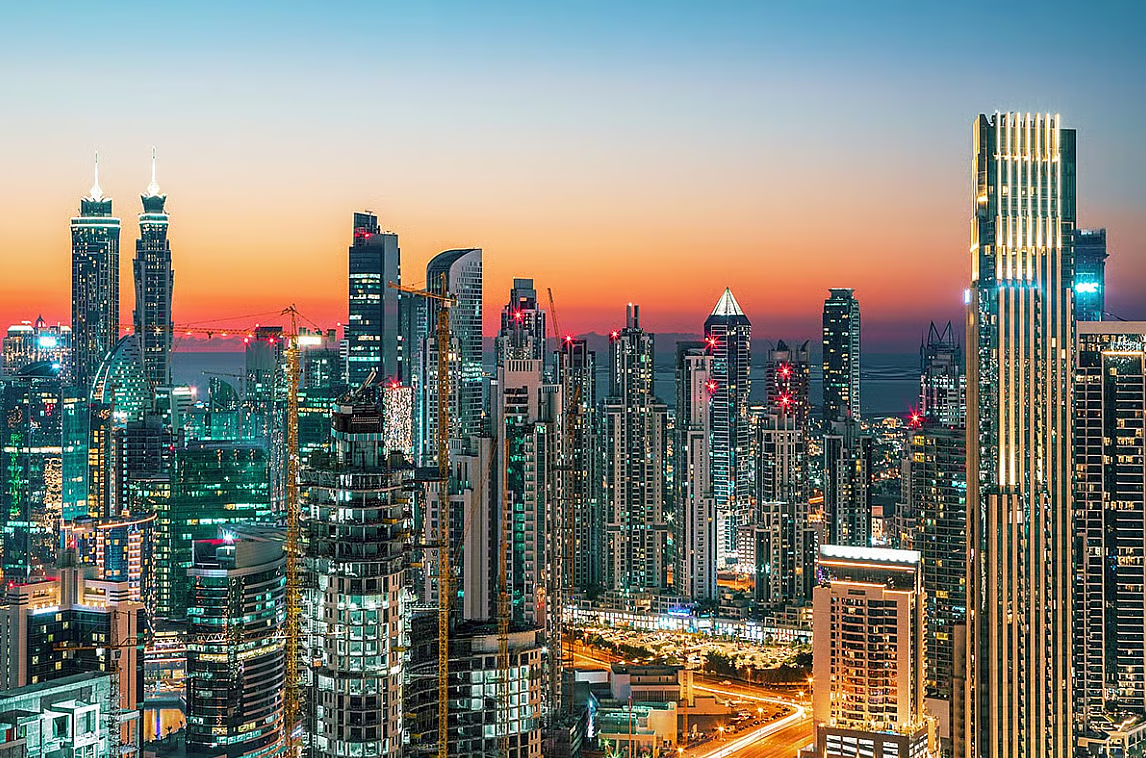
Dubai’s rental market has been on an extraordinary journey over the past few years. Strong population growth, record tourism numbers, global investor interest, and a surge in high-income professionals pushed rents sharply higher across apartments and villas. For many residents, however, the pace of increases felt relentless.
Now, as the city moves into 2026, market experts are predicting a welcome change. Rental prices in Dubai are expected to soften by up to 5 percent, marking a shift from rapid escalation to a more balanced and sustainable phase. Rather than signaling weakness, this adjustment reflects a maturing market that is aligning supply, demand, and affordability more realistically.
Dubai’s property market works in cycles, and the upcoming correction is widely seen as a natural progression rather than a cause for concern.
After several years of strong rent growth, affordability has become a key pressure point for both tenants and employers. At the same time, a wave of new residential supply is scheduled for handover across multiple communities. When combined, these factors create conditions that favor slight price adjustments instead of continued sharp increases.
One of the most significant drivers behind the forecasted rental decline is the volume of new homes expected to be completed in 2025 and 2026.
Thousands of apartments and villas across Dubai are reaching handover stage, particularly in emerging and master-planned communities. These new units are modern, well-amenitized, and competitively priced, giving tenants more options than they’ve had in years.
As landlords compete to attract and retain quality tenants, pricing flexibility becomes inevitable.
Dubai’s population continues to grow, but the pace is becoming more measured compared to the post-pandemic surge.
Many residents have already upgraded homes during recent years, while others are reassessing budgets after consecutive rental hikes. This cooling of demand growth does not mean people are leaving Dubai in large numbers. Instead, it signals a transition from urgency-driven renting to more deliberate decision-making.
While the overall forecast suggests a decline of up to 5 percent, the impact will not be uniform across the city. Some locations are more likely to experience noticeable adjustments than others.
Established mid-market areas that saw sharp rent increases are expected to see the earliest signs of correction.
Communities with a high concentration of similar apartment types may face greater competition as new projects come online. Tenants in these areas are likely to benefit from better negotiating power and more flexible lease terms.
Newer districts that are completing large phases of development may also experience mild rental pressure.
As multiple buildings hand over simultaneously, landlords often focus on occupancy rather than premium pricing. This can translate into incentives such as slightly lower rents, flexible payment plans, or added maintenance benefits.
Prime and ultra-luxury locations are expected to remain relatively stable.
While even high-end areas may see slower growth, demand from high-net-worth individuals, corporate tenants, and international relocations continues to support pricing. Any corrections in this segment are likely to be modest and selective.
For tenants, the outlook for 2026 is encouraging.
After years of rising costs, renters may finally see breathing room in their housing budgets. A slight decline in prices, combined with increased choice, shifts some leverage back to tenants.
Tenants renewing leases in 2026 may find landlords more open to discussions.
Rent freezes, small reductions, or added benefits such as maintenance packages or flexible payment schedules could become more common. Tenants who do their market research and compare options will be in a stronger position than before.
As new properties enter the market, tenants may be able to upgrade without significantly increasing costs.
Modern layouts, improved amenities, and better community infrastructure could become accessible within similar rental budgets, especially in newly completed developments.
For landlords, a slight dip in rental prices does not necessarily mean reduced returns if managed strategically.
Experienced investors understand that occupancy and tenant retention are key to long-term profitability.
Rather than pushing for maximum rent, many landlords are expected to prioritize keeping reliable tenants.
Avoiding vacancy periods, reducing turnover costs, and maintaining steady income streams can often outweigh the benefits of marginally higher rent levels.
To remain competitive, some landlords may invest in minor upgrades such as improved interiors, smart home features, or enhanced maintenance services.
These improvements help properties stand out without relying solely on price reductions.
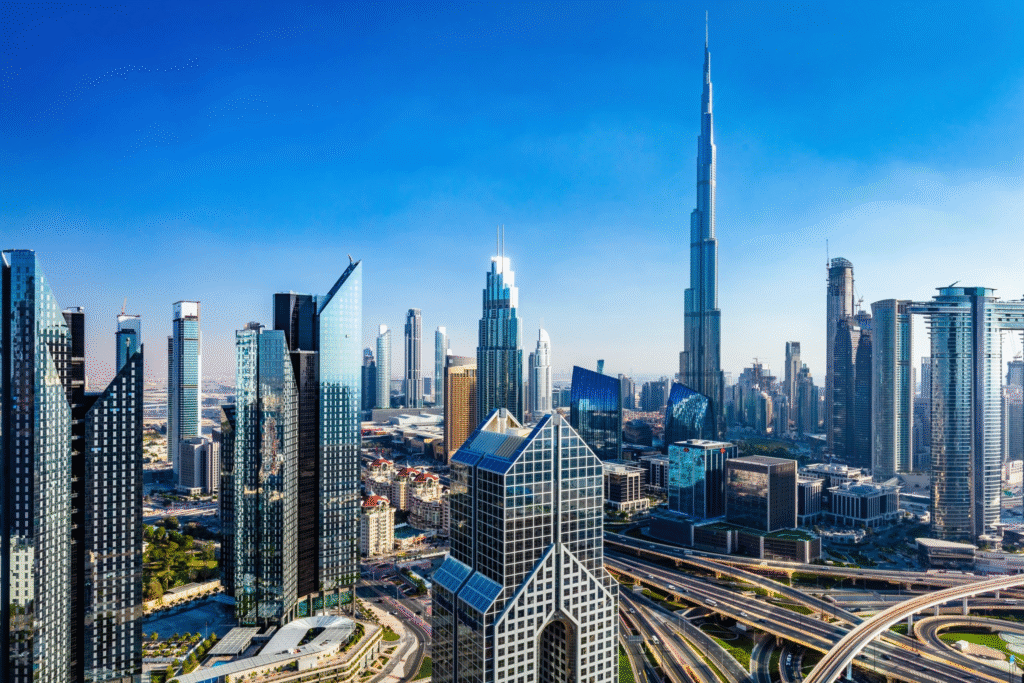
The predicted rental decline is widely viewed as a positive sign for Dubai’s broader economic landscape.
Sustainable housing costs support workforce stability, attract global talent, and encourage long-term residency. When rents rise too quickly, pressure builds across multiple sectors, from businesses to households.
A more balanced rental market makes Dubai more accessible for families, professionals, and entrepreneurs planning to stay long term.
Stability encourages people to settle, invest, and contribute to the city’s growth rather than viewing it as a short-term destination.
For companies, predictable housing costs make it easier to attract and retain talent.
Lower rental pressure reduces the need for higher housing allowances, improving operational efficiency and competitiveness.
Most experts believe the projected decline will remain modest and controlled.
Dubai’s rental market fundamentals remain strong, supported by population growth, infrastructure investment, and global appeal. The forecasted adjustment is not a crash, but a recalibration.
If global economic conditions remain stable, the correction is expected to be short-lived and followed by steady, sustainable growth rather than sharp rebounds.
Tenants planning moves or renewals in late 2025 or 2026 should start preparing early.
Tracking market trends, understanding community-level pricing, and remaining flexible with timelines can lead to better outcomes.
Being proactive rather than reactive will allow renters to take full advantage of improved conditions.
For investors, 2026 may present an opportunity to reassess strategies.
Rental yields may stabilize, but long-term capital appreciation, especially in well-located communities, remains attractive. Investors focused on quality assets and tenant experience are likely to outperform those chasing short-term gains.
Dubai’s rental market is entering a phase many would describe as healthy and necessary.
After years of intense growth, a controlled decline of up to 5 percent offers relief without undermining confidence. Tenants gain flexibility, landlords gain stability, and the city moves closer to a balanced housing ecosystem.
As 2026 approaches, the message is clear. Dubai’s rental market is not slowing down; it is simply finding its natural rhythm again.
Do Follow Estate Magazine on Instagram
Read More:- Dubai Real Estate Enters a Smarter, Logic-Driven Investment Era 2025