Dubai’s real estate market has always evolved in waves—rising with global trends, investor confidence, and infrastructure growth. As 2026 approaches, industry experts anticipate another transformative phase for the city’s rental sector.
From expanding communities to tech-driven leasing, Dubai’s rental market is set for major shifts in pricing, tenant behavior, and investment strategy. Whether you’re a landlord, tenant, or investor, understanding these upcoming trends can help you plan wisely for the years ahead.
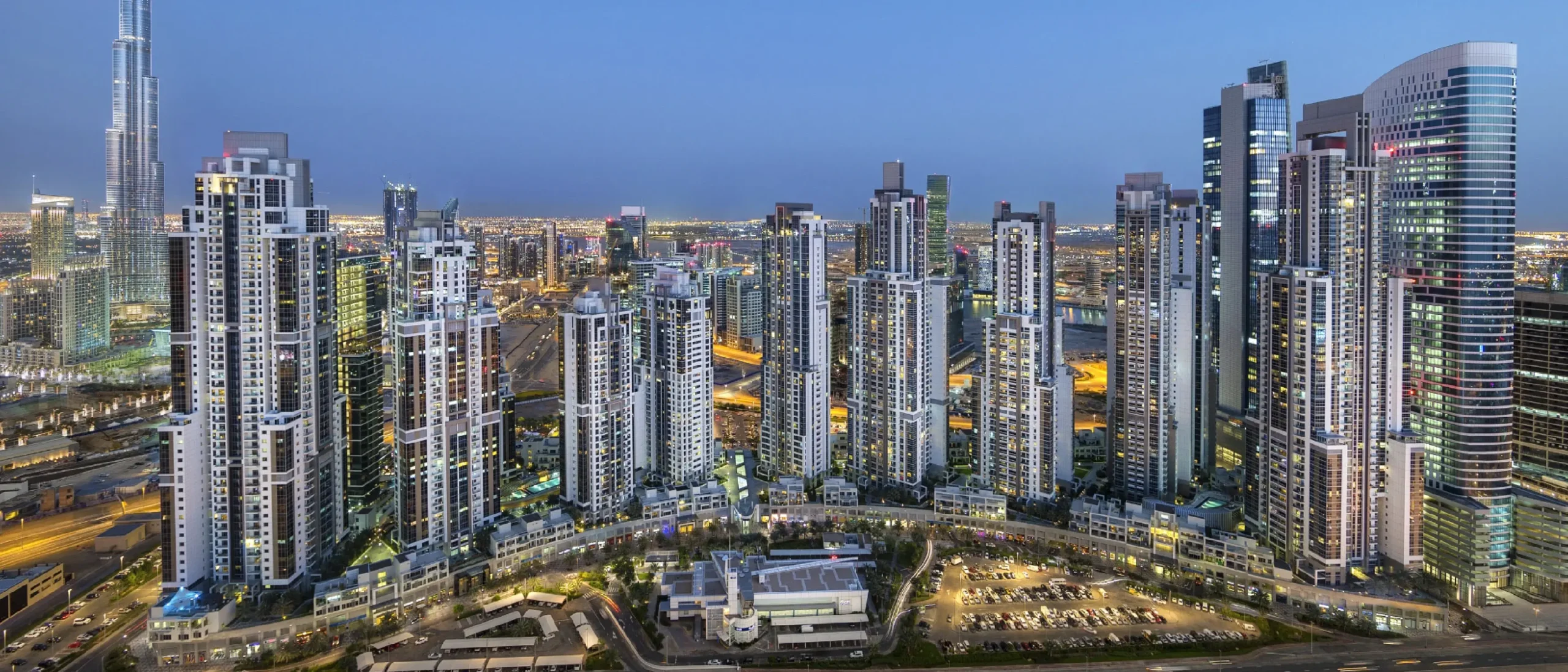
As of now, Dubai’s rental market is experiencing strong momentum. After several years of stable growth, rental prices have surged in both prime and mid-market communities. Demand continues to outpace supply in key areas such as Downtown Dubai, Dubai Marina, and Business Bay, where expats and professionals cluster near commercial zones.
The city’s population growth—driven by new visa reforms and foreign investments—has kept occupancy rates high. Even with new housing supply entering the market, demand remains steady due to Dubai’s appeal as a long-term living destination rather than a transient hub.
Dubai’s population is projected to surpass 3.8 million by 2026. This steady influx of residents will maintain strong rental demand, particularly in family-friendly areas such as Dubai Hills Estate, Arabian Ranches 3, and Meydan. The government’s push for long-term residency visas has encouraged many expats to settle permanently, creating a more stable tenant base.
Dubai’s diversification efforts—especially in finance, logistics, tourism, and tech—will attract more skilled professionals. As global businesses relocate regional offices to Dubai, housing demand for both mid-range and luxury rentals will increase.
With the lasting legacy of Expo 2020 and Dubai’s status as a global travel hub, the short-term rental market will continue to flourish. Platforms like Airbnb have normalized flexible leasing, pushing landlords to diversify between long-term and holiday rental models.
Rental prices are expected to rise moderately by 2026, though not at the explosive rates seen post-pandemic. Analysts predict an average annual increase of 4–6%, primarily sustained by population growth and the limited release of new luxury inventory.
Technology is playing an increasingly important role in Dubai’s real estate ecosystem. By 2026, expect property transactions and rental management to become almost fully digital.
From AI-powered property matching to blockchain-based contracts and virtual tours, digital innovation will make renting faster, safer, and more transparent. Tenants will have greater access to verified data, while landlords will enjoy more efficient management tools.
Dubai’s long-term sustainability agenda is reshaping housing preferences. New developments are integrating solar power, smart cooling systems, and energy-efficient materials to reduce environmental impact.
Eco-friendly communities such as The Sustainable City and Dubai Hills Estate are expected to attract more environmentally conscious tenants. Properties with green certifications will not only command higher rents but also enjoy greater long-term demand.
The modern tenant profile is evolving. By 2026, renters will prioritize flexibility, convenience, and lifestyle integration over long-term commitments. Co-living spaces, furnished rentals, and serviced apartments will attract growing attention, especially from digital nomads and short-stay expats.
Landlords adapting to these preferences—offering flexible payment options or including utilities—will see better retention rates and faster occupancy.
Despite the positive outlook, some challenges could influence growth patterns:
However, Dubai’s market resilience and regulatory evolution (especially through RERA and Ejari systems) ensure a stable investment environment overall.
For investors, the 2026 horizon presents both stability and opportunity. Rental yields in Dubai remain among the best globally—averaging 6–8%, compared to 3–4% in many Western cities.
High-performing segments will likely include:
Investors who focus on strategic locations and long-term value, rather than short-term speculation, stand to benefit the most.
Dubai’s rental market is moving toward maturity. The days of volatile price swings are giving way to steady, sustainable growth built on long-term demand. With world-class infrastructure, investor-friendly regulations, and a diverse global population, Dubai is positioned to remain one of the most stable and profitable rental markets worldwide.
By 2026, both tenants and investors can expect a market that is more transparent, technologically advanced, and environmentally conscious—truly reflecting Dubai’s vision as a global city of the future.
Do Follow Estate Magazine on Instagram