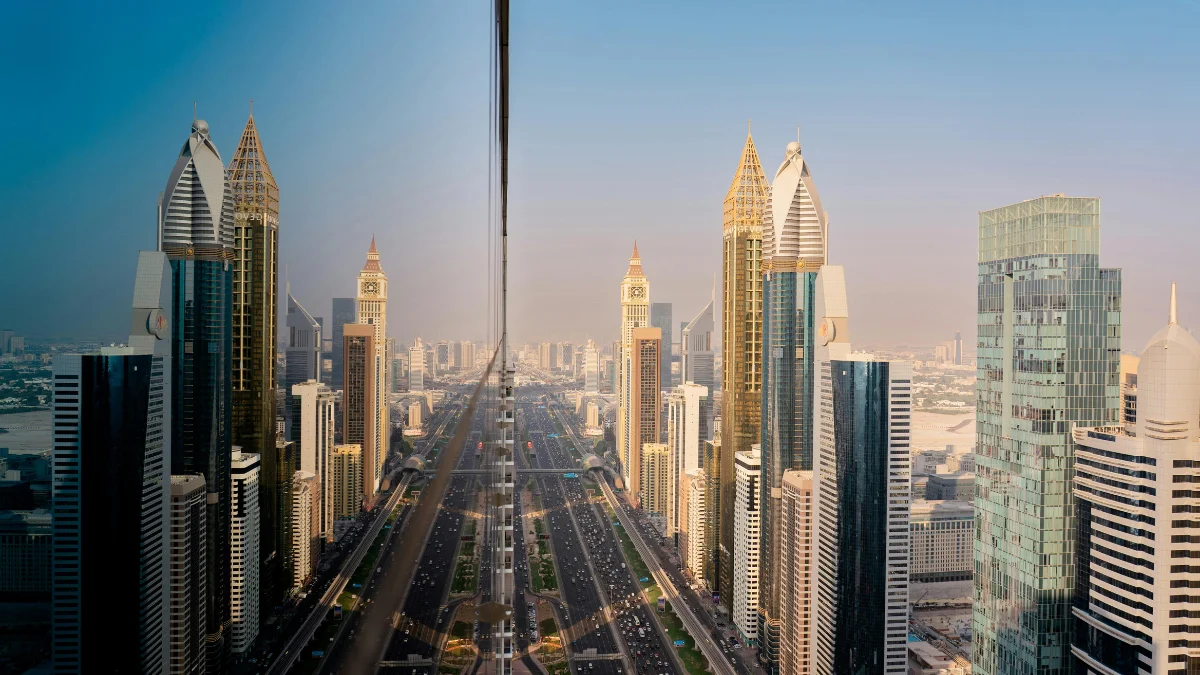
The Dubai rental housing market is entering a phase of structural transformation in 2026. After several years of sharp rent increases driven by population growth, global inflows, and limited supply, the market is now shifting toward a more balanced and predictable environment. Rising vacancy in certain segments, changing tenant preferences, and a steady flow of new residential handovers are reshaping how both tenants and landlords approach the year ahead.
Rather than a dramatic correction, the story of Dubai rents in 2026 is one of selective easing, increased choice, and smarter decision-making. For tenants, this means improved negotiating power in specific areas. For landlords, it signals the need for adaptability, pricing discipline, and a renewed focus on tenant retention.
Over the past few years, Dubai’s rental market experienced one of its strongest growth cycles in decades. Demand consistently outpaced supply, allowing landlords to push rents higher at renewal and re-letting. By 2026, however, the dynamics are evolving.
The market is maturing as new residential communities reach completion and investor-owned units return to the long-term rental pool. At the same time, a growing number of residents are transitioning from renting to ownership, encouraged by stable prices, flexible payment plans, and attractive mortgage options.
This gradual rebalancing does not imply weakness. Instead, it reflects a healthier rental ecosystem where pricing aligns more closely with income levels, lifestyle needs, and actual availability.
One of the most important drivers behind easing rents in 2026 is higher vacancy in certain parts of the city. Mid-market apartments, older buildings, and locations with heavy new supply are seeing more choice and longer listing periods.
Tenants in these segments are finding it easier to compare options, request upgrades, or negotiate more favorable lease terms. Incentives such as rent-free periods, flexible payment cheques, and maintenance commitments are becoming more common.
That said, vacancy is not uniform across Dubai. Well-located, high-quality properties in established neighborhoods continue to perform strongly, especially those close to business districts, transport links, and lifestyle amenities.
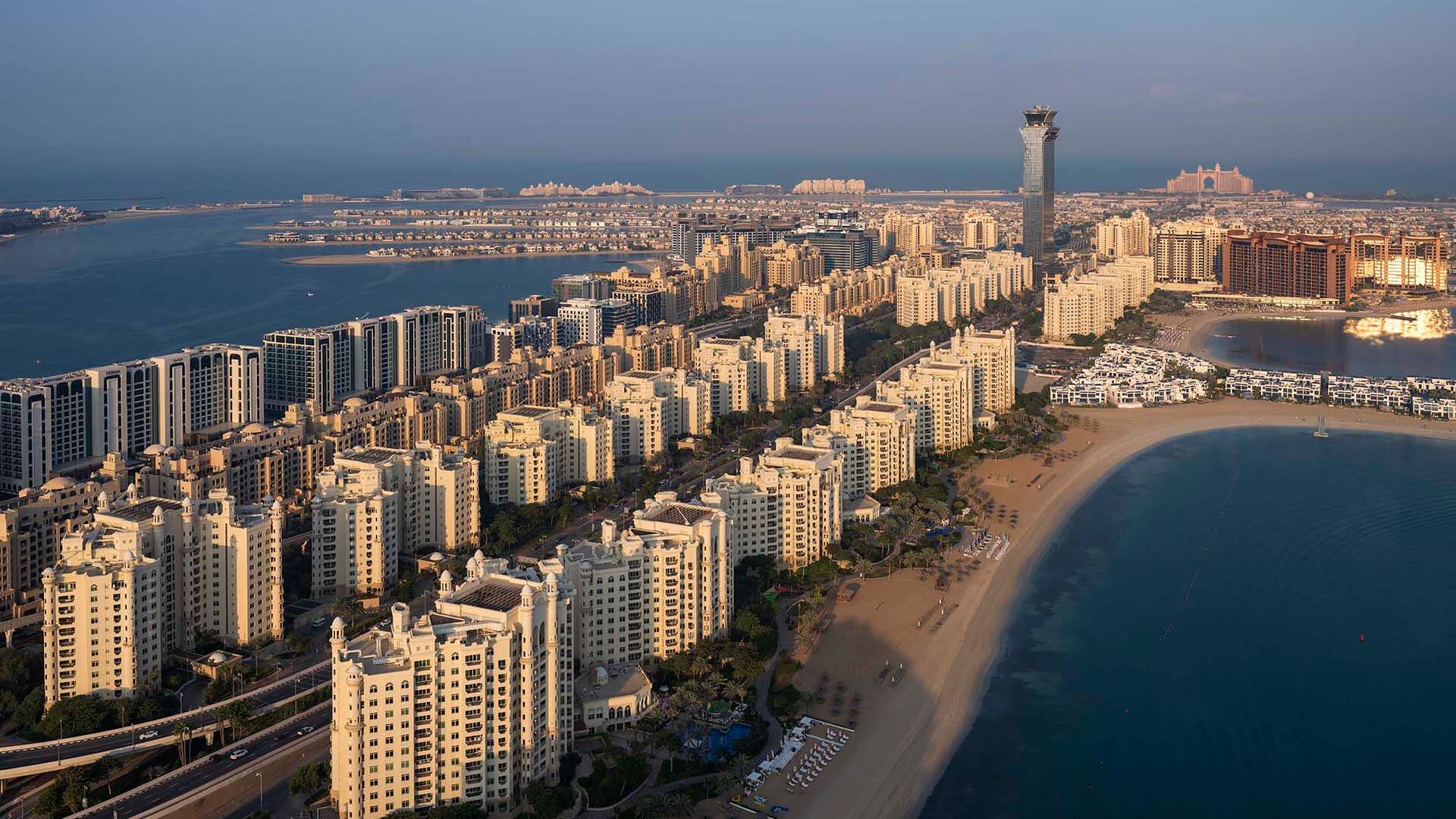
While parts of the market may see softer rents, prime and lifestyle-driven locations are expected to remain resilient throughout 2026. Areas such as Dubai Marina, Downtown Dubai, and Palm Jumeirah continue to attract strong demand from professionals, families, and international residents.
In these districts, limited availability, strong resale values, and consistent tenant interest help support rental levels. Any price adjustments are likely to be modest and driven more by seasonality than oversupply.
Landlords in prime areas are less pressured to discount heavily, but even here, tenants are becoming more selective, favoring well-maintained units with modern layouts and inclusive amenities.
Seasonality is playing a growing role in shaping rental trends. Peak demand periods, typically aligned with job relocations and school calendars, still see firm pricing and faster leasing activity. Outside these windows, landlords may need to be more flexible to secure quality tenants.
In 2026, this seasonal pricing pressure is expected to become more pronounced. Tenants who time their moves strategically may benefit from lower asking rents or better lease conditions during quieter months.
For landlords, understanding these cycles and planning listings accordingly can make a meaningful difference in occupancy rates and overall returns.
Another notable trend shaping Dubai rents in 2026 is the shift toward longer-term leases. Both tenants and landlords are showing a preference for stability after years of frequent price adjustments.
Tenants value predictable housing costs, while landlords benefit from reduced turnover, lower vacancy risk, and steadier cash flow. As a result, two- and even three-year lease agreements are becoming more common, often with built-in rent review clauses rather than sharp annual increases.
This trend supports a more sustainable rental market and encourages stronger tenant–landlord relationships.
An increasing number of long-term residents are choosing to buy rather than rent. Improved financing options, competitive developer incentives, and confidence in Dubai’s long-term economic outlook are accelerating this shift.
As renters transition into homeowners, demand pressure in certain rental segments eases. This is particularly noticeable in family-oriented communities and mid-income apartment zones.
However, the inflow of new residents and expatriates continues to support baseline rental demand, ensuring that any softening remains gradual rather than abrupt.
For tenants, 2026 presents a more balanced and tenant-friendly environment, especially outside prime areas. Greater choice means more leverage, but success still depends on preparation and timing.
Tenants should expect:
More room to negotiate in oversupplied or older developments
Increased availability of incentives rather than headline rent cuts
Stable or slightly softer rents in mid-market locations
Firm pricing in prime, high-demand communities
Being flexible on location, lease start dates, or unit size can unlock better value without sacrificing lifestyle quality.
For landlords, the easing phase of the market is not a threat, but a call to refine strategy. Competitive pricing, proactive maintenance, and professional property management are becoming essential rather than optional.
Landlords who focus on tenant experience, realistic rent expectations, and long-term occupancy are more likely to protect yields even as the market normalizes. Overpricing units in 2026 may lead to longer vacancies, ultimately costing more than a modest rent adjustment.
Dubai rents in 2026 are best understood as entering a reset rather than a decline. The market is transitioning from rapid expansion to sustainable growth, where supply, demand, and pricing are better aligned.
Tenants gain flexibility and choice, while landlords benefit from a more transparent, predictable environment. For both sides, informed decisions, realistic expectations, and a long-term view will define success in the year ahead.
In this new phase, Dubai’s rental market continues to mature, offering stability, opportunity, and resilience across its diverse residential landscape.
Do follow Estate Magazine on Instagram
Read More:- Dubai Islands: BEYOND Developments Launches HADO Beachfront Towers