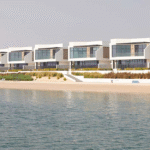

Investing in real estate has always been an attractive avenue for building wealth, and in the vibrant market of Dubai, this interest has surged remarkably. Among the most compelling investment vehicles in this landscape are Dubai Residential REITs (Real Estate Investment Trusts). These REITs serve as institutional property capital pools, appealing to both seasoned investors and newcomers alike. This article explores the dynamics of Dubai Residential REIT investors and how they navigate this lucrative market.
Dubai is a city synonymous with luxury, innovation, and growth. Its real estate market reflects this ethos, offering diverse investment opportunities. Dubai Residential REITs have emerged as a popular choice for institutional investors looking to capitalize on the city’s booming property sector.
Investors are drawn to these REITs for several reasons. Firstly, the regulatory framework in Dubai is robust, providing a sense of security. Secondly, the potential for high returns is significant, particularly in the residential segment that caters to a growing expatriate population. Lastly, the liquidity that comes with investing in REITs allows investors to buy and sell shares without the cumbersome process of traditional property transactions.

Dubai Residential REITs are structured to pool capital from multiple investors, allowing them to acquire, manage, and develop real estate properties. This collective investment model not only mitigates risk but also enhances the purchasing power of individual investors.
Typically, these REITs focus on high-quality residential properties, such as luxury apartments, villas, and mixed-use developments. By concentrating on prime locations and well-established neighborhoods, Dubai Residential REITs aim to deliver consistent rental income and capital appreciation.
Institutional property capital pools, such as pension funds, insurance companies, and sovereign wealth funds, play a pivotal role in the growth of Dubai Residential REITs. These entities bring substantial financial resources and expertise, enabling them to undertake larger projects and diversify their investment portfolios.
One of the primary strategies employed by institutional investors is the focus on long-term value creation. They often seek properties that are not only likely to appreciate in value but also generate steady rental income. This dual approach helps to cushion against market volatility and economic downturns.
The Dubai property market is influenced by various trends, including demographic shifts, economic indicators, and government policies. Institutional investors closely monitor these factors to make informed decisions regarding their investments in Dubai Residential REITs.
For instance, the influx of expatriates seeking housing in Dubai creates a consistent demand for residential properties. Additionally, government initiatives aimed at boosting tourism and foreign investment contribute to a favorable investment climate. By understanding these trends, investors can better position themselves to capitalize on emerging opportunities.
Like any investment, Dubai Residential REITs come with inherent risks. Institutional investors employ various strategies to manage these risks effectively.
Diversification is one of the key strategies. By investing in a range of properties across different locations and sectors, investors can mitigate the impact of localized market fluctuations. Additionally, thorough due diligence is conducted before acquiring properties, ensuring that potential risks are identified and accounted for.
Moreover, institutional investors often leverage advanced data analytics and market research to inform their investment decisions. This analytical approach helps them navigate uncertainties and optimize their portfolios.

Looking ahead, the future of Dubai Residential REITs appears promising. As the city continues to evolve and attract global talent, the demand for quality housing is expected to rise. Institutional property capital pools are likely to remain at the forefront of this growth, driving innovation and sustainability in the real estate sector.
Moreover, as technology advances, we may see the integration of smart building solutions and eco-friendly practices in the properties acquired by these REITs. This trend not only aligns with global sustainability goals but also enhances the appeal of residential properties to environmentally conscious tenants and investors.
In summary, Dubai Residential REIT investors are positioning themselves strategically within the institutional property capital pools. With the city’s dynamic real estate market, strong regulatory environment, and favorable demographic trends, these investors are well-placed to benefit from long-term growth and stability. As Dubai continues to develop and innovate, the potential for substantial returns remains high, making these REITs a wise choice for those looking to invest in the future of real estate.
Do Follow Estate Magazine on Instagram
Read More:- Demi Mckenna: 7 Powerful Reasons She’s a Rising Star in Dubai Real Estate