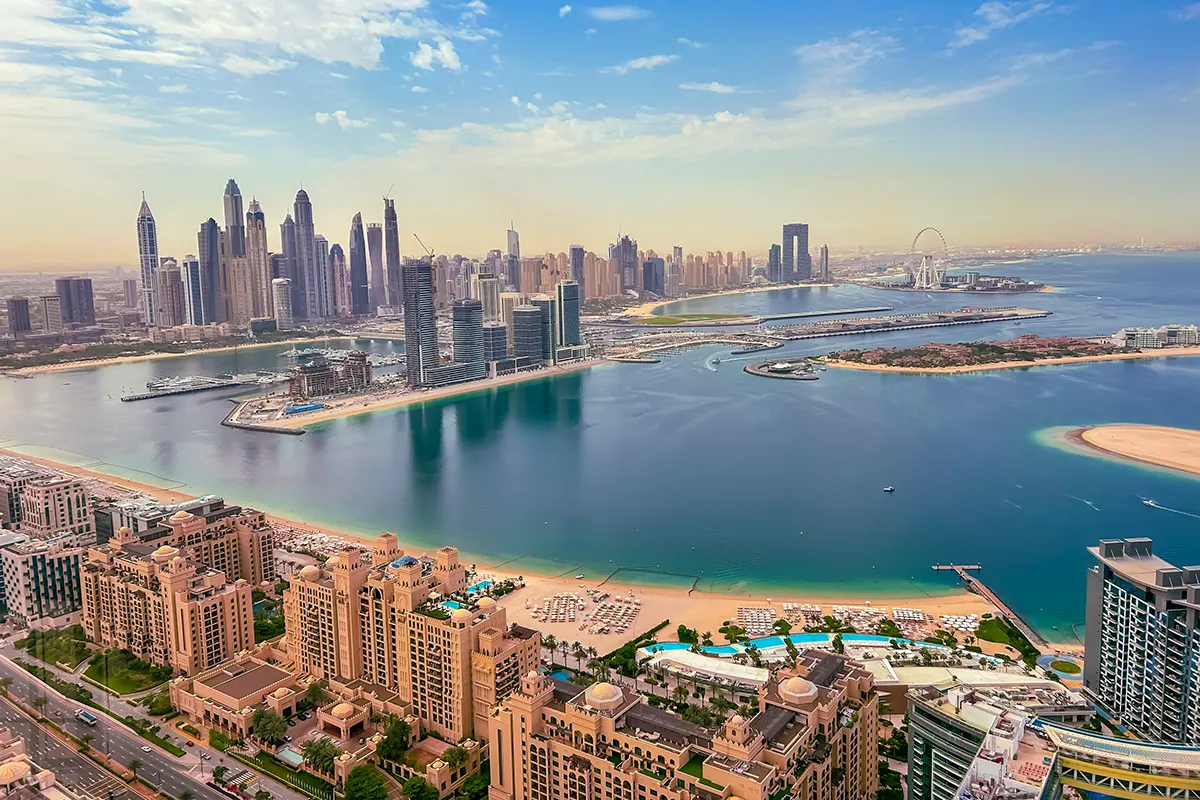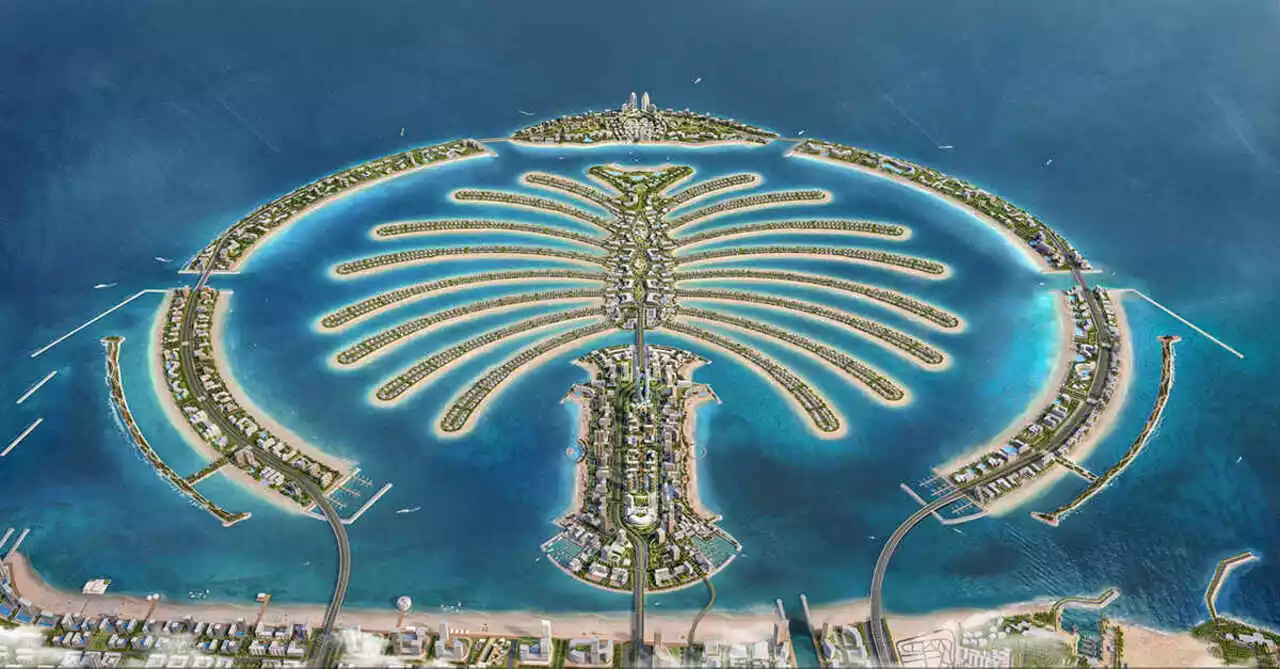
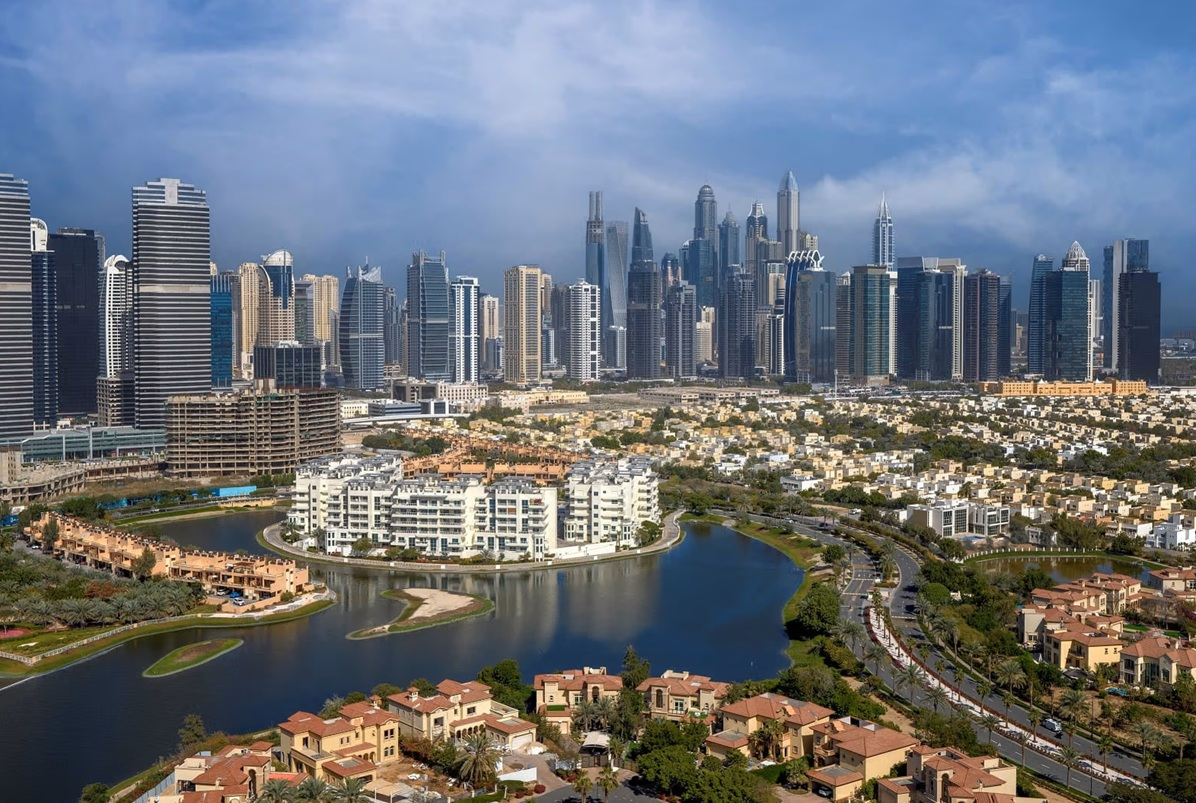
Dubai’s real estate market has long been a focal point for investors, homeowners, and renters alike. As we look towards 2025, projections indicate that Dubai residential transactions will top an astounding 200,000. This remarkable figure is indicative of the city’s growing appeal and the dynamic nature of its real estate sector. In this article, we will explore the factors driving this surge in transactions, the implications for buyers and sellers, and what this means for the future of the Dubai property market.
The anticipated leap in residential transactions can be attributed to several key factors that are shaping Dubai’s real estate landscape.
Firstly, Dubai’s strategic location as a global business hub continues to attract international investors. The city’s tax-free status, coupled with a growing expatriate population, creates a robust demand for residential properties.
Secondly, the recent improvements in infrastructure and transportation are making various neighborhoods more accessible. The expansion of the metro system and the development of new residential communities are enhancing the living experience, making properties in these areas more desirable.
Lastly, the government’s proactive approach in offering various incentives for property ownership, such as long-term visas for investors and simplified purchasing procedures, is encouraging more individuals to consider Dubai as their home.
One of the most exciting developments in the Dubai residential market is the increasing integration of technology.
Real estate platforms are becoming more sophisticated, providing potential buyers with comprehensive virtual tours and detailed property analytics. This technological shift not only streamlines the buying process but also enhances transparency, making it easier for buyers to make informed decisions.
Additionally, blockchain technology is gaining traction in Dubai, with smart contracts simplifying transactions and ensuring that they are secure and efficient. These technological advancements are expected to play a significant role in reaching the anticipated 200,000 residential transactions in 2025.
As the number of residential transactions climbs, potential buyers can expect an array of opportunities across various segments of the market.
Luxury properties continue to thrive, with high-end developments catering to affluent investors seeking exclusive living experiences. However, there is also a growing emphasis on affordable housing, as the government aims to accommodate a broader demographic. This balance between luxury and affordability is likely to enhance the overall market dynamics.
Furthermore, the evolving trends in sustainable living are influencing new developments. Buyers are increasingly seeking environmentally friendly options, and developers are responding by incorporating green technologies and sustainable practices into their projects.
For sellers, the anticipated boom in residential transactions presents a ripe opportunity to capitalize on the market’s momentum.
Understanding the market trends and pricing strategies will be crucial. Sellers should consider working with knowledgeable real estate agents who can provide insights into current buyer preferences and pricing strategies that align with the anticipated demand.
Moreover, enhancing the property’s appeal through staging and minor renovations can significantly influence a buyer’s decision. As more transactions occur, presenting a well-maintained property will help sellers stand out in a competitive market.
While the forecast of over 200,000 transactions is exciting, it is essential to acknowledge potential challenges that may arise.
Market fluctuations can occur due to changes in global economic conditions, which may affect buyer confidence. Additionally, the influx of new developments could lead to oversupply in certain segments, potentially impacting property values.
Staying informed about market conditions and being adaptable will be critical for both buyers and sellers navigating this evolving landscape.
Looking beyond 2025, the real estate market in Dubai is poised for continued evolution. As the city continues to grow and innovate, the residential market will likely adapt to new demands and trends.
Sustainability will be a significant focus, as the global push for greener living environments influences development practices. Additionally, the integration of smart home technologies will become increasingly common, appealing to tech-savvy buyers who prioritize convenience and efficiency.
Investors should keep an eye on emerging neighborhoods that may offer growth potential as the city expands its boundaries. As urban planning initiatives unfold, new opportunities for investment will likely arise, making it essential to stay informed and agile.
In conclusion, the prediction that Dubai residential transactions will top 200,000 in 2025 is a testament to the city’s resilience and appeal in the global real estate arena. With various factors driving this growth, both buyers and sellers have much to look forward to as they navigate this vibrant market.
Understanding market dynamics, leveraging technology, and being adaptable will be key to thriving in Dubai’s evolving real estate landscape. As the city continues to innovate and attract investors, the future of real estate in Dubai looks bright and full of potential.
Do Follow Estate Magazine on Instagram
Read Next – Dubai Commercial Property Market Enters a New Two-Tier Phase