Dubai is one of the world’s fastest-growing cities, known for its skyscrapers, luxury lifestyle, and record-breaking developments. But beneath the glamour, the city faces a serious challenge water scarcity. With rising demand and limited natural resources, Dubai authorities and sustainability experts are urging residents and businesses to take small but impactful steps to conserve water. One of the most effective steps is the use of low-flow taps.
Across the emirate, low-flow taps are being promoted as a simple yet powerful solution to reduce water wastage in households, offices, hotels, and public places. Unlike traditional taps that release a heavy stream of water, low-flow taps are designed with special aerators that control water flow, cutting usage by up to 40–60% without affecting performance.
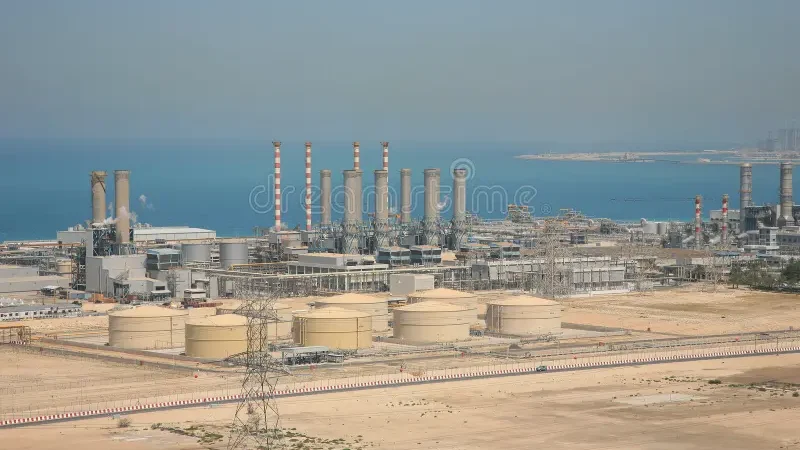
Water scarcity is not a new concern for the UAE. The country relies heavily on desalination—turning seawater into drinking water to meet its demand. In fact, over 90% of Dubai’s water comes from energy-intensive desalination plants. This process consumes vast amounts of energy and contributes to carbon emissions, making it a costly and environmentally taxing practice.
According to the UAE Ministry of Energy and Infrastructure, the average water consumption per person in the UAE is among the highest in the world. While global averages stand at around 180 liters per person per day, the UAE average often exceeds 500 liters per person per day. This highlights the urgent need for conservation efforts at both household and commercial levels.
By adopting low-flow taps, residents can directly reduce water consumption while supporting Dubai’s broader goals for sustainability, including the Dubai Clean Energy Strategy 2050 and the UAE Net Zero by 2050 Initiative.
The science behind low-flow taps is straightforward but effective. These taps come with built-in aerators or flow restrictors that mix air with water, producing a steady stream while using much less liquid. The pressure feels the same as a normal tap, but the actual water output is significantly reduced.
For example, a traditional bathroom tap may use 10–15 liters of water per minute. A low-flow version cuts that down to 4–6 liters per minute. Multiply this by the number of daily hand washes, dishwashing, and other uses, and the savings quickly add up.
Hotels, schools, and restaurants in Dubai that have switched to low-flow taps report thousands of liters saved every month, not only reducing environmental impact but also cutting down on utility bills.
Dubai’s government has been proactive in pushing for water-efficient solutions. Initiatives such as the Dubai Integrated Water Resource Management Strategy 2030 emphasize the importance of efficient technology and public awareness.
Real estate developers are also playing their part. New residential and commercial projects increasingly include water-efficient fittings like low-flow taps, showers, and dual-flush toilets as standard features. The Dubai Electricity and Water Authority (DEWA) has run several awareness campaigns encouraging citizens to adopt these fittings in existing homes as well.
For businesses in the hospitality and retail sectors, water efficiency is not just a cost-saving measure but also part of their corporate sustainability image. Hotels, for instance, are now highlighting eco-friendly water practices as part of their green credentials, appealing to tourists who are increasingly conscious of sustainability.
The adoption of low-flow taps in Dubai comes with multiple benefits:
In the past, many residents were skeptical about low-flow taps, believing they would affect water pressure or be inconvenient. But as technology has improved, these taps now provide the same comfort as traditional ones, with none of the drawbacks.
Awareness campaigns across schools and communities have started to change perceptions. Children are learning about water conservation in classrooms, and families are being encouraged to make small but meaningful changes at home. Many hardware stores and online retailers in Dubai now offer a wide range of low-flow tap fittings at affordable prices, making them easily accessible to everyone.
Dubai has ambitious sustainability goals, and water conservation will play a critical role in achieving them. While large-scale projects like desalination plants and wastewater recycling facilities are essential, experts agree that small lifestyle changes across millions of residents can be equally impactful.
Switching to low-flow taps is one of the easiest, most cost-effective steps people can take today. When combined with other measures like fixing leaks, reusing greywater, and practicing mindful consumption, the results could be transformative for the city.
Dubai is a city that has always thrived on innovation and forward-thinking. As the emirate continues to grow, managing its limited water resources wisely becomes more important than ever. Low-flow taps may seem like a small change, but their impact on water conservation is massive.
By adopting these simple devices, households, businesses, and developers can all play their part in shaping a more sustainable Dubai. In a city built on vision and ambition, low-flow taps represent a practical step toward a greener and more resilient future.
READ MORE:- Deyaar’s Latest Announcement Shakes Up the UAE Property Market