Dubai is a city that never stops evolving. Roads that once served yesterday’s needs are constantly reimagined to match tomorrow’s ambitions. One of the latest examples of this forward-thinking approach is the series of upgrades introduced on Al Thanya Street. While it may seem like just another road improvement on the surface, the impact of these changes goes far deeper, touching daily commutes, surrounding communities, local businesses, and even property values.
Al Thanya Street plays a crucial role in connecting several busy residential and commercial areas. With traffic volumes steadily increasing over the years, the need for smarter, safer, and more efficient infrastructure became impossible to ignore. The new upgrades are designed not just to reduce congestion, but to enhance quality of life for everyone who uses the road.
Al Thanya Street is more than a transit route. For thousands of residents, it is part of their daily routine, linking homes to workplaces, schools, retail hubs, and leisure destinations. Over time, growing traffic demand placed pressure on the road, leading to longer travel times during peak hours and reduced driving comfort.
Dubai’s leadership has consistently emphasized proactive planning rather than reactive fixes. The decision to upgrade Al Thanya Street reflects this mindset, ensuring that infrastructure keeps pace with the city’s rapid growth while supporting its long-term urban vision.
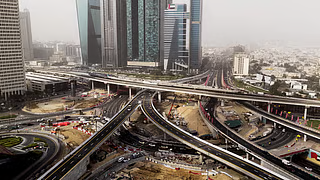
The upgrades on Al Thanya Street are comprehensive and carefully planned. Instead of focusing on a single issue, the improvements address multiple challenges at once, from traffic flow to pedestrian safety.
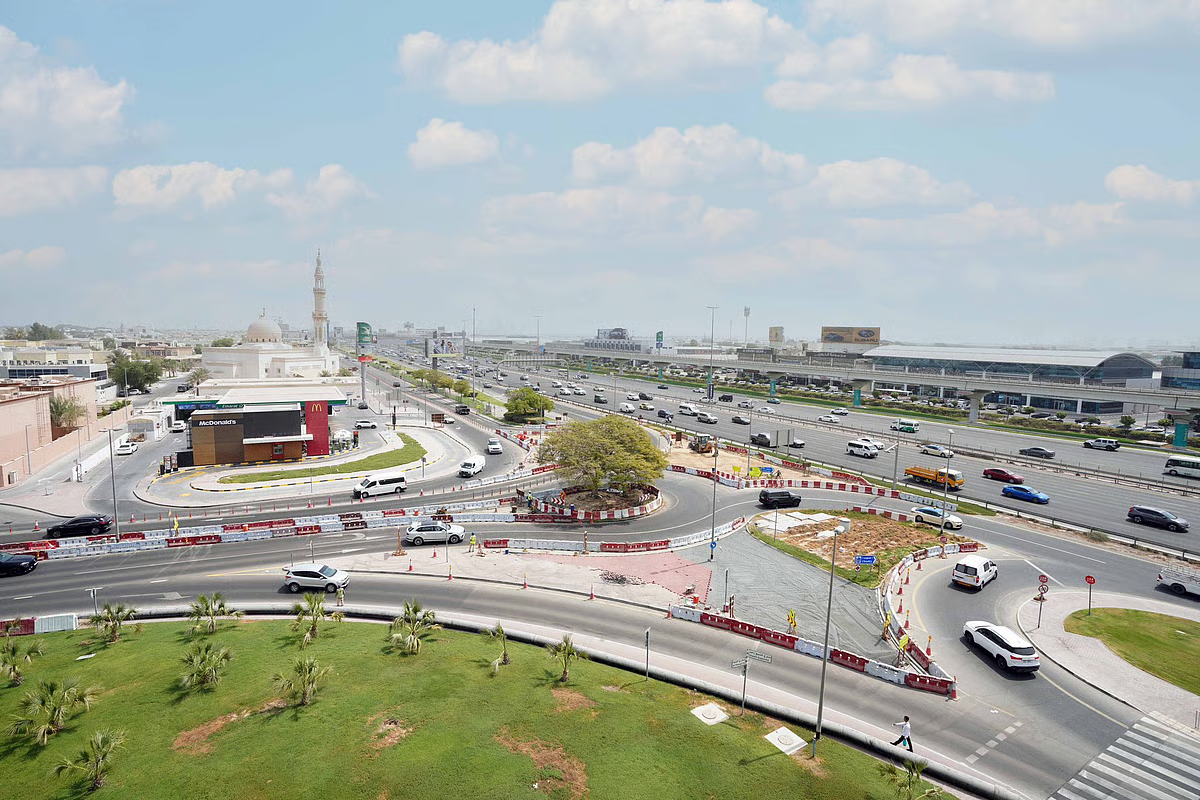
One of the most noticeable changes is the widening of key sections of Al Thanya Street. Additional lanes have been introduced to handle higher traffic volumes more smoothly. This expansion allows vehicles to move more freely, especially during peak commuting hours, significantly reducing bottlenecks.
Intersections are often the biggest source of congestion. The upgraded design introduces better-aligned junctions, optimized turning lanes, and clearer road markings. These changes help drivers navigate intersections more confidently and reduce delays caused by confusion or abrupt lane changes.
Technology plays a major role in the new upgrades. Intelligent traffic systems have been integrated to monitor vehicle flow and adjust signals in real time. This ensures that traffic lights respond to actual road conditions rather than fixed schedules, improving efficiency throughout the day.
For most people, the true value of infrastructure upgrades is measured in minutes saved and stress reduced. The improvements on Al Thanya Street are already making a noticeable difference in daily commutes.
With smoother traffic flow and fewer choke points, drivers experience shorter travel times. Even small reductions can add up over weeks and months, giving residents more time for family, rest, or personal interests.
Wider lanes, clearer signage, and improved road surfaces contribute to a more comfortable driving experience. The upgrades reduce sudden stops and erratic lane changes, making journeys feel calmer and more predictable.
Safety is a central focus of the upgrades. Better lighting, improved pedestrian crossings, and clearer lane demarcations reduce the risk of accidents. For families and daily commuters alike, this added sense of security is invaluable.
The impact of the Al Thanya Street upgrades extends beyond drivers. Nearby neighborhoods are experiencing positive changes that improve overall livability.
By easing congestion on the main road, traffic spillover into residential streets is reduced. This means less noise, safer local roads, and a more peaceful environment for residents.
New pedestrian-friendly features encourage walking and make it safer to cross the road. This supports healthier lifestyles and strengthens community connections, especially in areas with nearby shops and services.
When roads function better, people feel more connected to their surroundings. Shorter travel times make it easier to attend community events, visit friends, or explore nearby amenities.
Infrastructure upgrades often act as a catalyst for economic activity, and Al Thanya Street is no exception.
Easier access encourages more visitors to stop by local shops, cafes, and service centers. Businesses benefit from higher footfall and smoother delivery logistics.
Improved roads signal long-term commitment to an area’s development. This builds confidence among business owners and attracts new investments, contributing to a more vibrant local economy.
Convenient parking access, reduced congestion, and safer crossings make it easier for customers to visit businesses without stress, encouraging repeat visits.
In Dubai, infrastructure improvements often have a direct impact on real estate dynamics. The upgrades on Al Thanya Street are expected to influence property values positively over time.
Better connectivity makes surrounding residential and commercial properties more attractive. Buyers and tenants value locations that offer easy access and smooth commutes.
While short-term market movements vary, well-planned infrastructure upgrades typically support steady long-term appreciation. Properties near improved roads often enjoy sustained interest from investors and end-users alike.
Beyond financial value, improved roads enhance lifestyle quality. This intangible benefit plays a significant role in decision-making for families and professionals choosing where to live.
Modern infrastructure projects in Dubai increasingly incorporate sustainability principles, and the Al Thanya Street upgrades reflect this approach.
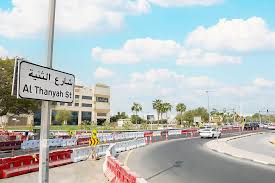
Stop-and-go traffic contributes to higher emissions. By improving traffic flow, the upgrades help reduce idle time and fuel consumption, supporting cleaner air.
Improved pedestrian facilities and better road design encourage alternatives to short car trips. Over time, this supports a more balanced and sustainable urban mobility ecosystem.
The upgrades on Al Thanya Street are not an isolated project. They align closely with Dubai’s broader vision for smart, people-centric urban development.
Dubai’s population and economic activity continue to grow. Investing in road infrastructure today ensures the city is prepared for tomorrow’s demands without compromising efficiency.
World-class infrastructure is a key factor in attracting talent, businesses, and investors. Upgraded roads strengthen Dubai’s reputation as a city that prioritizes quality and innovation.
At its core, the project is about improving everyday life. Whether it’s a smoother commute, safer crossings, or better access to services, the upgrades reflect a commitment to people-first planning.
As with any major infrastructure upgrade, the full benefits become more evident over time. Drivers can expect continued fine-tuning of traffic systems, while residents may notice gradual improvements in noise levels and accessibility.
The upgrades also set a benchmark for future road projects across the city. Lessons learned from Al Thanya Street will likely influence how other key routes are redesigned and improved.
Al Thanya Street’s transformation is a reminder that even familiar roads can be reimagined to meet changing needs. These upgrades are not just about concrete and asphalt; they are about time saved, stress reduced, safety enhanced, and communities strengthened.
For residents, businesses, and visitors alike, the improved Al Thanya Street represents a small but meaningful step toward a more connected, comfortable, and future-ready Dubai.
Do Follow Estate Magazine on Instagram
Read More:- Global Water Solutions Receive $2 Billion Boost from Abu Dhabi