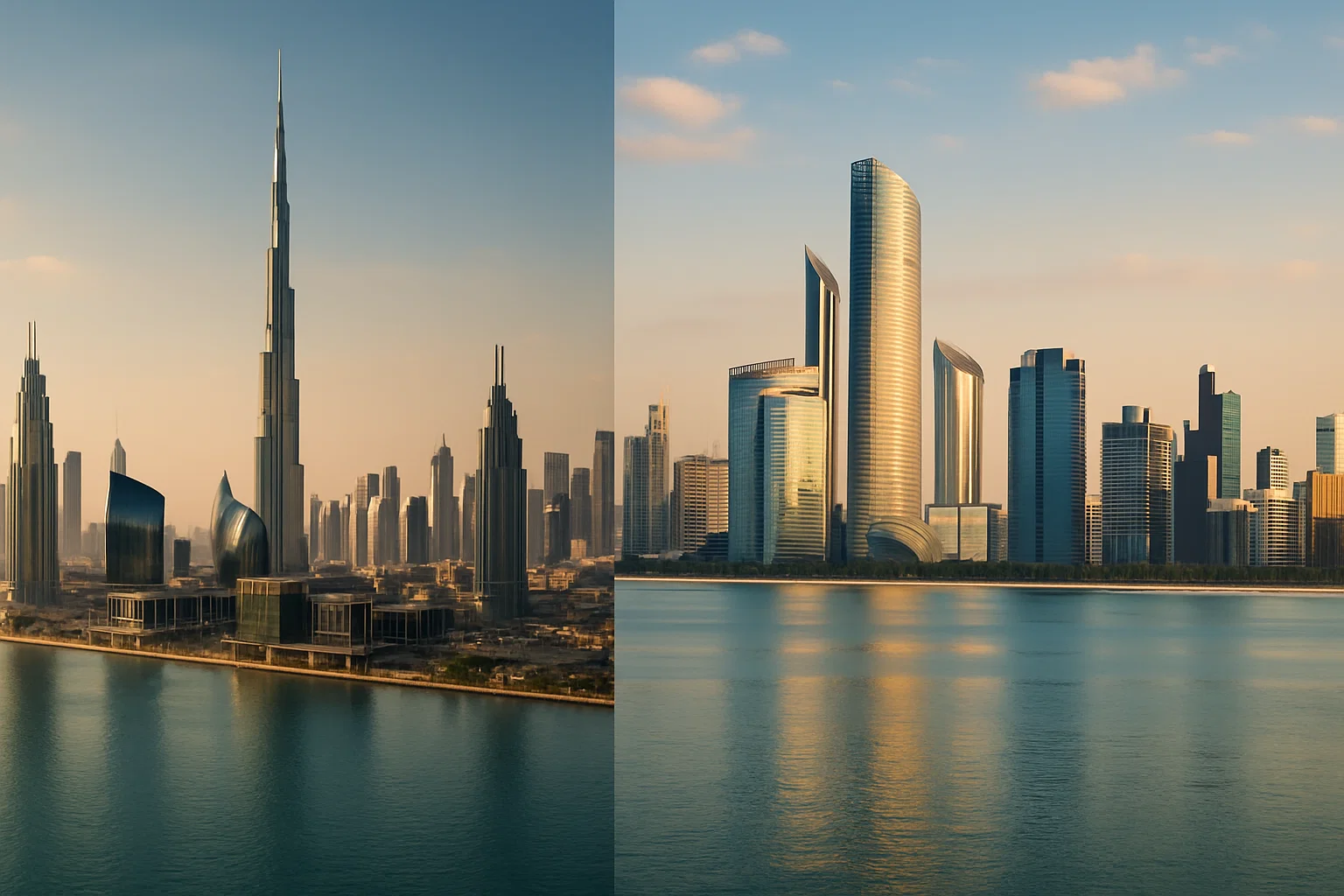
When it comes to the UAE, two cities often stand out in discussions about real estate: Dubai and Abu Dhabi. Both cities are known for their luxurious lifestyle, breathtaking architecture, and thriving economies. However, when potential investors or homebuyers consider property, one crucial question arises: Dubai vs Abu Dhabi property prices how do they compare? This article delves into the intricacies of property pricing in these two iconic cities, helping you make an informed decision.
Dubai’s property market is often characterized by its vibrant atmosphere and diverse offerings. From high-rise apartments in bustling neighborhoods to sprawling villas in serene communities, Dubai provides a wide range of options for every budget.
In recent years, property prices in Dubai have seen fluctuations, influenced by various factors such as demand, economic conditions, and government initiatives. As of now, the average price per square meter in Dubai varies significantly depending on the location. Areas like Downtown Dubai and Dubai Marina tend to command higher prices, while emerging neighborhoods offer more affordable options.
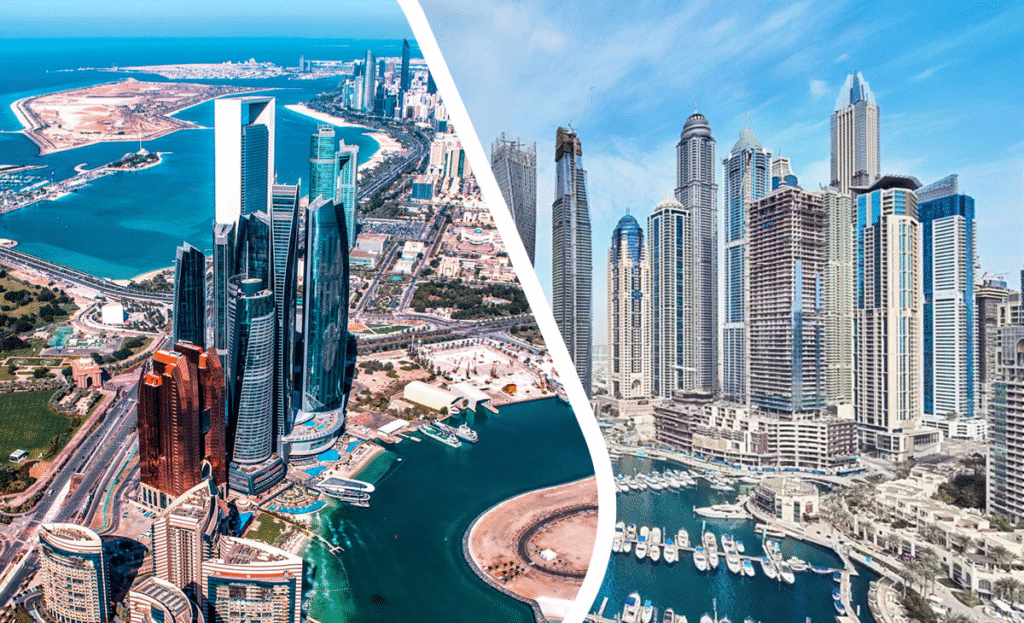
Abu Dhabi, the capital of the UAE, presents a different yet equally compelling property market. Known for its cultural landmarks and more laid-back lifestyle compared to Dubai, Abu Dhabi’s real estate options also cater to a broad spectrum of buyers.
Typically, property prices in Abu Dhabi are perceived as more stable than those in Dubai. The average price per square meter in Abu Dhabi is generally lower, making it an attractive choice for families and individuals looking for a quieter environment without sacrificing quality living standards.
When comparing Dubai and Abu Dhabi property prices, several factors come into play that can significantly affect the cost.
Both cities are influenced by the UAE’s overall economic health. When the economy thrives, property prices usually rise due to increased demand. Conversely, economic downturns can lead to price adjustments.
Location plays a pivotal role in determining property prices. In Dubai, areas close to the Burj Khalifa or the Palm Jumeirah tend to have higher prices compared to neighborhoods situated further from these landmarks. Similarly, in Abu Dhabi, waterfront properties or those near government institutions are often priced at a premium.
The type of property also influences the price. High-end luxury apartments in Dubai can reach astronomical figures, while villas and townhouses may offer more competitive pricing in both cities. In Abu Dhabi, the availability of larger family homes at reasonable prices has become increasingly appealing, especially for expatriate families.
Both cities have implemented various policies to attract foreign investment. For instance, government initiatives to provide long-term visas for property investors can have a positive impact on prices. Understanding these regulations can help buyers gauge the market trends effectively.
While property prices are a significant factor, it’s essential to consider the overall living costs in both cities.
Utilities, including electricity and water, can vary between Dubai and Abu Dhabi. Generally, Abu Dhabi has lower utility costs, which can affect the overall affordability of living in the capital compared to Dubai.
Dubai is often seen as the more expensive of the two cities, especially when it comes to dining out, entertainment, and recreational activities. Abu Dhabi, while still offering a luxurious lifestyle, tends to provide slightly lower costs for everyday activities, making it a more budget-friendly option for many.
Public transport systems are well-developed in both cities. However, Dubai boasts a more extensive metro system, which can be a cost-effective travel option for residents. Abu Dhabi is more car-oriented, and while this can be convenient, it may lead to additional expenses related to fuel and parking.
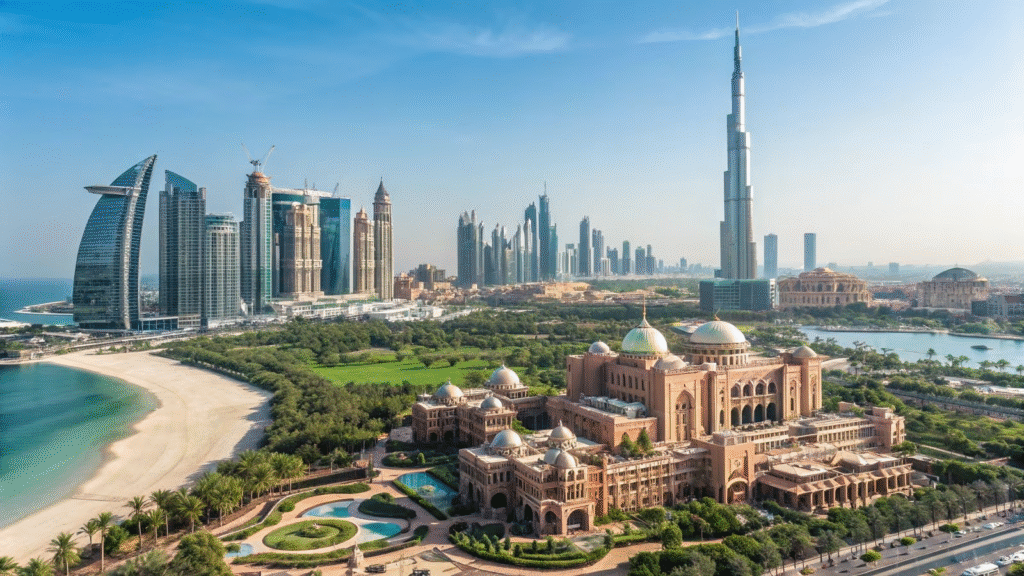
Investors often seek not just immediate returns but also long-term value appreciation.
Dubai’s property market has historically offered high rental yields, making it an attractive option for investors. The diverse range of properties, coupled with the city’s global appeal, ensures that there is always demand in the rental market.
Abu Dhabi promises a more stable rental market, which can be appealing for risk-averse investors. The city’s consistent demand for housing, driven by government employees and expatriates, ensures a steady rental income.
When comparing Dubai vs Abu Dhabi property prices, both cities have unique advantages and challenges. Dubai offers a dynamic and often more lucrative market, while Abu Dhabi provides stability and affordability.
Ultimately, your decision should be based on your lifestyle preferences, investment goals, and financial capacity. Whether you lean towards the bustling energy of Dubai or the serene charm of Abu Dhabi, understanding the nuances of property pricing in each city is crucial for making an informed choice.
Do Follow Estate Magazine on Instagram
Read More:- Sharjah Real Estate Market vs Dubai: Powerful Differences Investors Can’t Ignore