When it comes to real estate investment, the choices are endless. However, two markets that have consistently captured the attention of investors are Dubai and Indian metros. Each offers unique advantages, challenges, and opportunities that can significantly affect returns on investment. In this article, we will delve into the intricacies of comparing real estate investment returns in Dubai versus Indian metros, exploring their market dynamics, growth potential, and what investors can expect in the coming years.
Dubai has long been renowned for its extravagant lifestyle, world-class infrastructure, and a booming economy. The real estate market here is characterized by high demand and a diverse range of properties that cater to both luxury and budget-conscious buyers.
One of the key factors driving the Dubai real estate market is its strategic location. As a gateway between the East and West, Dubai attracts a multitude of expatriates and businesses, which keeps the demand for residential and commercial properties high.
Moreover, the UAE government has implemented various initiatives to attract foreign investment. These include long-term residency visas for property buyers and favorable tax policies. As a result, many investors see Dubai as a safe haven for capital growth.

Contrasting with Dubai, Indian metros, such as Mumbai, Delhi, and Bangalore, present a different investment landscape. These cities are marked by rapid urbanization, a growing middle class, and an increasing demand for housing.
The Indian real estate market has its own set of dynamics, influenced by factors such as government policies, infrastructure development, and economic growth. For instance, the introduction of the Real Estate Regulatory Authority (RERA) has improved transparency and accountability in the sector, making it more attractive for investors.
However, challenges like bureaucratic hurdles, varying state regulations, and market volatility can affect returns. While Indian metros promise high growth potential, the returns can be unpredictable and require a more hands-on approach for investors.
When comparing real estate investment returns between Dubai and Indian metros, several factors come into play.
In Dubai, capital appreciation has been substantial over the past decade. The promise of a flourishing economy and attractive lifestyle has led to a significant increase in property values. While there might be fluctuations in the market, the long-term trend suggests a resilient growth trajectory.
On the other hand, Indian metros have seen variable capital appreciation. While cities like Bangalore have experienced rapid growth, others like Mumbai have faced challenges such as oversupply, leading to stagnation in prices. Thus, while the potential for high returns exists, it is crucial to analyze specific locations and market conditions within India.
When evaluating rental yields, Dubai tends to offer higher returns compared to many Indian metros. The average rental yield in Dubai can be around 5% to 7%, depending on the location and type of property. With a steady influx of expatriates, the demand for rental properties remains strong.
Conversely, rental yields in Indian metros often range from 2% to 4%. Factors such as the urban housing shortage and the growing demand for affordable housing may lead to increased rental income over time, but it often comes with the caveat of higher maintenance and management costs.
The debate of market correction versus sustained growth plays a significant role in the decision-making process for investors.
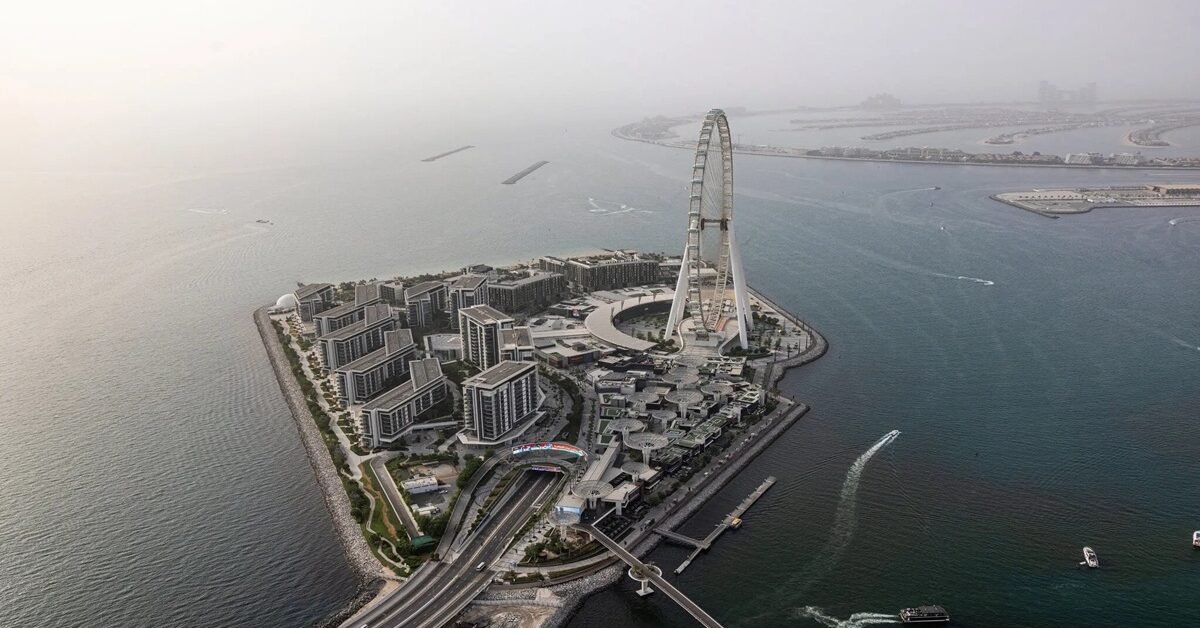
Dubai has experienced its share of market corrections, particularly after the global financial crisis. Though the market faced challenges, it rebounded quickly due to its diversification and investments in tourism and technology. This resilience makes Dubai a strong contender for long-term investment, as the government continues to push for innovation and economic diversification.
In contrast, Indian metros are in a state of continuous growth, albeit with fluctuations. Economic policies and infrastructure improvements contribute to a more organic growth pattern, but the market can be susceptible to economic changes. For instance, the recent push for smart cities and infrastructure projects is expected to drive growth in the coming years.

Choosing between investing in Dubai or Indian metros ultimately depends on an investor’s goals, risk tolerance, and market understanding.
For those seeking immediate returns and high rental yields, Dubai may be more appealing. Its market is often seen as more stable with clear regulations and a global appeal.
On the other hand, investors willing to navigate the complexities of the Indian market may find lucrative long-term opportunities. The potential for capital appreciation in rapidly developing areas can far exceed that of more established markets, provided the right choices are made.
In conclusion, comparing real estate investment returns between Dubai and Indian metros reveals a nuanced landscape. Both markets have their unique strengths and weaknesses that cater to different types of investors.
Dubai offers a more stable environment with higher rental yields, while Indian metros provide opportunities for substantial capital appreciation over time. Understanding the nuances of each market is crucial for any investor looking to make informed decisions.
Ultimately, the choice between Dubai and Indian metros boils down to individual investment strategies and long-term goals. Whether you lean towards the luxurious allure of Dubai or the vibrant opportunities within Indian metros, both markets hold promise for savvy investors.
Do Follow Estate Magazine on Instagram
Read More:- Best Cities in India: 7 Smart, Profitable Picks for UAE NRIs