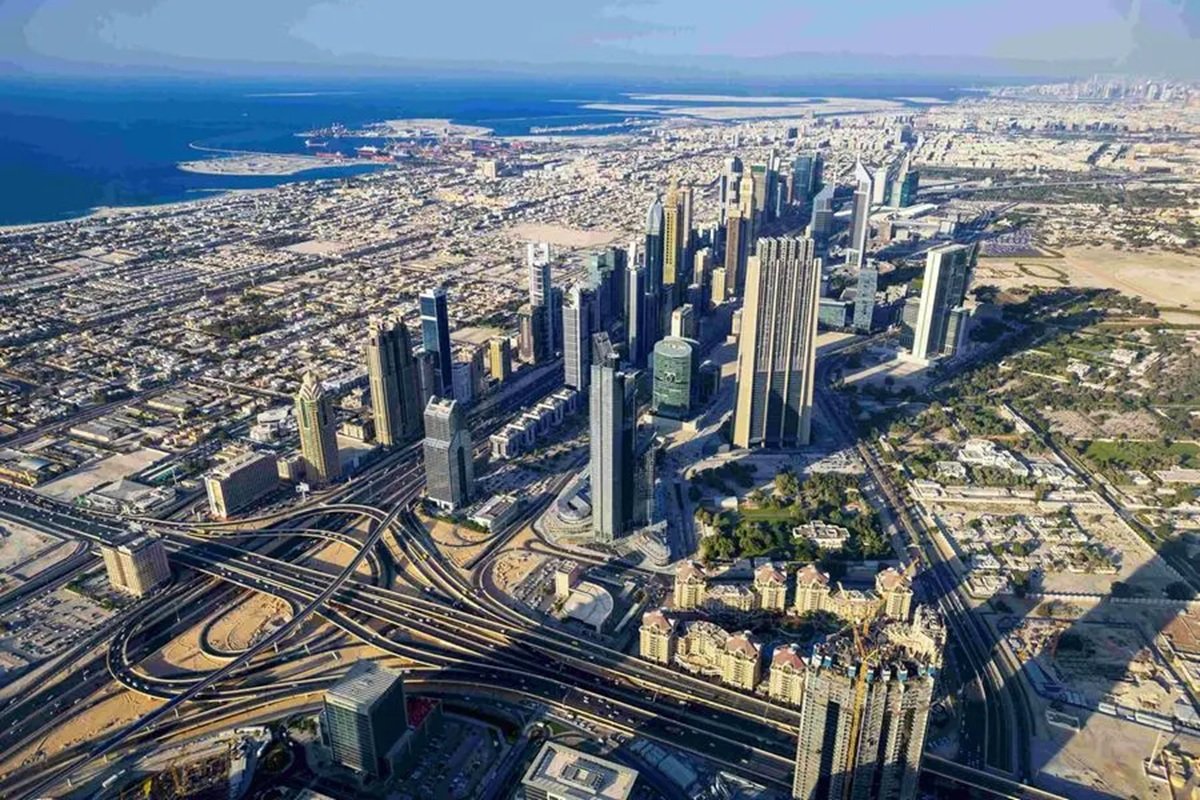
The real estate landscape can vary dramatically from one country to another, influenced by cultural, economic, and regulatory factors. When comparing how Dubai treats real estate agents versus India, the differences in agent perception and operational dynamics become strikingly clear. This article delves into these contrasts, shedding light on the experiences and perceptions of real estate agents in both regions.
In Dubai, real estate agents are often regarded as vital players in the property market. The city’s booming real estate sector, driven by foreign investments and a diverse expatriate community, creates a unique environment where agents are valued for their expertise and role in facilitating transactions.
Dubai’s real estate agents experience a supportive framework that includes advanced technology, training, and marketing resources. The government’s investment in infrastructure and urban development has further solidified the perception of agents as trusted advisors in a vibrant market. Clients often view agents not just as salespeople, but as knowledgeable consultants who can guide them through the complexities of buying property in a foreign land.

In contrast, the perception of real estate agents in India can be mixed. While there are highly professional agents who are dedicated and knowledgeable, the industry also faces challenges that affect agent perception. Factors such as a lack of standardization, varying levels of professionalism, and instances of unethical practices can tarnish the reputation of real estate agents in the eyes of the public.
Despite these challenges, there are numerous opportunities for growth and improvement. The Indian real estate sector has been undergoing significant changes with the introduction of regulatory reforms like RERA (Real Estate Regulation and Development Act). These initiatives aim to enhance transparency and professionalism, which in turn can elevate the perception of agents over time.
One of the most notable differences between Dubai and India lies in the training and support provided to real estate agents. In Dubai, agencies often invest heavily in the continuous education of their agents. Training programs focus on market trends, negotiation skills, and compliance with local laws, ensuring that agents remain competitive and knowledgeable.
In India, however, training and support can vary widely among agencies. While some companies prioritize agent development, many others may not offer adequate resources. This discrepancy can lead to a mixed perception of agents, where some are seen as highly skilled professionals while others are viewed with skepticism due to a lack of formal training and industry knowledge.
When it comes to earnings, real estate agents in Dubai often enjoy more lucrative compensation structures compared to their Indian counterparts. In Dubai, commission rates are generally higher, and agents have the potential to earn significant income through successful property transactions. This financial incentive attracts many talented individuals to the field, reinforcing the perception of real estate agents as esteemed professionals.
In India, commission rates can be lower and less standardized, which can result in inconsistent earnings for agents. This situation can contribute to a perception of real estate as a less stable career choice, potentially deterring individuals from pursuing it as a long-term profession.
Cultural factors play a significant role in shaping how real estate agents are perceived in both Dubai and India. In Dubai, the multicultural environment fosters a sense of trust and professionalism. Clients from various backgrounds often appreciate the expertise that agents bring, leading to a collaborative relationship based on mutual respect.
Conversely, in India, traditional norms and practices can sometimes lead to a degree of skepticism towards real estate agents. Many clients may prefer to rely on personal contacts or family recommendations when making significant property decisions. This can create a barrier for new agents trying to establish credibility in the market.
Technology is rapidly transforming the real estate industry globally, and both Dubai and India are no exceptions. In Dubai, advanced technology platforms enhance agent visibility and streamline transactions, further elevating their status in the market. Tools such as virtual tours, online listings, and data analytics empower agents to provide exceptional service, reinforcing their role as trusted advisors.
In India, while technology adoption is on the rise, there is still a gap in the utilization of digital tools among many agents. This can hinder their ability to compete effectively and shape a positive perception. As technology continues to evolve, those who embrace it will likely improve their standing in the eyes of clients.
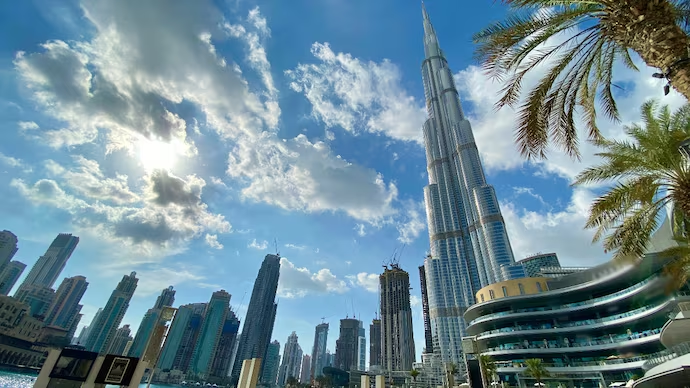
As both markets evolve, the future of real estate agents in Dubai and India looks promising. In Dubai, sustained growth and ongoing investment in training and technology will likely maintain the positive perception of agents. The city’s focus on creating a favorable business environment ensures that agents will continue to play a crucial role in the real estate ecosystem.
In India, the ongoing regulatory reforms and increasing professionalism within the industry suggest a shift in agent perception is on the horizon. As more agents embrace technology and prioritize ethical practices, the potential for a more respected and trusted profession is within reach.
The contrasting experiences of real estate agents in Dubai and India reveal much about the broader dynamics of each market. While Dubai treats its agents with a level of respect and provides resources that enhance their standing, India is on a journey toward better recognition and professionalism. As both markets continue to evolve, the perception of real estate agents will undoubtedly transform, driven by cultural shifts, regulatory changes, and technological advancements.
In summary, understanding how Dubai treats real estate agents versus India not only highlights the current state of the industry but also points to future potential. As both regions develop and adapt, the perception and role of real estate agents will play a pivotal role in shaping the landscape of property transactions.
Do Follow Estate Magazine on Instagram
Read More:- Property Agency Rules in UAE: 7 Powerful Insights for Smarter Investments