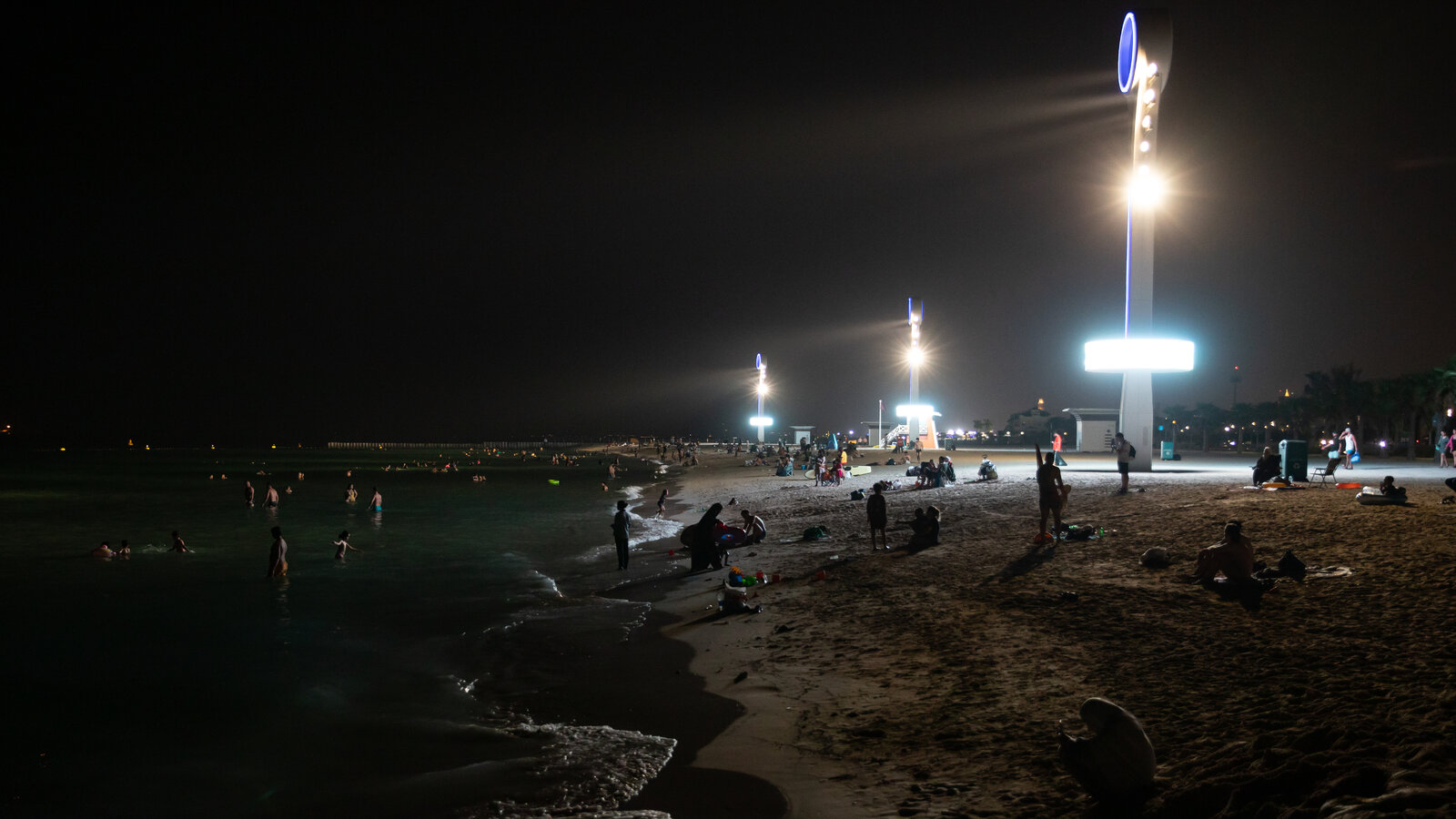
Dubai, the shining jewel of the United Arab Emirates (UAE), has become a global symbol of growth and Development and innovation. Once a desert trading port, Dubai today is a world-class hub for business, tourism, technology, and state-of-the-art infrastructure. The city’s development story is not just about skyscrapers and luxury it is also about strategic planning, state-backed initiatives, and a commitment to building a sustainable future.
Dubai’s transformation began in the late 20th century when the leadership invested heavily in diversifying the economy beyond oil. Visionary strategies like Dubai Plan 2021 and now Dubai Economic Agenda D33 have positioned the emirate as a forward-looking state focused on long-term growth.
Today, Dubai is ranked among the most competitive economies in the world. Its success lies in balancing state-led development with private sector partnerships, making it a hotspot for international investors and entrepreneurs.
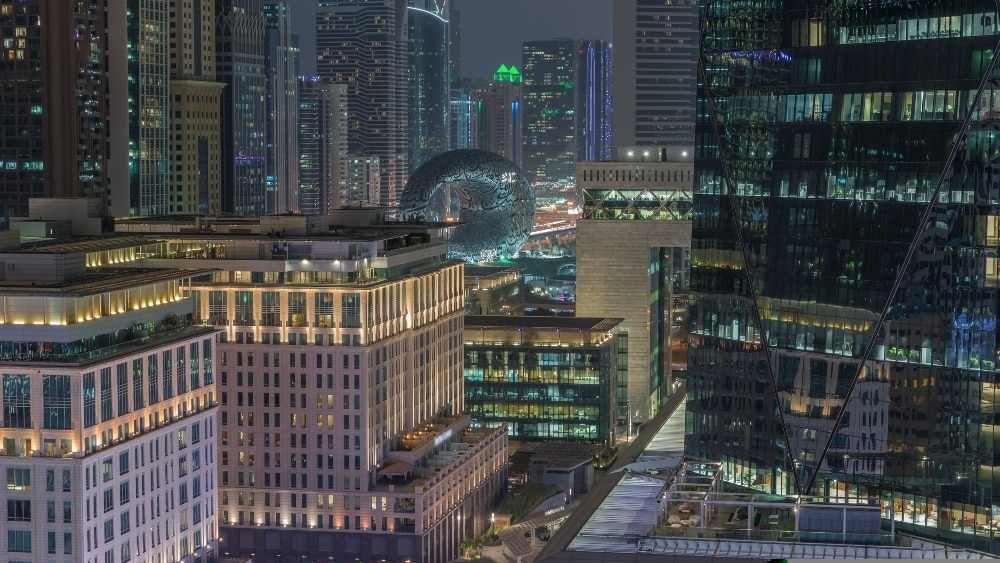
One of the key highlights of Dubai’s development has been its world-class infrastructure. The city boasts the busiest airport for international travelers Dubai International Airport (DXB) and the world’s tallest tower, Burj Khalifa, which symbolizes ambition and architectural excellence.
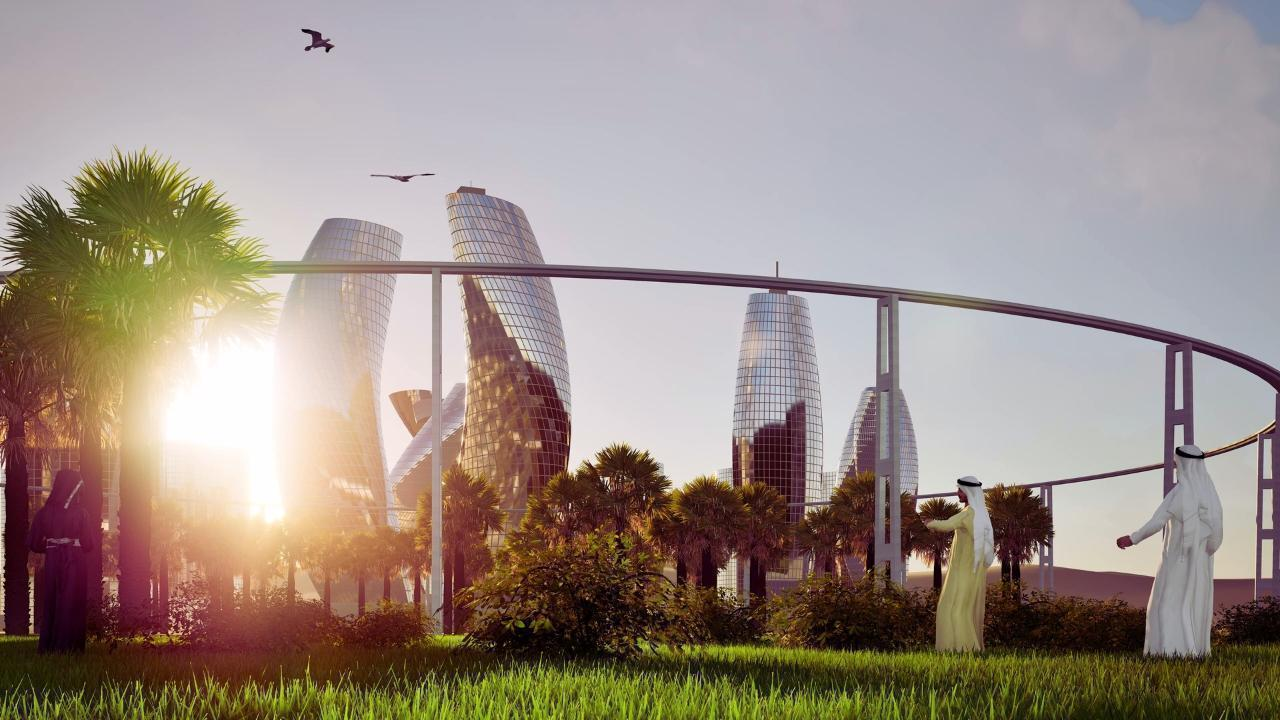
The government continues to invest in smart infrastructure. The Dubai 2040 Urban Master Plan envisions green spaces, sustainable transport, and high-quality living areas, ensuring residents and visitors enjoy a modern yet eco-friendly lifestyle. Mega-projects like Dubai Creek Harbour, Expo City Dubai, and Palm Jebel Ali underline the state’s focus on combining urban luxury with environmental awareness.
Dubai is rapidly evolving into a global tech hub. With government-led initiatives such as Dubai Internet City, Dubai Silicon Oasis, and the Dubai Future Foundation, the state is attracting startups and global tech giants.
The introduction of the Dubai Blockchain Strategy, artificial intelligence adoption in governance, and paperless government operations have placed the city at the forefront of digital transformation. The goal is clear: to make Dubai the smartest city in the world.
Dubai’s real estate market remains one of the strongest in the world, fueled by demand from international investors. Luxury properties, high-rise apartments, and mixed-use communities are shaping the city’s skyline. State regulations ensure transparency and innovation in real estate transactions, strengthening investor confidence.
Tourism is another crucial pillar. In 2023, Dubai welcomed over 17 million visitors, making it one of the most visited cities globally. From Burj Khalifa and Dubai Mall to cultural attractions like Al Fahidi Historic District, the government has developed a perfect balance of luxury tourism and heritage preservation. Events such as the Dubai Shopping Festival and Expo 2020 legacy projects continue to attract millions each year.
While known for luxury, Dubai has also embraced sustainability. The Dubai Clean Energy Strategy 2050 aims to generate 75% of the emirate’s energy from clean sources by 2050. Investments in solar parks, electric transport, and green buildings show the government’s determination to lead in eco-friendly development.
The Mohammed bin Rashid Al Maktoum Solar Park is the largest of its kind in the world, showcasing Dubai’s commitment to renewable energy. Sustainable communities like The Sustainable City further demonstrate how urban living can align with environmental priorities.
Dubai has become a business magnet due to its strategic location and pro-business policies. Free zones such as Dubai International Financial Centre (DIFC) and Jebel Ali Free Zone (JAFZA) give global investors tax incentives and full foreign ownership opportunities.
The state has also launched Dubai Economic Agenda D33, which aims to double the size of the emirate’s economy in the next decade and position it among the top three global cities. This includes attracting foreign investment, developing advanced industries, and expanding trade routes.
Alongside economic progress, the government has invested in healthcare, education, and social development. State initiatives ensure world-class hospitals, research centers, and universities, while programs like Dubai Health Strategy 2026 focus on creating a patient-centered healthcare system.
Dubai also consistently ranks high in terms of safety and quality of life. Its multicultural population enjoys modern amenities, world-class schools, and efficient public services. The government’s focus on happiness and wellbeing even introducing a Minister of State for Happiness shows a unique human-centered approach to governance.
Dubai is not just developing for itself it is shaping the global stage. The city hosts major international conferences, from technology and healthcare to sustainability and finance. With a diverse population representing over 200 nationalities, Dubai has become a bridge between East and West.
Its resilience during challenges such as the COVID-19 pandemic further strengthened its reputation as a reliable global hub. The government’s quick response and economic recovery plans positioned Dubai as one of the first cities to reopen safely for business and tourism.
Dubai’s state development is far from finished. The government’s Dubai 2040 Urban Master Plan outlines a city of sustainable communities, innovation-driven industries, and balanced growth. The focus is on making Dubai not only a global business capital but also a place where people want to live, work, and thrive.
The emirate’s vision is ambitious yet achievable, backed by strong governance and global partnerships. If the past two decades are any indication, Dubai will continue to lead as a model of development, combining modernity with cultural identity.
Dubai’s story is one of visionary leadership, strategic planning, and bold ambition. From desert sands to futuristic skylines, the city’s development journey highlights how state-led initiatives can transform a nation’s destiny. As Dubai continues to expand its influence on the global stage, it stands as a shining example of what is possible when innovation, sustainability, and governance work hand in hand.
READ MORE:- Inside the World of Business Acquisitions: Secrets of Corporate Growth 2025