Dubai has always been a city of ambition—a place where skylines rise as fast as ideas. For expatriates, this city isn’t just a playground for luxury; it’s a fertile ground for business opportunities. The commercial real estate market in Dubai has matured over the years, turning into one of the most sought-after investment destinations globally. From cutting-edge office spaces to retail zones and industrial hubs, Dubai offers expats a dynamic environment to build, invest, and expand.
With increasing foreign ownership rights, flexible visa options, and the city’s positioning as a global financial hub, expats are not only working here but also investing in Dubai’s vibrant commercial landscape. Whether you’re an entrepreneur looking for an office in Business Bay or an investor eyeing warehouses in Jebel Ali, understanding market trends is key to making informed decisions.
Expats make up over 85% of Dubai’s population, and many of them have turned from renters to property owners. The reason is simple—Dubai’s government has built an ecosystem that supports foreign investment. The introduction of long-term visas, freehold zones, and 100% business ownership laws has dramatically increased confidence among international investors.
Moreover, Dubai’s tax-free income environment and corporate-friendly regulations make it ideal for entrepreneurs. Investors can diversify portfolios, enjoy rental yields that are among the highest globally, and capitalize on a constantly growing business sector.
Dubai’s commercial real estate sector can be divided into four primary categories:
For expats, this diversity means multiple entry points depending on their budget, business goals, and risk appetite.
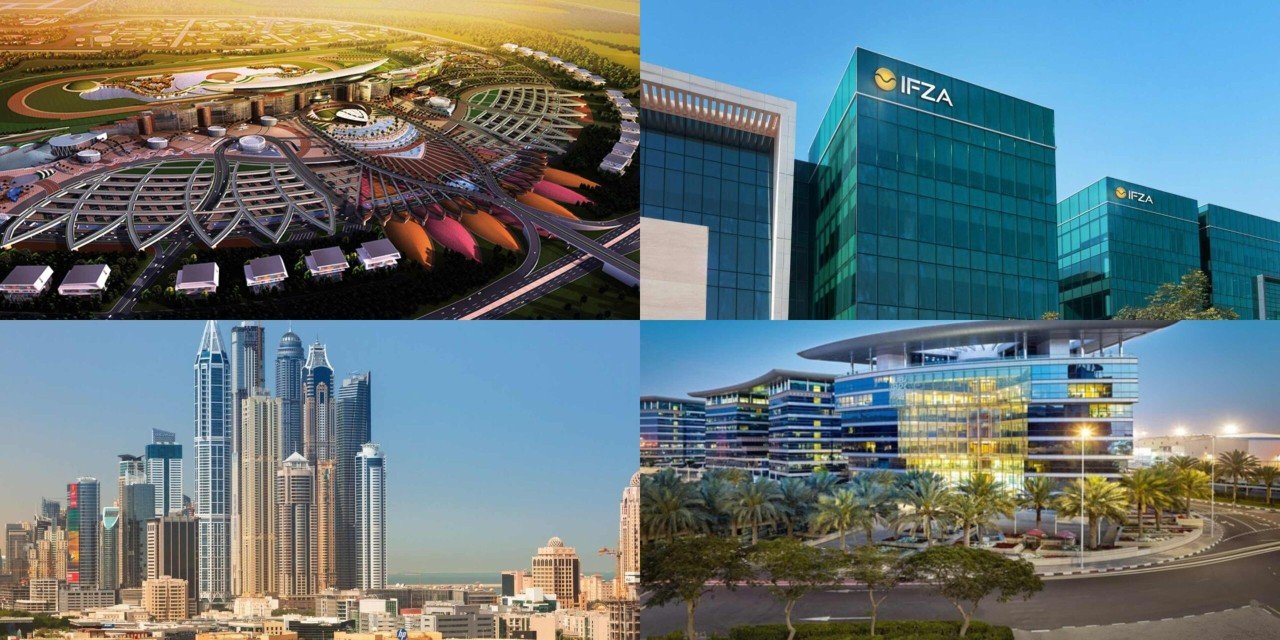
Dubai’s office market is evolving beyond traditional setups. Modern expat entrepreneurs are leaning toward coworking and serviced offices that align with hybrid work trends. Areas like Dubai Internet City, Media City, and Dubai Silicon Oasis offer innovation-driven ecosystems that attract startups, SMEs, and multinational corporations alike.
According to recent reports, the demand for premium office spaces remains robust, fueled by the city’s thriving finance, technology, and logistics sectors. Companies are prioritizing locations with access to public transport, high-speed internet, and nearby amenities.
For expat entrepreneurs, leasing or purchasing in these zones not only brings prestige but also proximity to other international players.
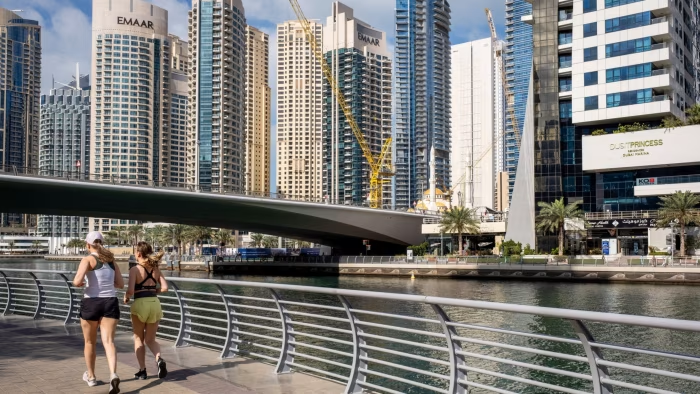
Dubai’s retail real estate market has seen a fascinating transformation. While malls remain central to the city’s culture, the post-pandemic consumer landscape has accelerated demand for smaller, localized retail spaces. Areas like Al Barsha, Jumeirah Village Circle, and Dubai Hills are seeing increased retail activity catering to residential communities.
For expat investors, this presents an interesting opportunity. Instead of competing in oversaturated mega malls, smaller boutique stores and cafes in community hubs often provide better returns and lower operating costs.
Additionally, e-commerce integration—click-and-collect stores and hybrid showrooms—has become a key trend shaping retail strategies in 2025.
Beyond the glamorous towers, Dubai’s industrial real estate market has quietly become one of the city’s strongest performers. The UAE’s commitment to becoming a global logistics powerhouse has boosted demand for warehouses, fulfillment centers, and storage facilities.
Jebel Ali Free Zone (JAFZA) and Dubai Industrial City are two prime examples of where expats can invest with confidence. The proximity to ports, airports, and highways makes these zones ideal for logistics and trade businesses.
Rental yields in industrial properties often outperform other segments due to long-term leases and consistent demand from supply chain operators. For expats in manufacturing or distribution, this is a market segment worth exploring deeply.
The city’s market dynamics are constantly shifting, and expats need to stay ahead of the curve. Here are some key trends shaping Dubai’s commercial real estate in 2025:
The UAE government continues to roll out initiatives to make Dubai the most investor-friendly city in the world. For expats, the introduction of long-term Golden Visas and the ability to own 100% of businesses in many sectors have been game changers.
Moreover, property ownership in designated freehold areas allows expats to purchase commercial units without the need for local sponsorship. Business setup processes have also become faster and more transparent through digital platforms like the Dubai Land Department (DLD) and Dubai Economy.
Dubai offers a range of hotspots catering to different investor profiles:
Each area has its unique character, pricing, and potential for appreciation, allowing expats to align their investment with business needs.
Before diving into Dubai’s commercial market, expats should consider strategic factors to ensure long-term success:
While Dubai offers immense opportunity, it’s essential to acknowledge potential challenges:
However, with the right guidance and due diligence, these challenges can be mitigated effectively.
The next decade promises sustained growth for Dubai’s commercial property sector. With continuous urban expansion, the rise of smart city projects, and the increasing influx of global talent, demand for well-located and technologically advanced commercial spaces will only rise.
The integration of AI, data analytics, and sustainability into property management will further elevate Dubai’s global standing as a commercial hub. For expats, this means not just participating in a market but shaping its future.
Dubai’s vision to position itself as the world’s business capital aligns perfectly with the aspirations of international investors seeking long-term returns and stability.
For expatriates, Dubai’s commercial real estate market offers more than profit—it offers participation in one of the world’s most visionary cities. From premium office towers to industrial powerhouses, every property type tells a story of innovation and ambition.
The city’s progressive reforms, futuristic infrastructure, and investor-centric policies make it one of the safest and most rewarding destinations for expat investors. Whether you’re looking to set up a business, diversify assets, or secure long-term growth, Dubai’s commercial landscape stands ready to welcome you with open arms.
Do Follow Estate Magazine on Instagram