Dubai is known for its glittering skyscrapers, luxury lifestyle, and thriving tourism industry. But behind the glamorous surface, the city runs on something more essential its food supply. With millions of residents and visitors, Dubai’s food demand is massive and constant. To keep the city well-fed, a network of wholesale food markets works day and night. These markets are the hidden backbone of Dubai’s food economy, ensuring fresh produce, seafood, spices, and meat reach restaurants, hotels, supermarkets, and homes on time.
In this report, we take a look behind the scenes of Dubai’s food wholesale markets—how they operate, what makes them unique, and why they are vital to the city’s future.
Dubai’s food wholesale markets are not ordinary marketplaces. They are massive hubs designed to handle thousands of tons of food every single day. One of the most well-known is the Dubai Central Fruit and Vegetable Market in Al Aweer. Spread over hundreds of shops and warehouses, this market supplies the majority of fruits and vegetables consumed in the emirate.
Every morning, trucks loaded with fresh produce arrive from different parts of the world—India, Iran, Pakistan, Africa, and Europe. Boxes of mangoes, apples, onions, and exotic vegetables are unloaded, inspected, and auctioned to buyers. Hotels, restaurants, and supermarket chains send their representatives to strike deals, while smaller vendors and wholesalers buy in bulk for distribution across the city.
Similarly, the Dubai Fish Market, located near Deira Waterfront Market, is a place where seafood lovers and professionals gather. From kingfish and hammour to lobsters and crabs, the market offers a wide range of fresh catch. Most of the seafood comes from local fishermen, while a significant portion is imported from Oman, India, and even Norway.
Dubai imports about 80–90% of its food, as the desert climate limits local farming. This makes the role of wholesale markets even more critical. The supply chain usually follows this pattern:
The process is designed to be fast and efficient, as freshness is everything in the food business. Dubai’s strict food safety regulations also ensure that only high-quality products make it to the shelves.
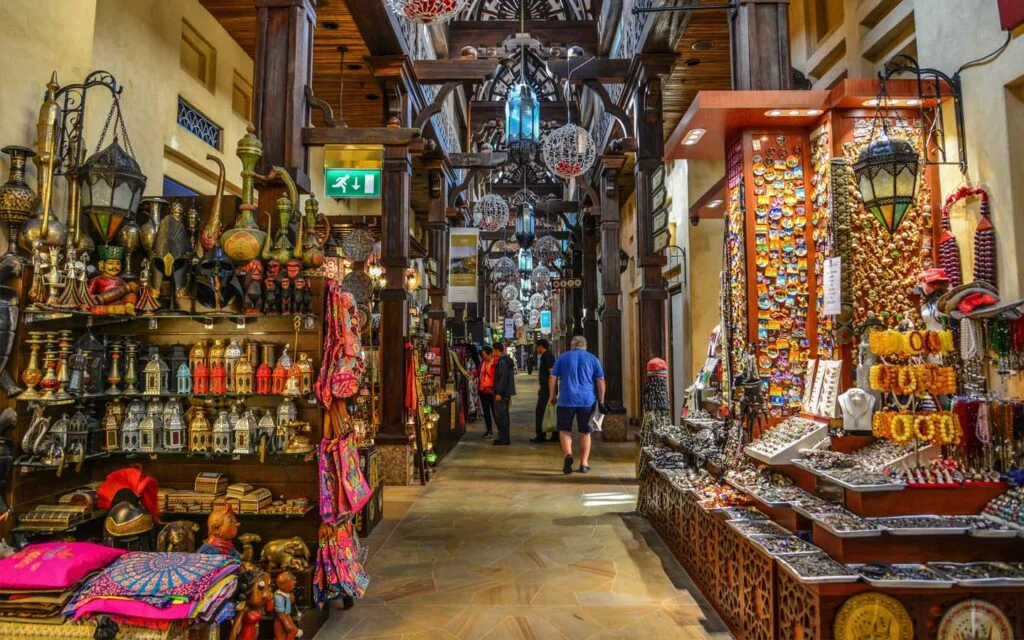
Behind the numbers and logistics are people vendors, traders, buyers, and workers who keep the system running. At dawn, workers can be seen unloading crates, organizing stalls, and preparing for a day of trading. For many, this work is tough but rewarding.
Market vendors often develop strong personal connections with their buyers. A restaurant chef might rely on a particular fruit trader for the freshest strawberries, or a hotel supplier may trust a seafood seller for consistent quality. These relationships, built on trust, are the unseen threads holding the market together.
There’s also a lively atmosphere in these markets. Bargaining, laughter, and the rush of trade create an energy that feels both traditional and modern. For first-time visitors, the hustle can be overwhelming, but for insiders, it’s the heartbeat of the city’s food economy.
Over the past decade, Dubai has been modernizing its wholesale markets. Many are shifting from traditional bargaining stalls to digitized platforms. Online auction systems, digital payments, and cold storage technologies have improved transparency and efficiency.
For instance, the Dubai Municipality has introduced smart systems to monitor food quality in real-time. Sensors in storage facilities ensure that temperatures remain stable, reducing food waste. Some wholesale traders now use apps to showcase available stock, allowing restaurants to place orders without physically visiting the market.
This modernization is not just about convenience it’s also about sustainability. With Dubai aiming to reduce food waste and build food security, technology plays a crucial role in tracking inventory and demand.
While Dubai’s food wholesale markets are highly successful, they also face challenges:
Despite these challenges, wholesale markets continue to thrive due to their variety, scale, and trust built over decades.
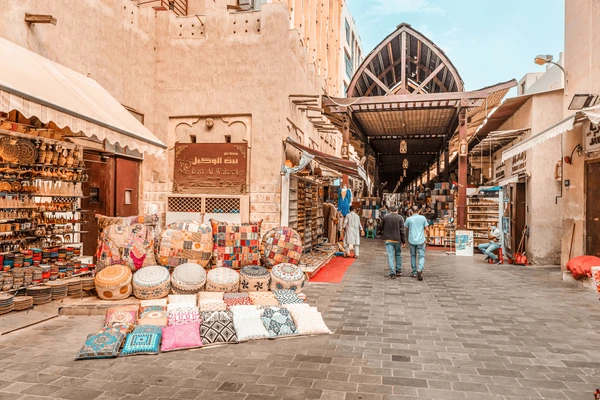
Dubai has positioned itself as a global business hub, and food is central to its identity. With millions of tourists and expatriates from over 200 nationalities, the city’s food culture is diverse. Wholesale markets make this diversity possible, ensuring everything from Filipino mangoes to French cheese is available within hours.
The government is also pushing for food security strategies, such as encouraging vertical farming and hydroponics within the UAE. However, until local production can meet a larger share of demand, wholesale markets will remain the backbone of supply.
They are not just trading hubs they are cultural spaces that reflect Dubai’s global connections. Walk through them, and you’ll see products from every corner of the world, reminding you how interconnected food really is.
Dubai’s food wholesale markets are more than just supply centers they are lifelines that keep the city running. From the bustling fruit stalls of Al Aweer to the buzzing seafood auctions in Deira, these markets showcase the hard work, resilience, and innovation behind Dubai’s food industry.
Next time you enjoy a five-star meal at a Dubai restaurant or shop for fresh produce at your local supermarket, remember that it likely started its journey in one of these markets. Hidden in plain sight, they are the silent engines that keep Dubai well-fed, fresh, and thriving.
Read More:- Shobha Realty Launches Its Most Luxurious Project Yet—Full Details Inside 2025