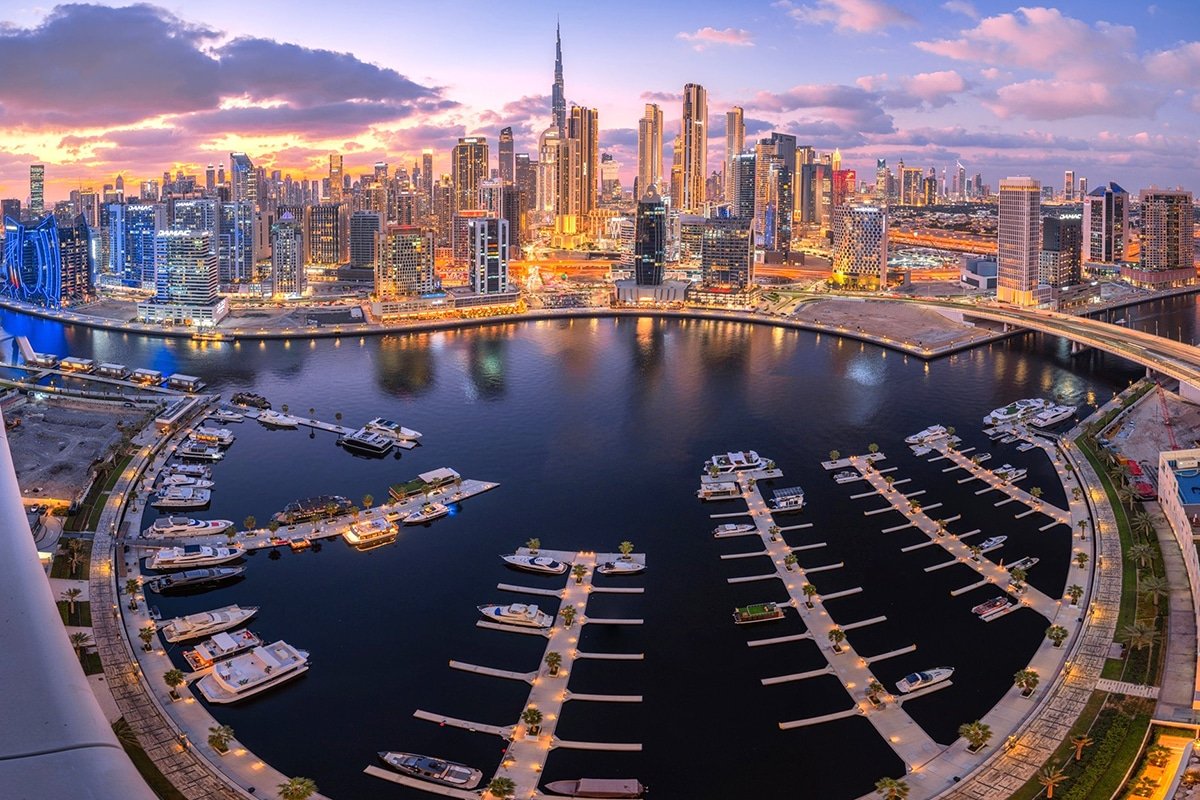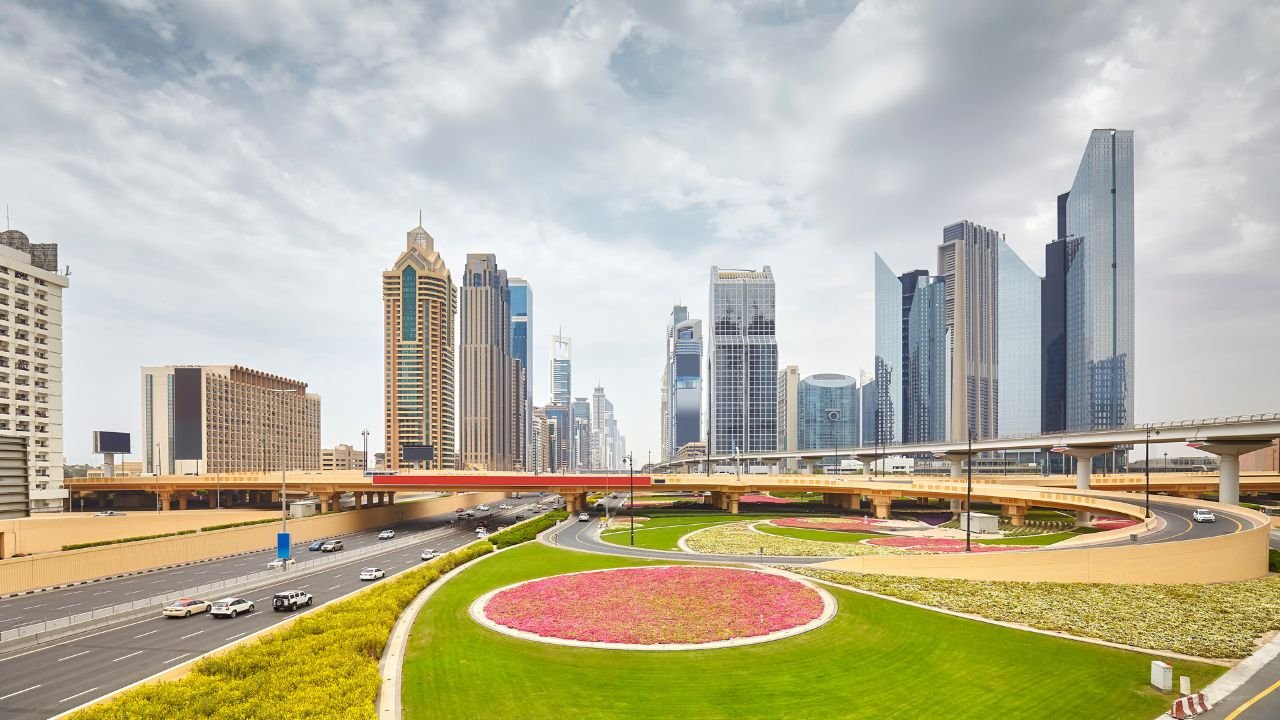
Dubai’s real estate market has entered a new chapter—one that isn’t loud, flashy, or aggressively marketed. It’s a quiet boom, unfolding beneath the surface while most attention goes to the city’s luxury launches and record-breaking price tags. Yet this silent surge may be the most important market shift in years, especially for long-term investors and residents looking for real value.
The real story is not in the billion-dirham penthouses grabbing headlines. It’s in the steady demand, the overlooked communities, and the structural changes quietly shaping the next decade of Dubai property. While many believe the best time to enter the market has passed, the truth is that a more grounded and sustainable wave of growth is now forming—one that is creating opportunities for those who know where to look.
This boom is not fueled by quick flips or unrealistic expectations. A large percentage of new buyers are end-users—families, professionals, and long-term expats planning their future in the UAE. They are choosing Dubai for stability, security, and lifestyle, not short-term gains, which creates healthier demand and reduces price volatility.
Programs like 10-year Golden Visas and improved residency options are encouraging people to commit to homeownership rather than renting endlessly. As more residents view Dubai as a permanent or semi-permanent base, demand for mid-range and upper-mid-range homes continues to climb quietly but consistently.
The shift toward larger homes, better community living, and wellness-focused developments has created long-term demand that isn’t tied to market hype. People are choosing neighbourhoods for schools, green spaces, accessibility, and overall quality of life—factors that drive stable property appreciation.
Communities like Arabian Ranches, JVC, Dubai Hills Estate, and Motor City are witnessing organic appreciation, not because of sudden market noise, but because they offer livability, stability, and well-developed infrastructure.
These communities rarely make headlines, yet their year-on-year price growth remains one of the most reliable indicators of Dubai’s real estate maturity.
Dubai’s growth is no longer limited to the central zones. Suburban locations such as Dubai South, Damac Hills 2, and Town Square are attracting young families, first-time buyers, and long-term investors.
These areas offer affordability without compromising lifestyle, and that balance is becoming a major driver of the quiet boom.
While Palm Jumeirah and Dubai Marina continue to dominate luxury conversations, newer master-planned waterfront communities are gaining momentum under the radar. These developments offer modern amenities, clean urban planning, and long-term appeal that investors often overlook until prices climb significantly.
In the past, Dubai’s market cycles were dominated by oversupply concerns. That has quietly changed. Developers are now more cautious, phasing releases strategically and focusing on sustainable delivery timelines. This controlled approach is preventing inventory gluts and supporting price stability.
Previously, off-plan sales were driven largely by investors seeking quick flips. Now, many end-users are booking off-plan homes because they trust Dubai’s development standards, payment structures, and long-term urban vision. This consumer confidence is strengthening off-plan markets quietly but powerfully.
Rentals across Dubai have seen steady increases, especially in family-friendly and centrally located neighbourhoods. As rents rise, buying becomes a more practical option for many residents. This shift is accelerating buyer conversion, adding further demand to the property market.
Stable employment, global business migration, and growing industries like tech, hospitality, and finance are creating real demand. This economic momentum is laying a strong foundation under the property market, making the current boom far more sustainable than previous ones.
Dubai’s reputation as a safe, tax-friendly, and opportunity-rich city is attracting global investors and residents from regions facing instability or high living costs. This steady inflow of people supports long-term real estate absorption rather than short-lived spikes.
From urban expansion plans to smart city initiatives, Dubai’s long-term strategy is designed to support population growth and enhance living standards. These policies create confidence, which in turn fuels consistent property demand.
The neighbourhoods growing in silence often deliver the best long-term returns. Buyers who explore emerging or underrated areas today can benefit from appreciation as infrastructure matures and demand builds.
For residents planning to stay in Dubai for several years, buying during a stable growth phase offers predictable value. End-users can lock in payments, avoid rising rents, and invest in long-term community living.
Short-term flips are becoming less reliable. Long-term rentals, well-located townhouses, and community-focused developments offer stronger and more stable returns. Investors who choose assets based on lifestyle appeal will position themselves ahead of the next wave of demand.
Some buyers are waiting for a “big price correction,” but current market dynamics show steady demand and limited oversupply. Delaying a purchase may mean facing higher prices or fewer choices in the future.
Many buyers remain fixated on central Dubai, overlooking suburbs that offer better value and stronger growth potential. By the time these areas receive wide attention, price jumps have often already happened.
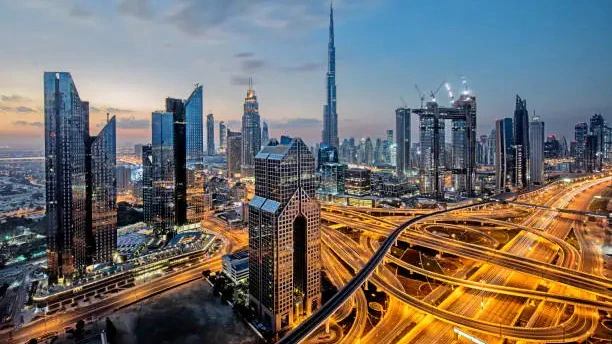
While Dubai offers competitive service charges and maintenance costs, buyers still need clarity about long-term expenses. Knowing these details helps avoid surprises and improves investment decisions.
Developments that offer walkability, greenery, wellness facilities, and convenient retail options are shaping the future of Dubai. These features enhance lifestyle and property value simultaneously.
The appetite for practical, comfortable living is rising. Buyers are seeking functional layouts, efficient use of space, and modern amenities rather than oversized or overly extravagant properties.
As more families, professionals, and global citizens choose Dubai as home, property absorption will remain strong. This population growth is one of the biggest reasons the quiet boom may continue well into the next decade.
Dubai’s quiet property surge isn’t about hype or headlines. It’s about real demand, real lifestyle shifts, and real value being created across communities. This is a market evolving with purpose, maturity, and long-term strength.
Those who pay attention to the subtle signals—the growth of suburban hubs, the rise of end-users, and the strategic shift in development—will be able to make smarter, more confident decisions. While much of the world focuses on Dubai’s luxury glamour, the real story is happening quietly, shaping the future of property for those ready to see it.
Do Follow Estate Magazine on Instagram
Read More:- Why Eagle Heights in Dubai Sports City is a Smart Investment 2025