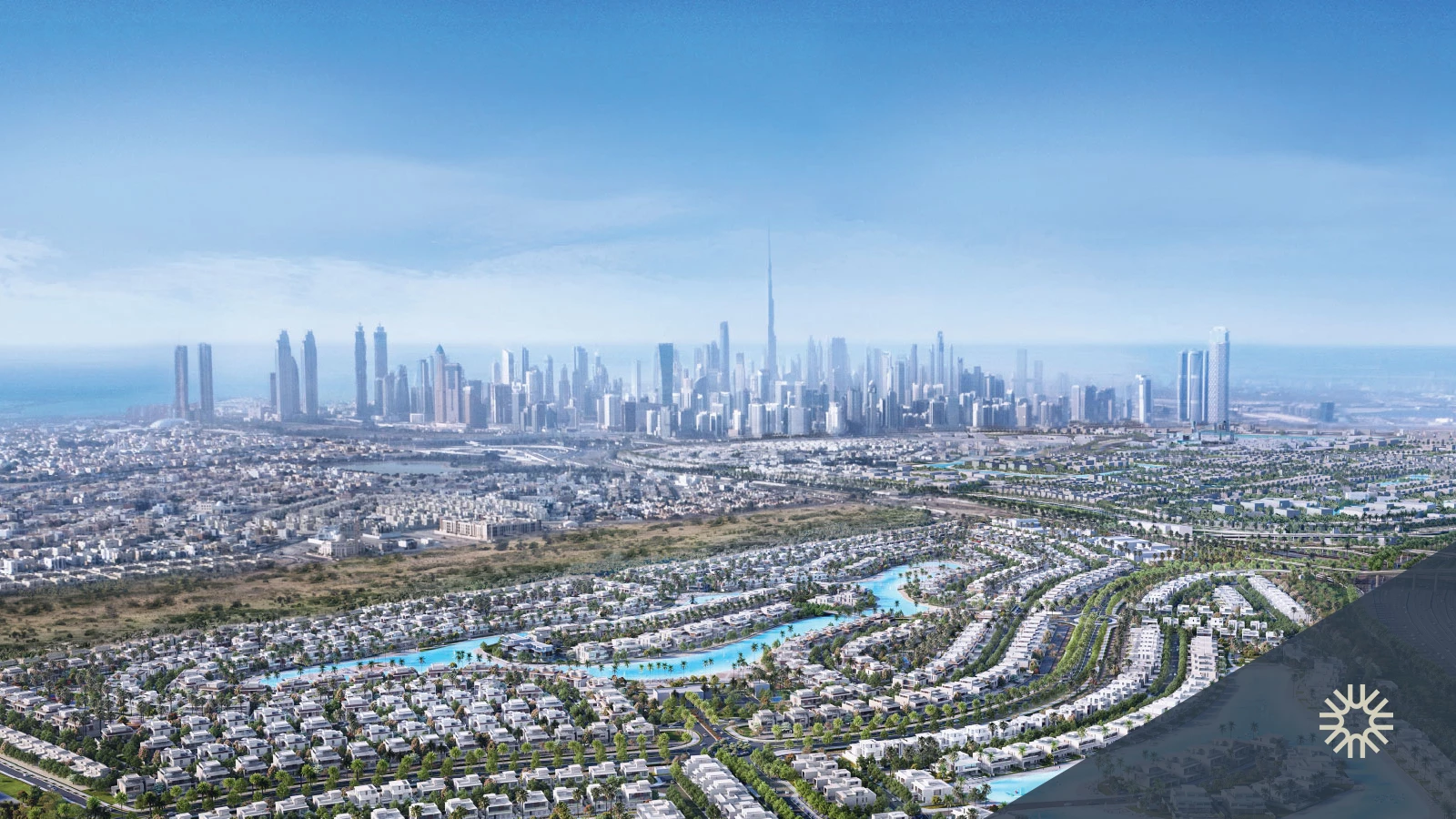
Dubai’s real estate market has always been a story of ambition, innovation, and bold vision. In 2025, that story is being rewritten through a powerful new theme: wellness-led living. More than a trend, wellness-focused districts are becoming a defining force behind high-value property demand, reshaping how people choose homes, communities, and investments across the city.
As global lifestyles evolve, buyers are no longer looking only for luxury finishes or iconic views. They want healthier environments, balanced living, and communities that support both physical and mental wellbeing. Dubai has moved quickly to meet this demand, positioning wellness-led districts as the future of premium real estate.
Wellness has shifted from being a personal choice to a collective lifestyle movement. Across the world, people are reassessing how and where they live, placing greater value on clean air, green spaces, walkability, and access to holistic health services.
The past few years have reshaped priorities. Homebuyers now want spaces that promote calm, reduce stress, and improve daily quality of life. In Dubai, this shift is especially visible among end-users and high-net-worth individuals seeking long-term value beyond short-term returns.
Properties that support wellness are no longer considered optional upgrades. They are becoming essential decision-making factors.
Luxury in 2025 is no longer just about size or status. It is about how a home makes you feel. Natural light, fresh airflow, green surroundings, and wellness-focused amenities are redefining what premium living means in Dubai’s property market.
Dubai’s wellness-led districts are carefully planned ecosystems designed to support healthier lifestyles at every level. These communities integrate nature, technology, and thoughtful urban design to create balanced living environments.
One of the most visible features of wellness districts is the emphasis on greenery. Parks, landscaped walkways, water features, and tree-lined streets are central to community planning. These elements not only enhance aesthetics but also contribute to mental clarity and emotional wellbeing.
In a fast-paced city like Dubai, access to nature within residential areas has become a major value driver.
Wellness-led districts encourage movement. Pedestrian-friendly streets, cycling tracks, jogging paths, and outdoor fitness zones make active living effortless. Residents can walk to cafes, schools, wellness centers, and retail spaces without relying heavily on cars.
This design approach supports healthier routines while building stronger community connections.
Unlike traditional developments where gyms and pools were add-ons, wellness districts place holistic health at the center. Yoga studios, meditation spaces, spa facilities, wellness clinics, and organic food outlets are now integral parts of residential communities.
These amenities directly impact property desirability and long-term value.
The growing appeal of wellness-focused living is directly influencing real estate prices and buyer behavior across Dubai.
Wellness-led communities attract affluent buyers who are willing to pay a premium for healthier lifestyles. These buyers often include entrepreneurs, executives, global professionals, and families seeking long-term residences.
For investors, this translates into higher capital appreciation and stable rental demand.
Dubai continues to attract international residents, many of whom come from markets where wellness living is already well-established. For these buyers, wellness-led districts align with global living standards and lifestyle expectations.
This international demand further pushes up property values in wellness-focused areas.
Wellness-led districts require thoughtful planning and significant investment, making them less common than conventional developments. This limited supply, combined with rising demand, creates a natural upward pressure on prices.
Properties in such communities are increasingly seen as future-proof assets.
Dubai’s developers are exploring diverse interpretations of wellness living, each catering to different buyer profiles while maintaining a shared focus on wellbeing.
Some developments blend residential living with resort-like wellness experiences. These communities offer spa-inspired amenities, tranquil landscapes, and hospitality-level services, allowing residents to enjoy everyday luxury without leaving home.
Such environments are particularly attractive to buyers seeking relaxation-focused lifestyles.
Wellness is not limited to suburban settings. In 2025, urban wellness districts are emerging within city centers, combining convenience with healthy living. Smart layouts, noise reduction designs, indoor air quality systems, and rooftop green spaces make city living healthier and more balanced.
These districts appeal strongly to professionals who want wellness without compromising connectivity.
Families are increasingly drawn to wellness-led districts that prioritize safe outdoor spaces, clean environments, and access to quality education and healthcare. Child-friendly parks, traffic-calmed zones, and community wellness programs add to the appeal.
Such neighborhoods often see strong long-term occupancy and price stability.

Wellness and sustainability go hand in hand. Dubai’s wellness-led districts are closely aligned with eco-conscious development practices.
Sustainable building materials, energy-efficient systems, and smart technologies contribute to healthier indoor environments while reducing environmental impact. These features not only support wellness but also lower long-term living costs.
Buyers increasingly recognize the value of homes that are both healthy and sustainable.
From air quality monitoring to smart lighting and temperature control, technology plays a key role in wellness living. Smart homes allow residents to customize their environments for comfort, sleep quality, and productivity.
In 2025, smart wellness features are becoming strong selling points in premium properties.
Wellness-led districts are not only attracting end-users but also reshaping Dubai’s rental market.
Tenants are willing to pay higher rents for homes that offer healthier living environments and superior amenities. Wellness-focused properties often experience lower vacancy rates and longer lease durations.
This stability is particularly attractive to long-term investors.
Corporate tenants and relocating executives increasingly prefer wellness-led communities for their employees and families. This segment values quality of life, convenience, and community infrastructure, all of which wellness districts provide.
As a result, these areas often enjoy consistent rental demand.
Dubai’s leading developers are actively integrating wellness into their project strategies, recognizing its impact on brand value and buyer trust.
Rather than treating wellness as a marketing feature, developers are embedding it into master planning, architecture, and community management. This long-term approach enhances project credibility and market performance.
Buyers are becoming more discerning, and authenticity matters.
Many developments now involve wellness consultants, sustainability experts, and health-focused designers. These collaborations ensure that wellness features are functional, meaningful, and aligned with real lifestyle needs.
This professional approach further strengthens buyer confidence.
Beyond numbers and features, wellness-led districts create an emotional pull that strongly influences buying decisions.
In a busy city, the idea of coming home to a calm, balanced environment holds immense appeal. Wellness communities offer a sense of escape without isolation, allowing residents to recharge daily.
This emotional value often outweighs purely financial considerations.
Wellness districts encourage social interaction through shared spaces, group activities, and community events. This sense of belonging enhances overall happiness and makes residents more likely to stay long term.
Strong communities naturally support property value growth.
Looking beyond 2025, wellness-led living is expected to become a permanent pillar of Dubai’s real estate identity.
What is considered premium today may soon become expected. As buyer awareness grows, wellness features will likely become baseline requirements rather than differentiators.
Early adopters and investors stand to benefit the most from this shift.
With rising demand, limited supply, and strong global interest, wellness-led districts are well-positioned for continued price appreciation. These areas are likely to remain resilient even during market fluctuations.
For buyers seeking long-term value, wellness-focused properties offer both lifestyle and financial rewards.
Dubai’s wellness-led districts are more than a passing trend. They represent a fundamental change in how people define home, luxury, and value. In 2025, these communities are driving high-value real estate demand by offering something truly meaningful: healthier, happier, and more balanced living.
As buyers continue to prioritize wellbeing, and developers rise to meet these expectations, wellness-led real estate is shaping a future where property is not just an investment, but a foundation for a better life.
Do Follow Estate Magazine on Instagram
Read More:- Dubai Dominates Future Wealth With Regulated Crypto Property Investments 2025