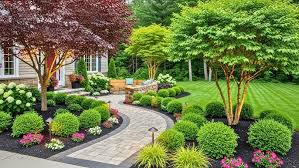
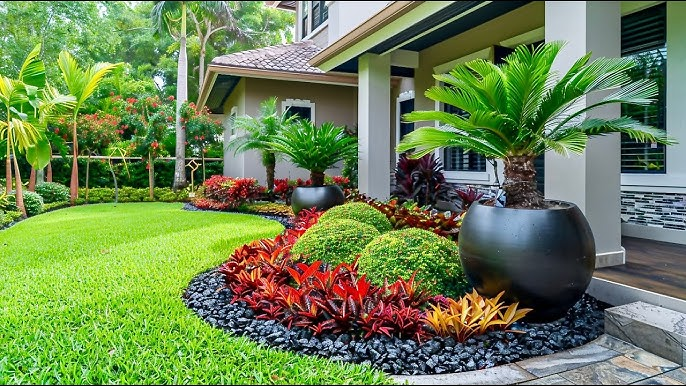
The world is moving toward sustainability, and our gardens are no exception. Eco-friendly landscaping, also known as sustainable landscaping, is quickly becoming a trend across cities and suburbs. From private home gardens to public parks, people are now choosing methods that reduce environmental impact while creating beautiful outdoor spaces.
In simple words, eco-friendly landscaping means designing and maintaining gardens in ways that are kind to nature. It focuses on saving water, reducing waste, protecting soil, and choosing plants that can grow well with little care. Instead of just looking good, eco-gardens also help the environment.
Why Eco-Friendly Landscaping Matters
Traditional landscaping often uses too much water, fertilizers, and chemical pesticides. This not only harms the environment but also increases maintenance costs. For example, lawns in hot climates need regular watering, which leads to water waste. Similarly, using chemical sprays may keep pests away, but it damages the soil and pollutes the air.
Eco-friendly landscaping offers a smarter solution. It uses natural techniques and materials that reduce pollution, save resources, and support local biodiversity. The best part? These landscapes are not only sustainable but also long-lasting and low-maintenance.
Key Principles of Eco-Friendly Landscaping
Use Native Plants Native plants are species that naturally grow in a region. They are already adapted to the local climate and soil, which means they need less water, fertilizer, and care. For example, desert plants like cacti thrive in dry conditions without extra irrigation.
Save Water with Smart Irrigation Eco-friendly gardens use techniques like drip irrigation and rainwater harvesting. Drip systems deliver water directly to plant roots, reducing wastage. Rainwater can also be collected and stored for later use. Mulching (covering soil with organic material) keeps the ground moist for longer, cutting down the need for watering.
Choose Eco-Friendly Materials Instead of plastic or chemically treated wood, sustainable gardens use recycled or natural materials. Stones, bamboo, and reclaimed wood are not only stylish but also better for the environment.
Reduce Lawn Size Large lawns consume a lot of water and chemicals. By replacing lawns with flower beds, shrubs, or ground covers, homeowners can save water and create more eco-friendly spaces.
Encourage Wildlife Eco-friendly landscapes often include birdhouses, butterfly plants, and pollinator-friendly flowers. These attract bees, birds, and butterflies, which are essential for the ecosystem.
Benefits of Eco-Friendly Landscaping
Saves Water and Money With smart irrigation and native plants, water bills go down. Families also spend less on fertilizers, pesticides, and lawn care.
Healthier Environment Reducing chemicals makes the air and soil cleaner. Families and pets enjoy a safer garden free from harmful toxins.
Supports Biodiversity Eco-friendly gardens create natural habitats for insects, birds, and small animals. This helps in maintaining a balanced ecosystem.
Increases Property Value Homes with sustainable and well-maintained landscapes often attract buyers. Green spaces are now seen as modern, stylish, and valuable.
Reduces Carbon Footprint Using local plants and recycled materials lowers carbon emissions from transport and manufacturing.
Eco-Friendly Landscaping Trends in 2025
The demand for sustainable outdoor spaces is growing. Cities are now encouraging eco-friendly landscaping in public parks, housing societies, and even commercial complexes. Some of the key trends include:
Edible Landscaping: Growing vegetables, herbs, and fruits in the garden not only looks attractive but also provides fresh food.
Vertical Gardens: Perfect for small spaces, vertical gardens save land while improving air quality.
Solar-Powered Lighting: Outdoor solar lights are replacing electricity-powered ones, reducing energy bills.
Rain Gardens: Specially designed gardens that absorb rainwater help prevent flooding and recharge groundwater.
Artificial Turf Alternatives: Eco-conscious homeowners are avoiding artificial grass, which harms soil, and opting for drought-resistant ground covers instead.
How Homeowners Can Get Started
Starting an eco-friendly landscape does not have to be expensive or complicated. Here are some simple steps:
Assess the Land: Understand soil type, sunlight, and natural water flow before planting.
Start Small: Replace one section of lawn with drought-tolerant plants.
Compost at Home: Use kitchen waste to create natural fertilizer for plants.
Plant Shade Trees: Trees reduce heat, save energy, and provide habitats for birds.
Go Organic: Choose natural pesticides and fertilizers instead of chemicals.
Real-Life Success Stories
Across the world, eco-friendly landscaping is making a difference. In California, where droughts are common, homeowners are replacing water-thirsty lawns with desert-friendly gardens. In the Middle East, landscaping companies are now using greywater recycling systems to keep gardens green without wasting fresh water. Even in India, many cities are promoting rooftop and vertical gardens to fight air pollution and rising temperatures.
These examples prove that eco-friendly landscaping is not just a passing trend—it is the future of outdoor living.
Conclusion
Eco-friendly landscaping is more than just gardening; it is a lifestyle choice that benefits both people and the planet. By choosing native plants, saving water, and avoiding chemicals, homeowners can create beautiful outdoor spaces that are sustainable and cost-effective. As climate change and environmental concerns rise, adopting eco-friendly landscaping is one of the most practical and impactful steps individuals can take.
With small changes, anyone can transform their garden into a green haven one that looks beautiful, saves resources, and contributes to a healthier world.