In recent years, the conversation surrounding sustainable and green real estate projects has shifted from niche interest to mainstream necessity. As climate change becomes an undeniable reality, both consumers and developers are seeking ways to create eco-friendly developments that not only minimize environmental impact but also provide comfortable and appealing living spaces. This growing trend reflects a collective desire for a more sustainable future, leading to innovative designs and practices within the real estate ector.
The urgency of climate change cannot be overstated. The built environment accounts for a significant portion of global greenhouse gas emissions. Sustainable and green real estate projects aim to address this issue by incorporating energy-efficient designs, renewable resources, and sustainable materials. By doing so, these developments help reduce the carbon footprint of housing and commercial spaces, making them a vital part of the solution to environmental challenges.
Moreover, consumers are increasingly aware of their purchasing power. Many are choosing to invest in properties that align with their values, favoring those that promote sustainability. This shift in consumer behavior not only influences buying decisions but also drives developers to adopt greener practices. The demand for sustainable real estate is growing, leading to a paradigm shift in how properties are developed, marketed, and valued.
Sustainable and green real estate projects come with several key features that set them apart from traditional developments. These features often encompass:
Energy Efficiency: Incorporating energy-efficient appliances, insulation, and lighting reduces energy consumption, leading to lower utility bills and a smaller environmental impact.
Sustainable Materials: The use of recycled, reclaimed, or sustainably sourced materials minimizes waste and reduces the demand for virgin resources.
Water Conservation: Innovative systems such as rainwater harvesting and greywater recycling help manage water resources wisely, ensuring sustainable usage.
Indoor Air Quality: Sustainable buildings often prioritize ventilation and the use of non-toxic materials to enhance the health and well-being of occupants.
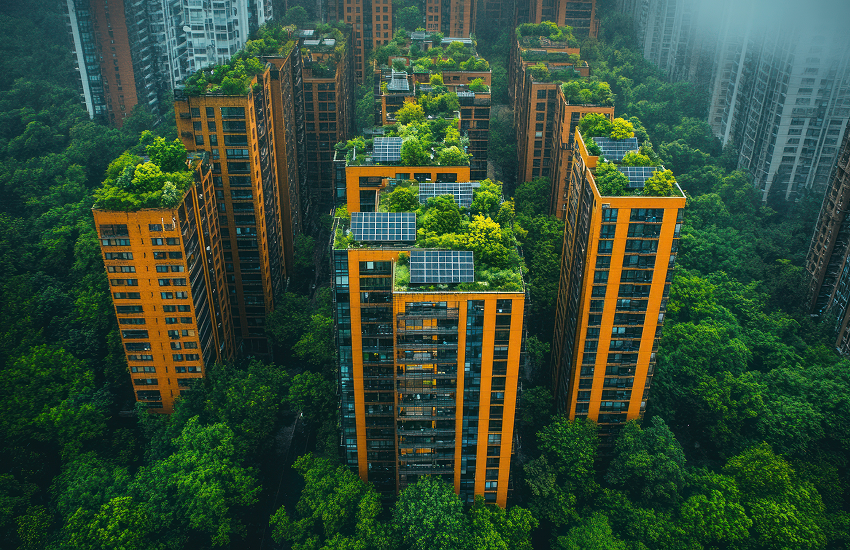
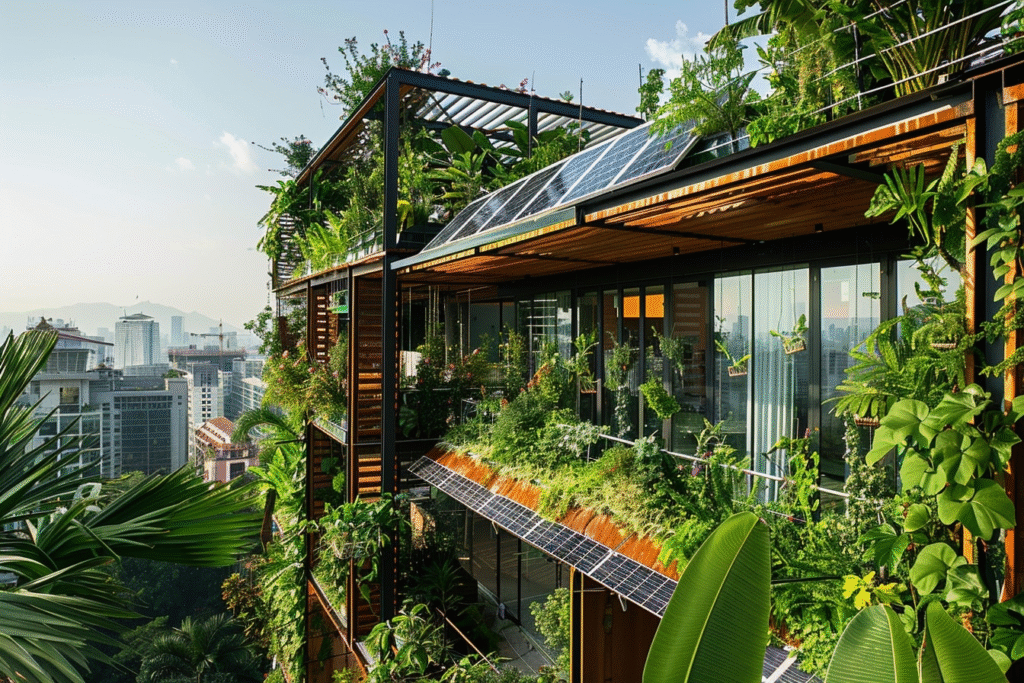
Renewable Energy: Many green developments incorporate solar panels or wind turbines, allowing properties to generate their own energy and reduce reliance on fossil fuels.
Location and Community: Sustainable projects are often designed with community in mind, enhancing walkability and access to public transportation, which reduces reliance on cars.
As the benefits of sustainable and green real estate projects become more apparent, several factors contribute to their growing traction in the market.
First, government incentives and regulations are encouraging developers to adopt green building practices. Many municipalities offer tax credits, grants, or zoning allowances for eco-friendly developments. This financial support makes it easier for builders to invest in sustainable technologies and materials.
Second, advancements in technology have made it more feasible and cost-effective to implement green practices. Innovations in energy-efficient systems, sustainable materials, and eco-friendly construction methods are continually emerging, making it easier for developers to create environmentally responsible buildings.
Third, the increasing awareness and education surrounding sustainability have empowered consumers. Homebuyers and investors are more informed about the advantages of eco-friendly developments, including lower operating costs and healthier living environments. This knowledge translates into a demand for sustainable options in the real estate market.
Design plays a crucial role in the success of sustainable and green real estate projects. Innovative architectural solutions can significantly enhance energy efficiency and overall sustainability. For instance, passive design principles—such as strategic positioning of windows for natural light and ventilation—can reduce the need for artificial heating and cooling.
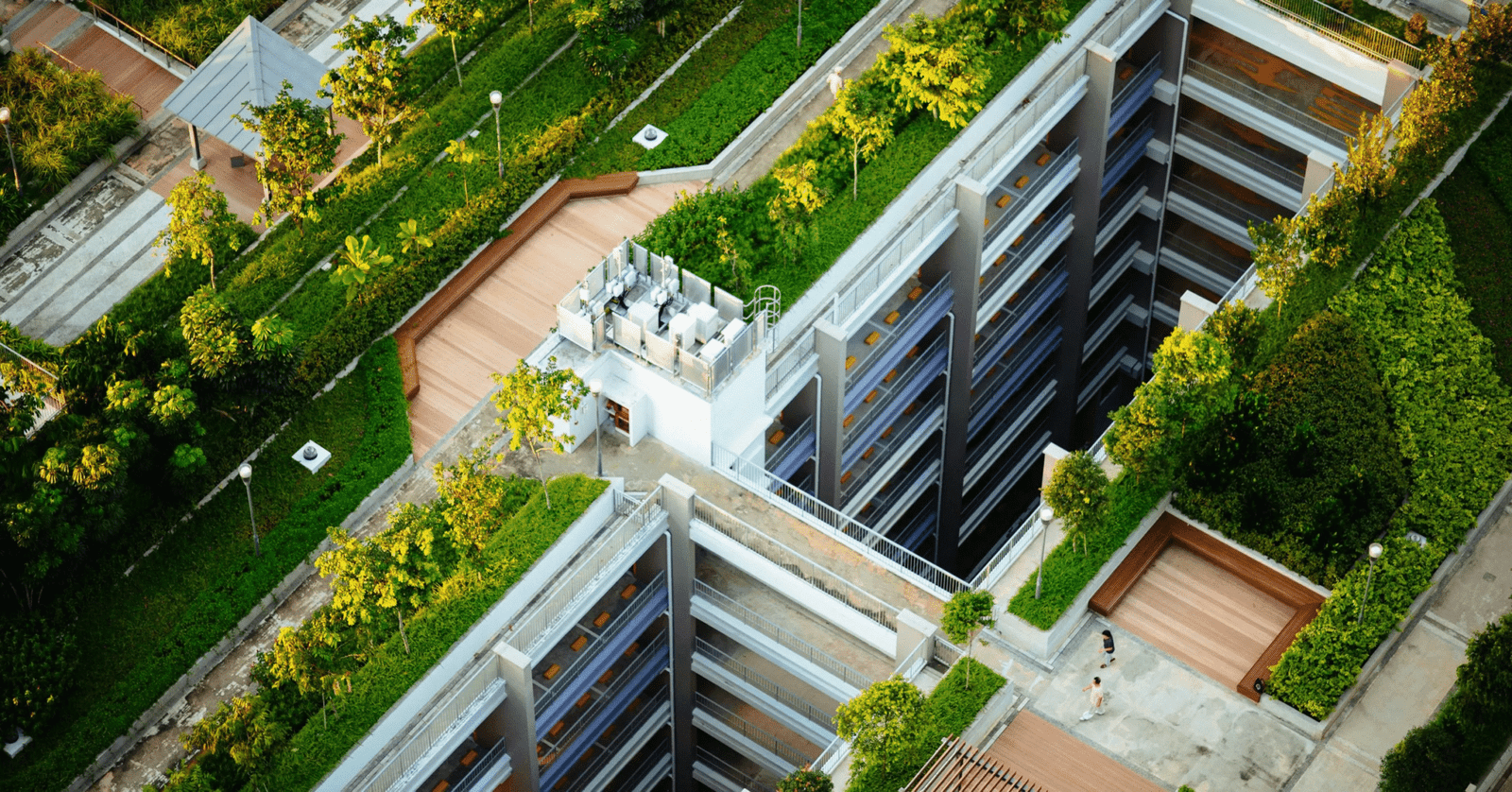
Moreover, green roofs and living walls are gaining popularity in urban developments. These features not only improve aesthetics but also provide insulation, reduce urban heat island effects, and promote biodiversity.
By integrating sustainable design principles, developers can create spaces that are not only environmentally friendly but also aesthetically pleasing and functional. The harmony between form and function is essential for attracting buyers who prioritize sustainability.
Despite the growing interest and benefits of sustainable and green real estate projects, challenges remain. One of the primary hurdles is the perception that green buildings are more expensive to construct. While it’s true that some eco-friendly materials and technologies may have higher upfront costs, the long-term savings in energy and maintenance often justify the initial investment.
Additionally, a lack of standardization in green building certifications can create confusion among consumers and developers alike. Without universally recognized benchmarks, it can be challenging for buyers to assess the true sustainability of a property.
Finally, the market still faces a shortage of skilled professionals who are trained in green building practices. As the demand for sustainable developments continues to rise, addressing this skills gap will be essential for the industry to keep pace.
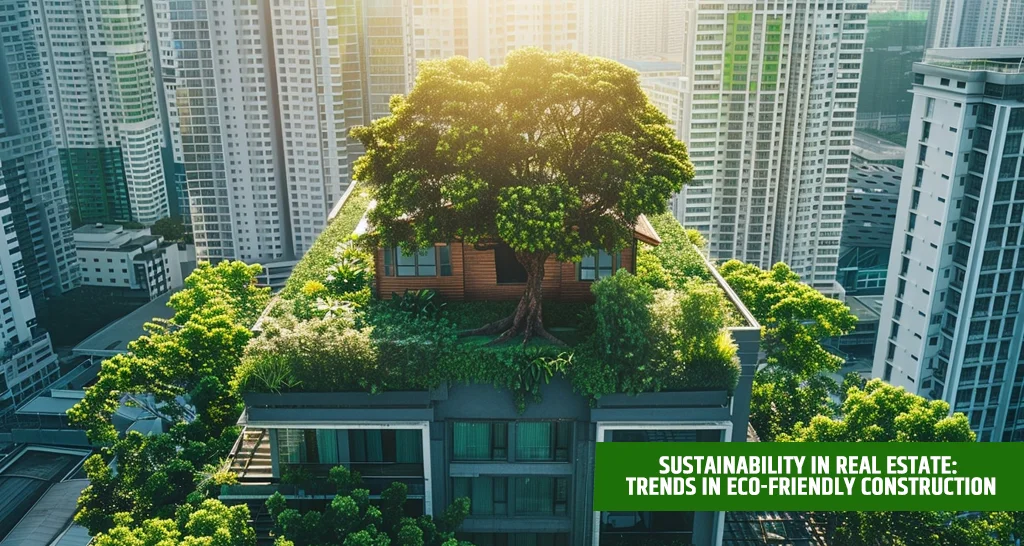
Looking ahead, the future of sustainable and green real estate projects appears bright. As technology continues to advance and society becomes more environmentally conscious, the integration of sustainable practices in real estate development is likely to become the norm rather than the exception.
Governments and organizations are increasingly setting ambitious sustainability goals, which will further push the real estate industry toward greener practices. The incorporation of smart technologies, like energy management systems and IoT devices, will also revolutionize how buildings operate, leading to enhanced efficiency and sustainability.
Furthermore, the ongoing emphasis on community-oriented design will ensure that future developments not only focus on environmental impact but also on social well-being. Creating spaces that foster community connections will be a critical component of eco-friendly developments.
Sustainable and green real estate projects represent a vital response to the pressing challenges of our time. With a growing demand for eco-friendly developments, innovative designs, and supportive policies, the real estate industry is well-positioned to lead the way toward a more sustainable future.
As consumers continue to prioritize sustainability in their purchasing decisions, developers who embrace green practices will find themselves at the forefront of a transforming market. Sustainable and green real estate projects are not just beneficial for the environment; they also create vibrant, healthier communities for future generations to enjoy.
Do Follow Estate Magazine on Instagram
Read More:- Smart City & Proptech Integration – Unlocking Digital Transformation 2026