
Negotiating a real estate deal can feel like navigating a maze. The stakes are often high, and emotions can run deep. However, with the right negotiation strategies in real estate deals, you can secure the best outcomes for yourself—whether you’re buying, selling, or leasing. Understanding the nuances of negotiation not only empowers you but can also transform your real estate experience into a successful venture.
Negotiation strategies in real estate deals encompass various techniques and tactics designed to achieve favorable terms while fostering a collaborative atmosphere. These strategies take into account the interests of both parties involved, aiming for win-win outcomes. At the heart of effective negotiation is communication, preparation, and an understanding of the market landscape.
The real estate market is inherently competitive, which is why mastering negotiation strategies is crucial. A well-negotiated deal can lead to significant savings or gains, making a difference in your overall financial health. Moreover, effective negotiation fosters relationships that can lead to future opportunities. By honing your negotiation skills, you not only enhance your current transaction but also build a reputation as a fair and competent negotiator.
Knowledge is power in negotiation. Before entering any deal, conduct thorough research about the property, current market trends, and the motivations of the other party. Understanding comparable properties and their sale prices will equip you with the necessary information to make informed decisions. Additionally, knowing the seller’s or buyer’s underlying needs can provide valuable insight when crafting your negotiation approach.
Before negotiations begin, identify your primary goals and establish clear limits. Determine your ideal price and the maximum you’re willing to pay or accept. This clarity ensures that you remain focused and helps prevent emotional decisions that could jeopardize the deal. Knowing your boundaries allows you to walk away if the negotiation does not meet your criteria, which is a powerful position to hold.
Creating a connection with the other party can significantly enhance negotiation outcomes. Building rapport fosters a climate of trust, making the other party more amenable to your proposals. Simple gestures, such as active listening and showing genuine interest in their perspective, can break down barriers and encourage a more collaborative negotiation environment.
Silence can be an effective negotiation strategy in real estate deals. After making an offer or stating your position, resist the urge to fill the silence with words. Allowing silence to linger can prompt the other party to divulge more information or soften their stance. This strategy not only demonstrates confidence but also gives you time to assess the situation before responding.
Emotional intelligence plays a vital role in negotiations. Understanding your own emotions and those of the other party can guide your approach. Recognize when emotions may be influencing decisions and strive to maintain a calm demeanor. By managing emotions effectively, you can steer the conversation toward productive outcomes rather than emotional confrontations.
While having clear objectives is essential, flexibility is equally important. Be prepared to adjust your position based on new information or changing circumstances. A willingness to compromise can lead to creative solutions that satisfy both parties. This approach not only enhances the likelihood of closing the deal but also sets a positive tone for future interactions.
Sometimes, the best negotiation strategy in real estate deals is knowing when to walk away. If the terms do not align with your goals or if the negotiation becomes unproductive, don’t hesitate to exit. Demonstrating that you are not desperate can shift the dynamics in your favor. This strategy reinforces your position and can prompt the other party to reconsider their stance.
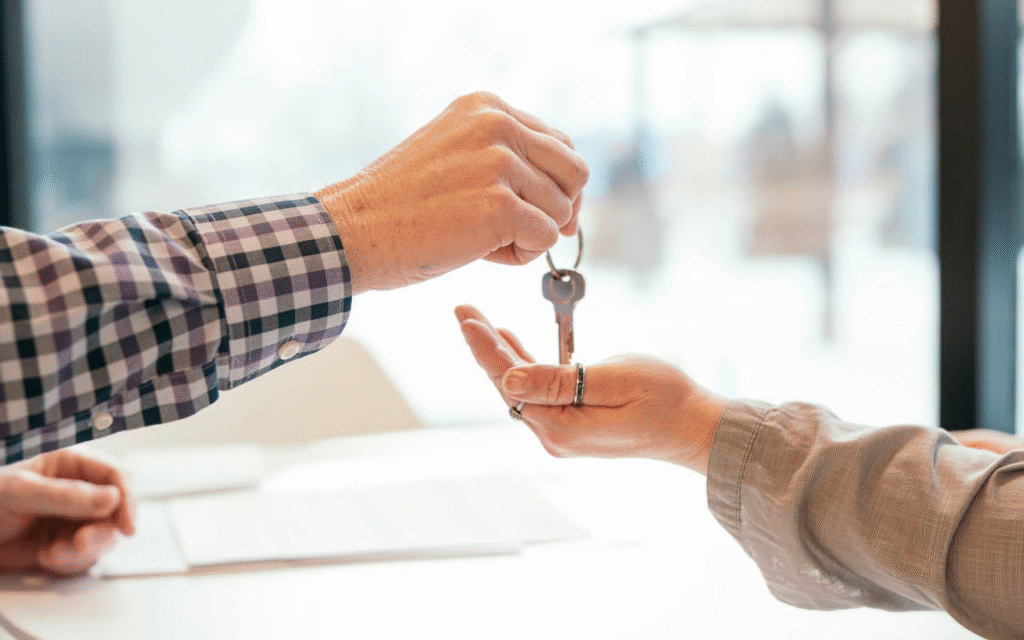
In complex real estate transactions, you may consider enlisting the help of a professional negotiator. These experts are skilled in negotiation strategies in real estate deals, equipped with the experience to navigate challenging discussions. They can provide invaluable insights and help you achieve favorable terms while managing the emotional aspects of negotiation.
After completing a real estate deal, take time to evaluate the negotiation process. Reflect on what strategies worked well and where there is room for improvement. This analysis can help you refine your approach for future transactions, ensuring that you continue to grow as a negotiator.
Mastering negotiation strategies in real estate deals is a valuable skill that can greatly influence your success. By investing time in preparation, building rapport, and remaining flexible, you can navigate the complexities of real estate negotiations with confidence. Remember, the goal is not just to close a deal, but to foster relationships that can benefit you in the long run. With the right strategies in your toolkit, you’re well on your way to becoming a savvy negotiator.
Do Follow Estate Magazine on Instagram
Read Next – The Complete Real Estate Buying Process Step-By-Step Guide