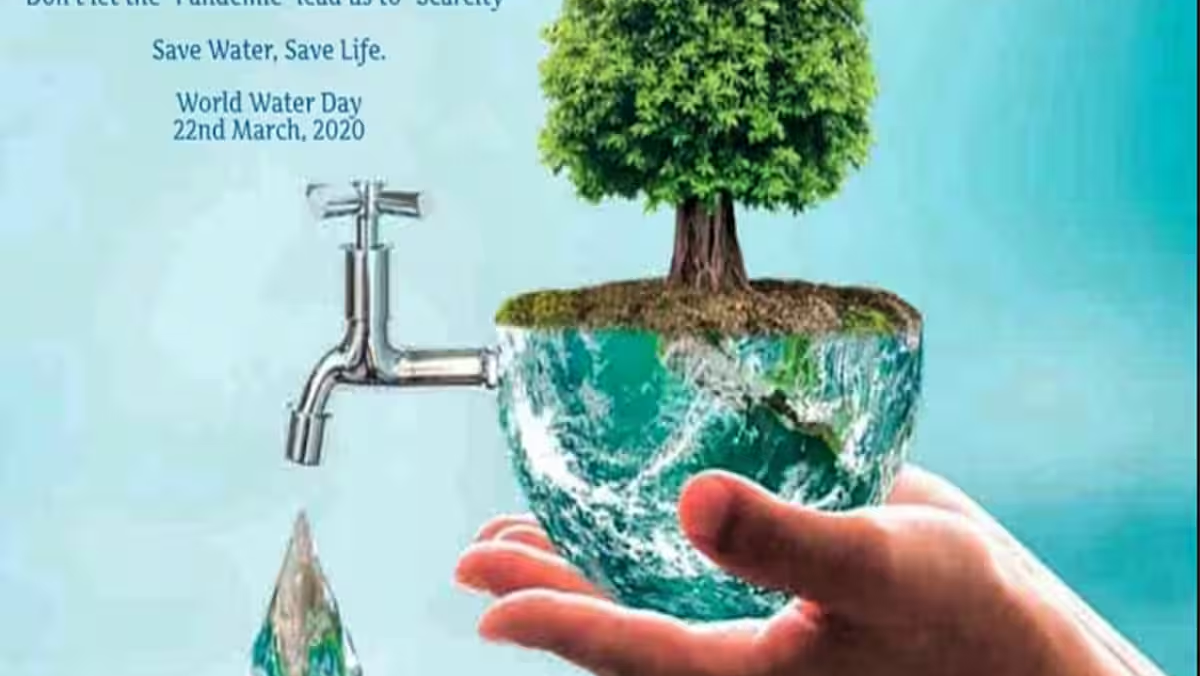
Water is one of the world’s most valuable resources, yet it is also one of the most misused. From agriculture to industry and household Efficiency consumption, demand for water is rising at an alarming rate. At the same time, climate change, droughts, and pollution are putting pressure on already limited supplies. Experts agree: unless strong steps are taken, the global water crisis could worsen within the next decade.
One of the most promising solutions being discussed worldwide is rewarding efficient water usage. Instead of only penalizing waste, many governments, companies, and communities are shifting toward positive incentives. These rewards not only encourage people to save water but also help build a culture of sustainability.
According to the United Nations, nearly 2 billion people lack access to safe drinking water. By 2050, global demand for water is expected to increase by 30%, putting huge stress on natural resources. Agriculture already uses around 70% of all freshwater, while industries such as textiles, food processing, and energy production consume massive amounts every day.
Traditional approaches—like fines for overuse or restrictions during droughts—have not been enough. Experts say these reactive methods discourage waste but fail to promote innovation. The new focus is on rewards, incentives, and recognition for those who use water responsibly.

Several countries and cities are already testing creative ways to reward efficiency.
These examples prove that rewards can create a win-win situation. Citizens save money, businesses boost their image, and governments reduce water stress.
Many companies are also stepping up. Global brands like Coca-Cola, PepsiCo, and Unilever have committed to replenishing more water than they consume in certain regions. Real estate developers are adopting green building standards, where efficient water systems earn them sustainability certifications that attract buyers and investors.
Technology startups are playing a big role too. Smart meters, AI-powered leak detection, and IoT irrigation systems are helping farmers and households monitor usage in real time. Some apps even gamify water savings, offering digital rewards and discounts on eco-friendly products.
Experts in behavioral science explain that positive reinforcement is more powerful than penalties. People are more motivated when they feel recognized or rewarded for their efforts. Instead of seeing water restrictions as a burden, they see efficiency as an achievement.
For example, in communities where residents received small rebates or vouchers for reducing water usage, participation was much higher than in areas where only fines were imposed. Recognition—such as awards, certificates, or public appreciation also adds social value to sustainability efforts.
Governments have a major role to play in setting up these systems. This includes:
Education is particularly important for younger generations. Schools that include water conservation in their curriculum help students build lifelong sustainable habits.

While rewarding efficiency sounds simple, it comes with challenges. Tracking actual water savings requires technology and data collection. Setting fair benchmarks for rewards can be complex, especially when comparing households, businesses, or farms of different sizes.
There is also a risk that rewards may benefit wealthier groups more, since they can afford to invest in efficient technology. To avoid this, experts suggest targeting subsidies and incentives toward vulnerable communities, ensuring that everyone can participate in water-saving efforts.
Despite these challenges, the benefits far outweigh the risks. Rewarding efficiency not only saves water but also encourages innovation, supports green businesses, and builds trust between governments and citizens.
The bigger picture is not just about water it is about building a culture of sustainability. By rewarding good practices, societies can encourage people to think beyond immediate consumption and focus on long-term responsibility.
Just as recycling bins, solar panels, and electric cars have become symbols of eco-conscious living, water efficiency could become a badge of honor for communities and businesses. Over time, this shift can help secure water for future generations.
Water is life, and saving it must be a shared priority. The global move toward rewarding efficient water use is more than just a policy it is a mindset shift. Instead of punishing waste alone, we must celebrate and support those who make the effort to use water wisely.
Whether through rebates, recognition, or community rewards, these systems can spark innovation, empower citizens, and strengthen sustainability. As the world faces mounting challenges from climate change and population growth, rewarding efficiency may be one of the most powerful tools we have to protect our most precious resource.
READ MORE:- Shobha Realty Launches Its Most Luxurious Project Yet—Full Details Inside 2025