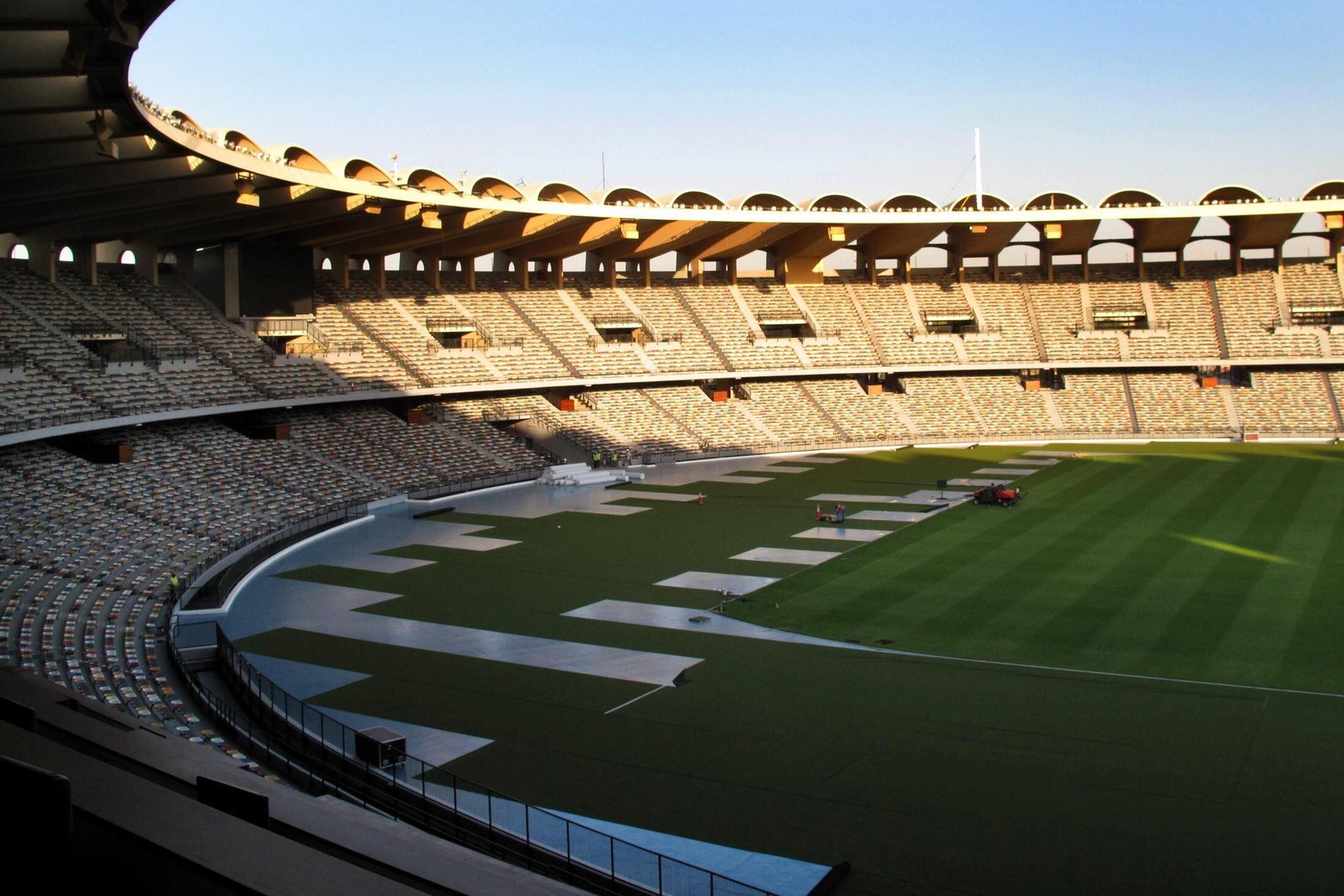
In a move that signals ambition and forward-looking urban design, the UAE has revealed its master plan for the new Zayed City Stadium, an arena set to host 24,000 spectators initially but designed to expand to 30,000. The announcement comes as part of a wave of infrastructure drives intended to reinforce the UAE’s position as a global hub for world-class sports, entertainment, and civic life.
The project is not simply a stadium build; it’s a statement — a physical symbol of growth, community ambition, and ingenuity.
The new Zayed City Stadium is engineered to deliver both form and function. Key features include:
Such amenities reflect a shift from thinking of stadiums as single-purpose venues to viewing them as mixed-use, 24/7 destinations.
Zayed City refers to a planned development area east of central Abu Dhabi, in proximity to the existing Mohamed bin Zayed Stadium. By situating the stadium here, planners aim to create synergy with current sports infrastructure while anchoring new urban expansion.
The choice of location promises several strategic advantages:
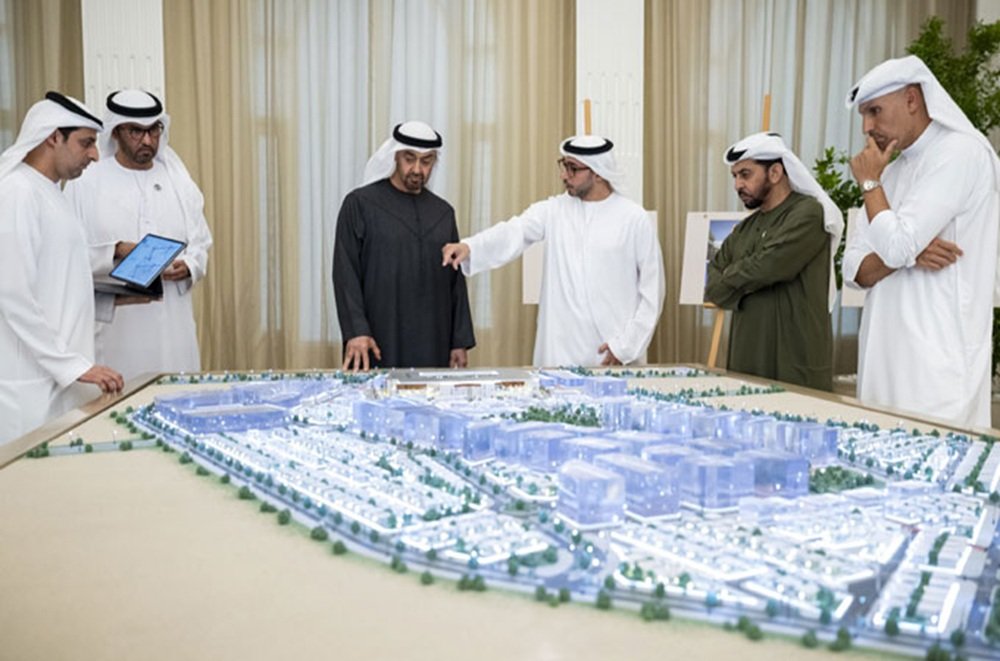
The stadium is slated to begin construction in 2026, with completion expected within three years. Leadership oversight is entrusted to senior UAE officials, including direct supervision by Vice President and Deputy Prime Minister Mansour bin Zayed Al Nahyan.
This ambitious timeline—three years from groundbreaking to operation—is steep, but it reflects the UAE’s track record of executing large-scale megaprojects efficiently.
The UAE has steadily invested in sports as both a cultural pillar and a soft power tool. This new stadium deepens that foundation, offering a modern home for local clubs and an appealing venue for regional and international events.
Stadiums do more than host matches—they can anchor neighborhood growth. By incorporating retail, hospitality, and community spaces, Zayed City Stadium stands to energize commerce, foot traffic, and adjacent real estate.
From climate-controlled seating to retractable turf systems, this stadium is designed with the fan experience in mind. It could become not just a sports arena, but a destination for concerts, festivals, and large community gatherings.
Building a stadium of this caliber serves as a symbol of confidence and ambition. It sends a message domestically and internationally: the UAE is serious about sport, culture, and innovation.
No large project is without risks. A few key challenges to watch:
Al Jazira Sports Club, one of Abu Dhabi’s leading football institutions, is closely tied to the project. Their home ground is currently the Mohammed bin Zayed Stadium. The new Zayed City Stadium promises to provide a fresh and modern home, aligned with the club’s ambitions.
For UAE sports, this is a leap forward in infrastructure. It positions the country for regional tournaments, international showcases, and a stronger local league ecosystem. It may also attract more global sports events to the UAE, reinforcing its status as a world-class host nation.
The real success of this stadium will lie in how people engage with it—fans, residents, tourists alike. Some aspirational design and operational features that might shape that experience:
If done well, the stadium could become an integral part of daily urban life, not just a matchday destination.
The unveiled design and master plan for Zayed City Stadium is a bold, forward-looking statement. It marries architectural ambition with strategic thinking, aimed at delivering a venue that serves sport, community, and city development. With its expansion capacity, fan-centered features, and high expectations, it has the potential to become an icon in the UAE’s built landscape.
As the project gears up for groundbreaking in 2026, all eyes will be on how vision turns into reality—and how this new stadium shapes the future of sports, culture, and urban life in Abu Dhabi and beyond.
Do Follow Estate on Instagram.
Dar Global Begins Handover of Pagani-Branded Residences in Dubai