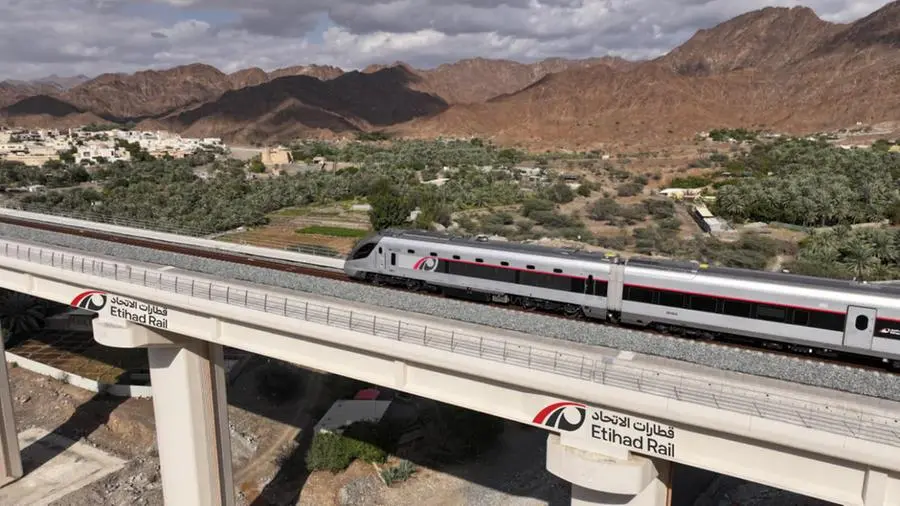
The UAE’s first national rail passenger network, known as Etihad Rail, is set to revolutionize transportation across the emirates. This ambitious project aims to interconnect all emirates, significantly improving connectivity for communities. As the nation’s infrastructure continues to evolve, Etihad Rail represents a pivotal advancement that promises to enhance travel convenience, promote economic growth, and foster a stronger sense of unity among the diverse populations of the UAE.
The vision behind the Etihad Rail project is to create a seamless and efficient rail network that connects the seven emirates: Abu Dhabi, Dubai, Sharjah, Ajman, Umm Al-Quwain, Fujairah, and Ras Al Khaimah. By linking major cities and towns, this national rail passenger network will facilitate easier access to services, employment opportunities, and leisure activities, thus promoting a more cohesive society.
Imagine a family in Fujairah visiting friends in Dubai without the hassle of traffic jams or lengthy commutes. With the introduction of Etihad Rail, such journeys will become quicker and more enjoyable. The convenience of a modern rail system will not only improve travel times but also reduce the carbon footprint associated with road transportation, aligning with global sustainability goals.
Enhanced connectivity through the Etihad Rail project will offer a multitude of benefits to the communities across the UAE. Here are some of the key advantages:
First, the rail network will provide a reliable and efficient mode of transportation. Trains will operate at high speeds, allowing passengers to travel between emirates in record time. This efficiency will be particularly beneficial for daily commuters who currently rely on road transport.
Second, the project will stimulate economic growth. By linking industrial areas with major urban centers, businesses will have better access to markets, suppliers, and a broader customer base. This connectivity is likely to attract investments, creating job opportunities and boosting the local economies of each emirate.
Third, the Etihad Rail network will promote tourism. Visitors will find it easier to explore the rich cultural heritage and attractions of the UAE. A trip from the bustling streets of Dubai to the serene landscapes of Fujairah will be just a train ride away, enhancing the overall experience for tourists.
Additionally, the social impact of improved connectivity should not be overlooked. Communities will become more interconnected, allowing people to engage with different cultures and lifestyles across the emirates. This sense of shared identity can strengthen national unity and foster a spirit of cooperation.
The journey towards establishing the UAE’s first national rail passenger network has been nothing short of remarkable. The project, initiated in 2009, is part of a larger vision to create a comprehensive transport network across the country. The government has invested heavily in the development of this infrastructure, recognizing its potential to transform the socio-economic landscape.
Construction of the rail network has progressed steadily, with significant milestones achieved along the way. The project will consist of multiple phases, with the first phase already nearing completion. This phase will cover a distance of approximately 1,200 kilometers, linking key cities and facilitating the transport of both passengers and freight.
The design of the Etihad Rail stations reflects the unique architecture of the UAE, ensuring that they are not just functional but also aesthetically pleasing. These stations will serve as hubs of activity, offering various services and amenities to enhance the travel experience.
Safety is a paramount concern for any transportation network, and Etihad Rail is no exception. The rail system is being developed with the latest technology and safety standards in mind. Advanced signaling systems, regular maintenance schedules, and stringent safety protocols will ensure that passengers can travel with confidence.
Sustainability is woven into the fabric of the Etihad Rail project. The rail network is designed to minimize its environmental impact, utilizing energy-efficient technologies and reducing reliance on fossil fuels. This commitment to sustainability resonates with the UAE’s broader goals of achieving environmental stewardship and reducing carbon emissions.
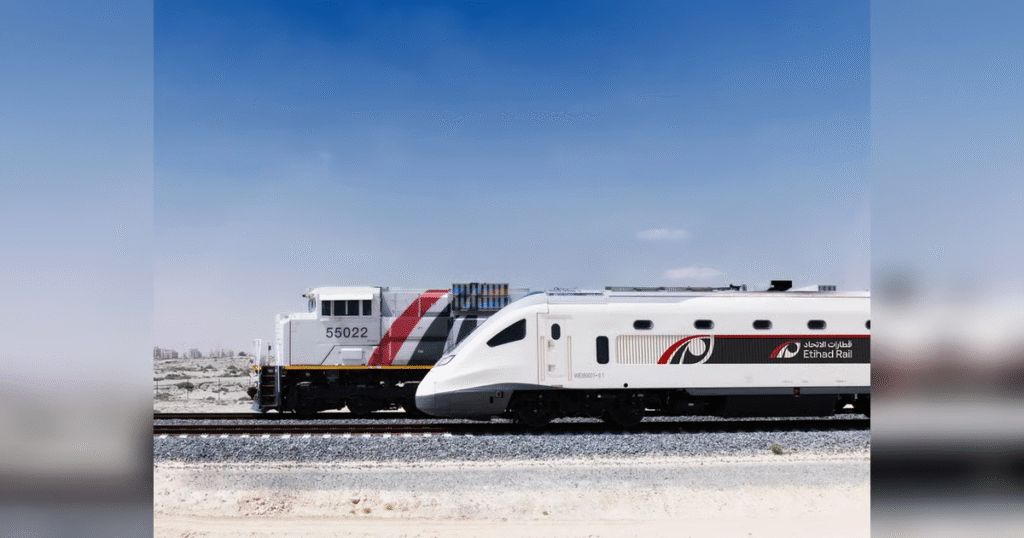
As the Etihad Rail network nears its operational phase, the future of travel in the UAE looks promising. The integration of modern rail systems into daily life will change how people perceive distance and accessibility. Instead of viewing the emirates as separate entities, residents and visitors alike will experience the UAE as a cohesive and interconnected region.
The rail network will also pave the way for innovative transport solutions. As technology evolves, we can expect to see enhancements such as smart ticketing systems, mobile apps for real-time information, and even the potential for high-speed trains that could further reduce travel times.
The UAE’s first national rail passenger network, Etihad Rail, is not just a transportation project; it is a transformative initiative that will interconnect all emirates and improve connectivity for communities. By enhancing travel efficiency, promoting economic growth, and fostering social interaction, this rail network will reshape the way people move and interact within the UAE.
As we stand on the brink of this exciting development, it’s clear that Etihad Rail will be a cornerstone of the UAE’s future, embodying the spirit of innovation and unity that defines this remarkable nation.
Do Follow Estate Magazine on Instagram
Read More:- Real Estate Demand Segments with Exclusive Affordable Luxury Options 2026