
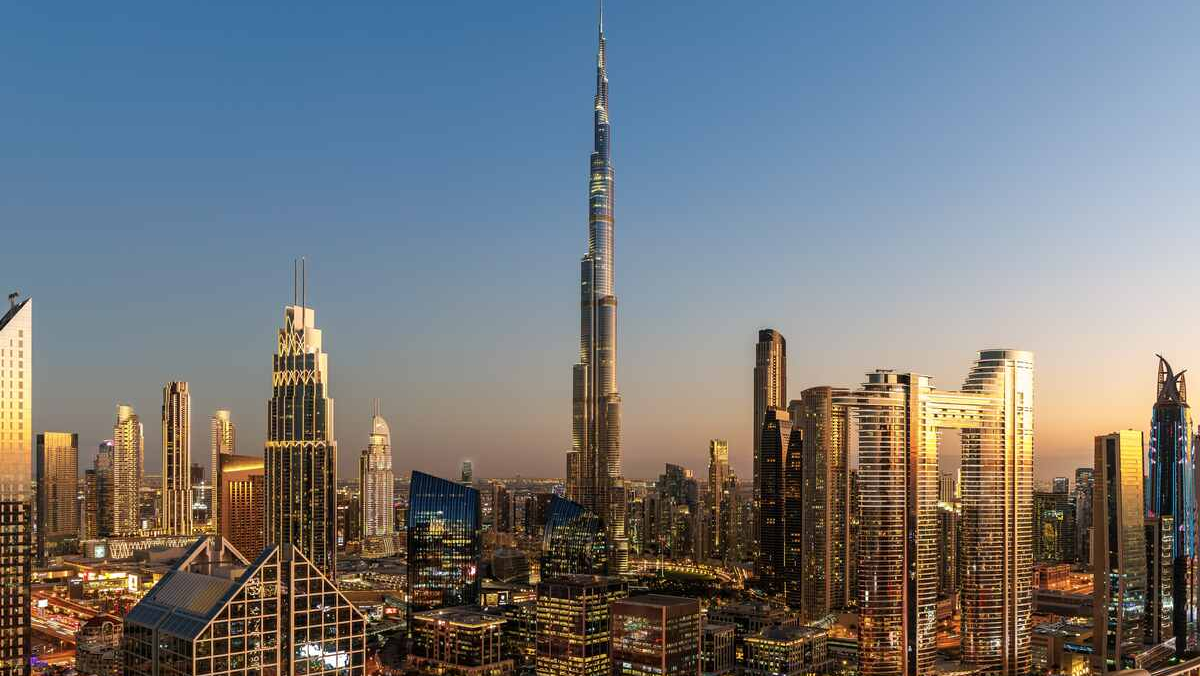
The United Arab Emirates (UAE) Expats has become one of the most diverse and multicultural nations in the world. Behind this unique blend of traditions, cuisines, and lifestyles lies the strong influence of expatriates, who make up nearly 90% of the country’s population. From business and education to food, fashion, and culture, expats have played a central role in shaping the UAE’s modern identity. This blend of cultures has not only boosted the UAE’s global image but also created a lifestyle unlike anywhere else in the Middle East.
When the UAE was formed in 1971, it was largely dependent on trade and fishing. But with the discovery of oil and the country’s forward-looking vision, rapid modernization began. Expats from all over the world started arriving in search of opportunities, and today, they are the backbone of the nation’s workforce and cultural exchange.
Cities like Dubai and Abu Dhabi are now home to residents from over 200 nationalities. Whether it’s a British teacher, an Indian entrepreneur, a Filipino nurse, or a Lebanese chef, each community has contributed to shaping the UAE’s multicultural lifestyle. This cultural melting pot has made the UAE not just an economic hub but also a cultural powerhouse.

The UAE’s multiculturalism is visible in almost every aspect of daily life. Shopping malls, restaurants, schools, and workplaces reflect this diversity. Walk through a Dubai street and you might hear Arabic, English, Hindi, Tagalog, and Russian within minutes.
1. Food and Cuisine:
Expat influence has turned the UAE into a global food destination. From authentic Emirati dishes like machboos and harees to international cuisines like sushi, pizza, biryani, and shawarma, the choices are endless. Food festivals such as Dubai Food Festival highlight this mix, where restaurants from every corner of the world participate.
2. Fashion and Lifestyle:
International fashion brands coexist with traditional abayas and kanduras, reflecting a balance of heritage and global trends. Expats have also introduced lifestyle elements such as yoga studios from India, European cafés, and Latin dance classes, making the social scene dynamic and inclusive.
3. Arts and Entertainment:
Expat communities have brought their art, music, and festivals to the UAE. The annual Diwali celebrations, Chinese New Year, Christmas markets, and even Oktoberfest events showcase this cultural exchange. The Dubai Opera and art galleries also host performances from world-renowned artists, creating a cultural calendar that attracts global attention.
Beyond lifestyle, expats are also crucial to the UAE’s economy. They dominate industries such as real estate, hospitality, healthcare, education, and finance. Many expats start small businesses, which not only create jobs but also add to the variety of services available in the country.
For example, Indian and Pakistani entrepreneurs have transformed the textile and food sectors, while Western expats have boosted professional services, education, and finance. Meanwhile, skilled workers from Asia and Africa have contributed to construction and infrastructure, literally building the UAE’s modern skyline.
The government has also recognized this contribution by introducing initiatives such as long-term visas and Golden Visas for investors, professionals, and talented individuals. These policies aim to encourage expats to see the UAE not just as a workplace but as a home.
One of the most impressive aspects of the UAE is how such a diverse population lives in harmony. Respect for local traditions and Islamic values has allowed expats to blend their lifestyles while preserving their own cultures.
However, challenges exist. The large population of expats sometimes raises questions about preserving Emirati heritage and identity. To balance this, the government promotes initiatives that celebrate Emirati traditions, such as National Day celebrations, heritage villages, and cultural programs.
Despite these challenges, the UAE remains a rare example of how multiculturalism can thrive in a modern society while still respecting local customs.

Schools in the UAE are another strong reflection of multiculturalism. International schools follow British, American, Indian, French, and IB curricula, attracting children of all backgrounds. This exposure gives young people an early understanding of global perspectives, tolerance, and collaboration.
The next generation of Emiratis and expats are growing up side by side, sharing classrooms, sports fields, and social activities. This interaction is shaping a more open-minded and globally connected youth, which is vital for the UAE’s future.
Thanks to its multicultural lifestyle, the UAE has become a symbol of tolerance and diversity in the Middle East. In 2019, the UAE even celebrated the Year of Tolerance, highlighting its commitment to being a global model for coexistence.
International events such as Expo 2020 Dubai further showcased the country’s diversity by welcoming over 190 participating nations and millions of visitors. The success of such events is a direct reflection of the multicultural foundation built by expats and locals alike.
The influence of expats on the UAE’s multicultural lifestyle cannot be overstated. They have helped transform the nation into a modern, vibrant, and globally connected society while contributing significantly to its economy, culture, and identity.
The UAE’s ability to embrace diversity while honoring its traditions has made it stand out in the region. As the country looks ahead with ambitious visions like UAE Centennial 2071, the role of expats will remain central to its progress and multicultural spirit.
READ MORE:- Inside the World of Business Acquisitions: Secrets of Corporate Growth 2025