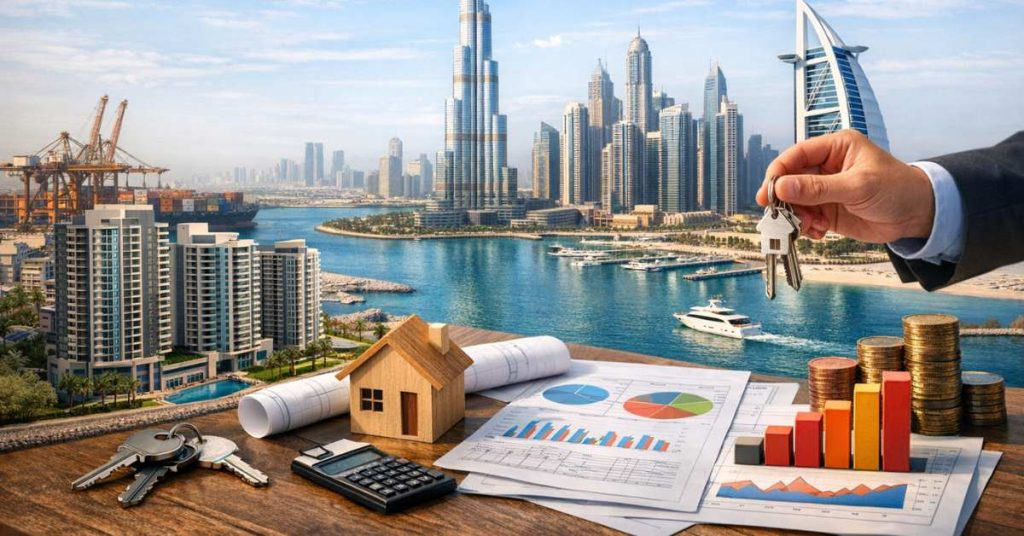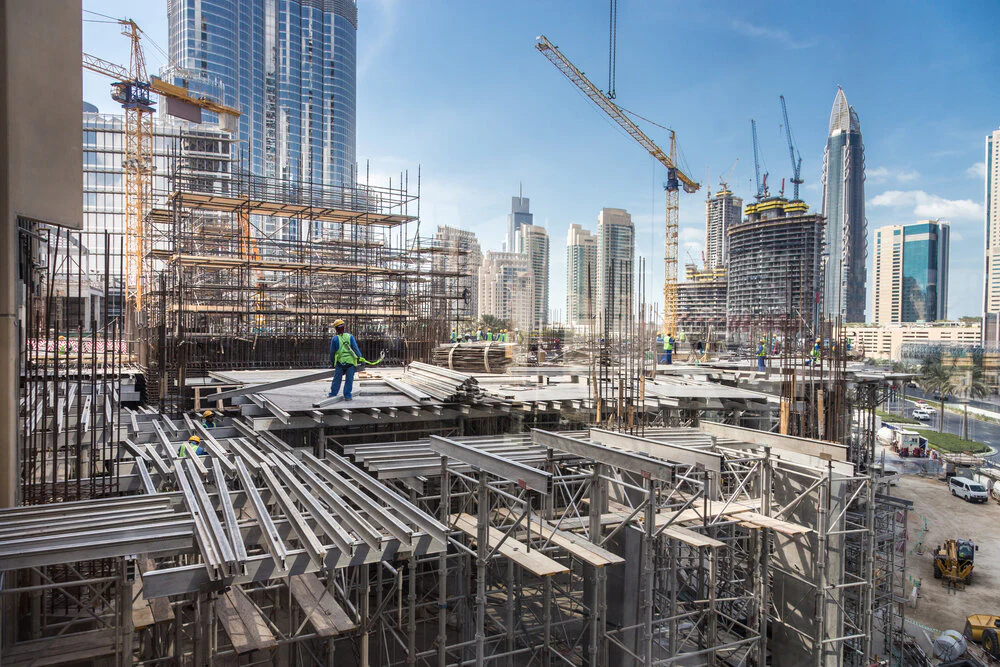
The real estate market is a complex web of factors that determine property values, and one of the most significant influences in recent years has been foreign buyers. This influx of overseas investment has reshaped the dynamics of local markets and profoundly affected home prices. Understanding how foreign buyers influence real estate prices is crucial for investors, homebuyers, and policymakers alike.
In an increasingly interconnected world, the real estate market has become globalized. Foreign buyers are no longer confined to their home countries; they are actively seeking investment opportunities across borders. This trend has been fueled by several factors, including improved technology, international mobility, and favorable exchange rates.
As foreign buyers pour money into local markets, they often drive up demand, which can lead to increased property prices. In cities like Vancouver, Sydney, and London, foreign investment has been linked to significant price surges, making it more challenging for local residents to afford homes.

Several factors make real estate an attractive investment for foreign buyers. One of the primary motivations is the search for stability. Many investors view real estate as a safe haven, especially in times of economic uncertainty. Additionally, countries with strong legal frameworks and transparent property laws are more appealing to international investors.
Another driving force is the desire for diversification. Foreign buyers often seek to spread their investment portfolios across different markets to mitigate risk. Properties in stable countries tend to be seen as reliable investments, further inflating local real estate prices.
The influence of foreign buyers on real estate prices can have profound implications for local markets. When foreign investment increases demand, it often leads to rising prices, which can make housing less affordable for local residents. This phenomenon has sparked debates about housing equity and accessibility, with many arguing that foreign investment is pricing locals out of the market.
Moreover, areas with high foreign investment can experience gentrification, altering the character of neighborhoods. While this can lead to improvements in infrastructure and amenities, it can also displace long-time residents, creating social tensions.
The impact of foreign buyers varies significantly from one region to another. In major metropolitan areas, the effects are often more pronounced due to higher demand and limited supply. For instance, in cities where foreign buyers are prevalent, such as New York City and Los Angeles, the competition for properties can drive prices to unprecedented levels.
Conversely, in smaller towns or less popular regions, the influence of foreign buyers may be minimal. Here, local economic conditions and employment opportunities tend to play a more substantial role in shaping real estate prices. Understanding these regional variations is essential for anyone looking to navigate the complexities of the real estate market.
As the influence of foreign buyers on real estate prices grows, many governments are implementing policies to address the challenges it poses. Some countries have introduced taxes on foreign purchases, while others have imposed stricter regulations on property acquisitions by non-residents. These measures aim to balance the benefits of foreign investment with the need to protect local housing markets.
For instance, Australia has implemented a foreign investment review board to assess the impact of foreign buyers on the housing market. Similarly, Canada has introduced measures to curb speculation and ensure that locals can access affordable housing.
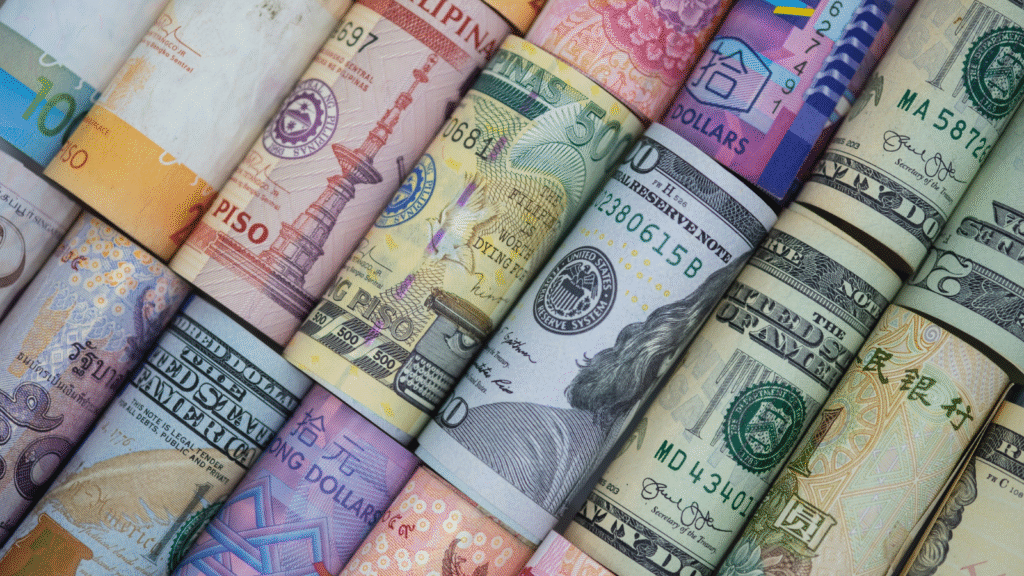
Looking ahead, the trend of foreign buyers influencing real estate prices is likely to continue. With globalization showing no signs of slowing down, investors will remain attracted to opportunities in foreign markets. However, the conversation around the impact of these investments is evolving.
As local communities advocate for more inclusive housing policies, the challenge will be finding a balance that allows for foreign investment while ensuring that locals can still afford to live in their communities. The future may involve innovative solutions that promote both economic growth and social equity.
In summary, how foreign buyers influence real estate prices is a multifaceted issue that encompasses economic, social, and policy dimensions. While foreign investment can bring about growth and development, it can also lead to challenges that affect affordability and community integrity. As the landscape of real estate continues to evolve, staying informed about these influences will be crucial for all stakeholders involved.
Do Follow Estate Magazine on Instagram
Read More:- Dubai Real Estate Growth: 7 Powerful Future Hotspots Revealed