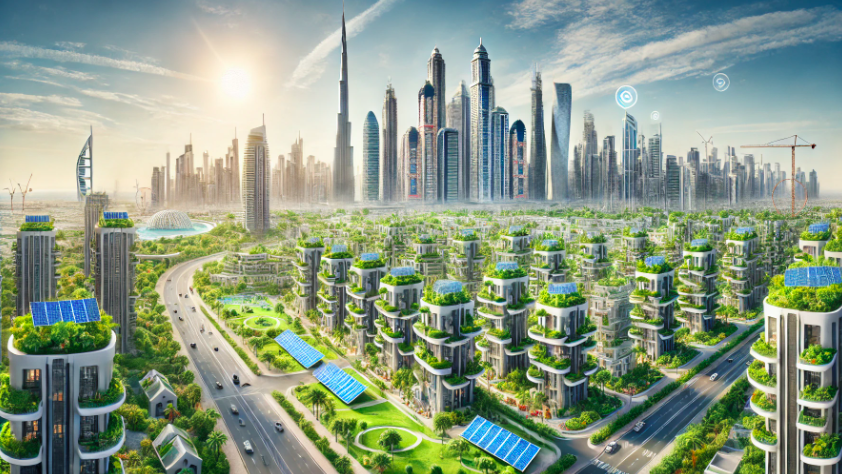
The concept of sustainable real estate is transforming the way we think about property development and investment. As the global population continues to grow and environmental concerns mount, the need for sustainable practices in real estate has never been more critical. This article will explore the principles of sustainable real estate, the benefits it offers, and how you can get involved in this vital movement.
Sustainable real estate refers to buildings and developments designed with environmentally friendly practices in mind. This includes energy-efficient designs, sustainable materials, and a focus on reducing waste. The aim is to create spaces that not only meet the needs of today’s occupants but also preserve resources for future generations.
Sustainable real estate is built upon several core principles:
Energy Efficiency: Implementing systems that reduce energy consumption, such as solar panels and efficient heating and cooling systems.
Water Conservation: Utilizing technologies and designs that minimize water usage, such as rainwater harvesting and drought-resistant landscaping.
Sustainable Materials: Choosing materials that are renewable, recyclable, or have a lower environmental impact.
Community Impact: Focusing on developments that enhance local communities and promote social equity.
Transportation Accessibility: Designing properties that encourage the use of public transportation and reduce reliance on cars.
The importance of sustainable real estate goes beyond environmental benefits; it also has significant social and economic implications.
Sustainable real estate significantly reduces carbon footprints. By minimizing energy consumption and utilizing renewable energy sources, properties can help combat climate change. Additionally, sustainable developments often include green spaces that contribute to biodiversity and improve air quality.
Investing in sustainable real estate can lead to long-term financial benefits. Properties that incorporate energy-efficient designs often see reduced operating costs. Furthermore, as more buyers prioritize eco-friendly features, these properties can command higher resale values.
Engaging in sustainable real estate practices showcases a commitment to social responsibility. Developers and investors can positively impact communities by creating affordable, accessible housing that meets the needs of a diverse population.
When looking at potential investments or developments, it’s essential to recognize what constitutes sustainable real estate. Here are a few signs to look for:
Leadership in Energy and Environmental Design (LEED) is a globally recognized certification system for sustainable buildings. Properties that have achieved LEED certification meet specific environmental and energy efficiency criteria.
Look for buildings that incorporate innovative designs, such as passive solar energy, green roofs, or natural ventilation systems. These features not only enhance energy efficiency but often lead to healthier living environments.
Sustainable developments often involve community input and consideration of local needs. Properties that engage with local stakeholders typically integrate better into their surroundings and support local economies.
Advancements in technology are revolutionizing sustainable real estate. Smart home technology, for instance, allows homeowners to monitor and control energy usage in real time. Innovations in building materials, such as recycled plastics and sustainable timber, are also paving the way for greener developments.
Smart technologies contribute to sustainable living by optimizing energy use. Home automation systems can adjust lighting, heating, and cooling based on occupancy, significantly reducing energy consumption.
BIM is transforming the design and construction process in real estate. This technology allows for more accurate planning and resource management, reducing waste and improving efficiency throughout the building lifecycle.
Despite its many advantages, sustainable real estate faces several challenges. High initial costs can deter developers from pursuing eco-friendly projects. Additionally, there may be a lack of awareness or understanding among consumers about the benefits of sustainable properties.
While the upfront costs of sustainable building can be higher, many financial incentives are available, including tax credits and grants. Developers can also benefit from long-term savings through reduced operating costs, making the investment worthwhile.
Raising awareness about the benefits of sustainable real estate is crucial. As consumers become more informed, demand for eco-friendly properties will likely increase, driving further investment in sustainable practices.
As we look to the future, sustainable real estate will play a vital role in addressing environmental challenges. With ongoing advancements in technology and growing consumer demand, the shift toward sustainability in real estate is expected to accelerate.
The future of sustainable real estate will likely see a rise in mixed-use developments that promote walkability and reduce reliance on cars. Additionally, there will be a focus on retrofitting existing buildings to improve energy efficiency rather than building anew.
Future sustainable real estate projects will prioritize community engagement, ensuring that developments meet the needs of local populations. This approach fosters a sense of belonging and inclusivity, enhancing the overall quality of life.
In conclusion, sustainable real estate is not just a trend—it’s a necessary shift towards a more responsible and environmentally friendly future. By focusing on energy efficiency, sustainable materials, and community impact, we can create spaces that benefit everyone. Whether you’re a developer, investor, or potential homeowner, embracing sustainable real estate practices is essential for a healthier planet and a brighter tomorrow.
Do Follow Estate Magazine on Instagram
Read Next – Vision 2030 Real Estate: Redefining Property Investment Opportunities