
In today’s fast-paced world, safety remains a top priority for families, especially those with children. As urban life becomes busier and concerns about crime rates and community safety grow, many safety-conscious parents are turning their attention to gated communities. But what is it about these exclusive neighborhoods that make them so attractive for families? This article dives into the reasons why gated communities may be the ideal choice for parents prioritizing safety.
Gated communities often promise a sense of security that traditional neighborhoods may not provide. The allure lies in the controlled access, added privacy, and a close-knit environment. For parents, these features offer peace of mind, knowing that their children can play outside with less worry about potential dangers.
One of the most significant advantages of gated communities is their enhanced security measures. Many of these neighborhoods employ professional security personnel and deploy surveillance cameras throughout the area. The presence of a guard at the entrance serves as a strong deterrent to crime, making parents feel more secure about their children’s safety.
Moreover, these communities often have strict access controls, ensuring that only residents and their guests can enter. This level of security significantly reduces the chances of unwanted visitors, which can be particularly reassuring for parents.

Gated communities often foster a family-oriented atmosphere. Many of these neighborhoods feature amenities like parks, playgrounds, and community centers designed for families. Safety-conscious parents appreciate these spaces, as they provide opportunities for children to socialize and play in a secure environment.
Additionally, the sense of community in gated neighborhoods often means that families look out for one another. Neighbors may become friends, sharing the responsibility of keeping an eye on each other’s children. This collective vigilance can create a safer environment for all families involved.
Gated communities are frequently located near reputable schools, adding another layer of appeal for safety-conscious parents. Living close to quality educational institutions allows families to minimize travel time and enhances the overall safety of their children’s daily commute. Parents can feel more at ease knowing their children can walk or bike to school in a safe, well-maintained community.
Another major draw of gated communities is controlled traffic. These neighborhoods typically have limited access points, which helps manage the flow of vehicles. For parents, this means less traffic congestion, lower chances of accidents, and a safer environment for children to play and ride bikes.
Additionally, many gated communities have lower crime rates compared to surrounding areas. The combination of security measures and a strong community presence contributes to this safety. Parents can often find peace of mind in knowing that their children are growing up in a secure neighborhood.
Choosing a home in a gated community isn’t just about physical safety; it also provides emotional benefits for parents. Living in a secure environment can reduce stress and anxiety, allowing families to focus on what matters most: spending quality time together.
Gated communities often encourage social interactions among families. Parents can establish friendships with neighbors, creating a support network that can be invaluable during challenging times. This social aspect can also positively influence children, teaching them the importance of community and relationships.
In an era where screen time can dominate children’s lives, gated communities often promote outdoor activities. With safe spaces to play, families are more likely to engage in physical activities, fostering a healthier lifestyle for their children. Parents can feel good knowing that their kids are outside, playing with friends in a safe environment.
While gated communities offer many benefits, they also come with trade-offs that parents should consider. For one, the cost of living in these neighborhoods can be higher due to homeowner association fees and property values. Families must weigh the pros and cons to determine if the added safety and community benefits justify the expense.
Another potential downside of gated communities is the lack of diversity. These neighborhoods can sometimes become homogenous, which may limit children’s exposure to different cultures and backgrounds. Parents might want to consider whether their children will miss out on valuable lessons from a more diverse community.
Gated communities often come with strict rules and regulations that residents must adhere to. While these rules may enhance safety and property value, they can also feel restrictive for families who prefer a more relaxed lifestyle. Parents should evaluate whether they can align with the community’s guidelines before making a move.
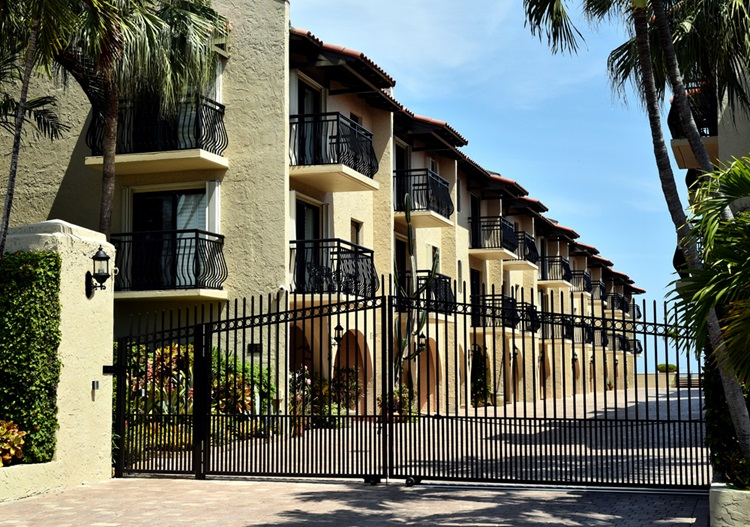
Ultimately, the decision to move into a gated community should align with your family’s values and priorities. Safety-conscious parents may find that these neighborhoods offer the peace of mind they desire. However, it’s essential to consider all factors, including cost, community dynamics, and potential restrictions.
Before making a decision, families should evaluate their specific needs. Consider the age of your children, their activities, and your lifestyle preferences. Gated communities can be an excellent fit for families seeking security and a supportive environment, but they may not suit everyone.
If you’re considering a move, visiting potential gated communities is crucial. Get a feel for the neighborhood, speak with residents, and explore the amenities. This firsthand experience can provide valuable insights into whether it’s the right fit for your family.
For many safety-conscious parents, the appeal of gated communities lies in their promise of security and a supportive environment. With enhanced safety features, family-friendly amenities, and a sense of community, these neighborhoods can provide a nurturing place for children to grow. However, it’s essential to weigh the potential trade-offs and consider what truly matters for your family’s lifestyle.
Ultimately, the decision to move to a gated community should reflect your family’s values and needs, ensuring a safe and fulfilling environment for your children.
Do Follow Estate Magazine on Instagram
Read More:- How Schools in Residential Zones Boost Property Values in 2026