

In today’s interconnected world, the impact of global economic shifts on real estate funds is more significant than ever. As economies fluctuate, so too do the dynamics of real estate investment. Investors must navigate a complex landscape where political changes, technological advancements, and market trends converge. This article delves into how these global shifts influence real estate funds and what investors need to know to stay ahead.
Economic conditions play a pivotal role in shaping real estate markets. When economies flourish, property values typically rise, creating lucrative opportunities for real estate funds. Conversely, during downturns, the opposite occurs, leading to decreased demand and falling prices.
Real estate funds are particularly sensitive to changes in interest rates. When central banks adjust rates, it can either encourage or stifle investment in real estate. Lower rates usually make borrowing cheaper, enabling more people to purchase homes and invest in properties. This surge in demand can lead to increased property values, benefiting real estate funds. Conversely, rising interest rates can dampen enthusiasm, causing potential investors to pull back.
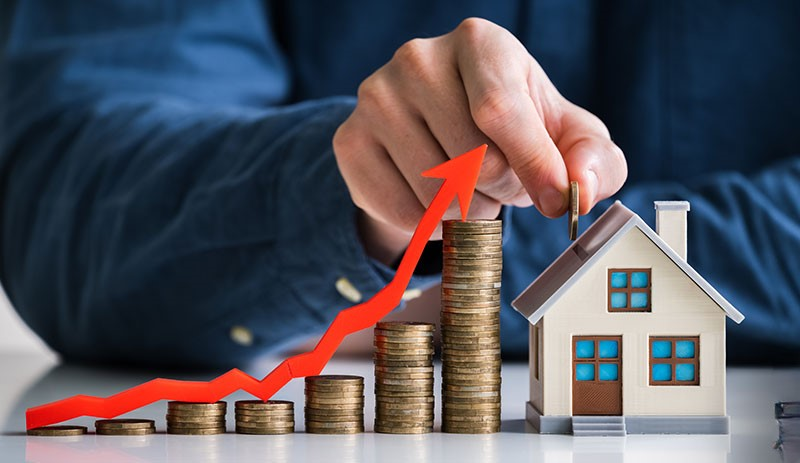
Major global events, such as financial crises, pandemics, or geopolitical tensions, can drastically alter the landscape for real estate funds. For instance, the COVID-19 pandemic has had lasting effects on how people view urban living and commercial properties.
As remote work became the norm, many families reconsidered their living situations. Suburban and rural areas gained popularity as individuals sought more space and lower living costs. This shift has prompted real estate funds to pivot their focus toward these emerging markets. Investors are now looking beyond traditional urban centers to capitalize on the evolving preferences of homebuyers and renters.
The impact of global economic shifts is also evident in the growing trend toward sustainable and impact investing in real estate. Investors are increasingly prioritizing environmental, social, and governance (ESG) factors when choosing real estate funds.
As awareness around climate change and sustainability grows, funds that prioritize eco-friendly practices and social responsibility are becoming more attractive. This shift is not just a moral imperative; it also reflects changing consumer preferences. Properties that meet high sustainability standards often retain their value better and attract more tenants, making them a wise investment choice.
The global economy is interconnected, and currency fluctuations can significantly impact real estate funds, especially those investing in international markets. A strong dollar may make it more expensive for foreign investors to purchase U.S. properties, potentially leading to a decline in demand.
Conversely, a weaker dollar can attract international buyers seeking value in the U.S. real estate market. Real estate funds must be agile, adapting their strategies based on currency trends to maximize returns. Understanding these dynamics is crucial for investors looking to broaden their portfolios across borders.
Technological advancements have transformed the real estate landscape, influencing how funds operate and make investment decisions. The rise of proptech—property technology—has streamlined various processes, from property management to investment analysis.
Real estate funds can now leverage big data and analytics to identify lucrative opportunities and assess risks more effectively. This ability to analyze market trends in real-time allows funds to respond quickly to global economic shifts, ensuring they remain competitive and profitable.
Given the unpredictable nature of global economic shifts, diversification is more critical than ever for real estate funds. By investing in different types of properties—residential, commercial, industrial—real estate funds can mitigate risks associated with market fluctuations.
Moreover, geographic diversification can also help insulate funds from localized economic downturns. For instance, while one region may experience a slump, another may thrive, balancing the overall performance of the fund. This approach not only safeguards investments but also opens up new avenues for growth.

As we look to the future, the impact of global economic shifts on real estate funds will continue to evolve. Investors must remain vigilant, keeping a close eye on macroeconomic indicators and emerging trends.
Adaptability will be key. Those who can quickly pivot and adjust their strategies in response to changing economic conditions will likely find success in the ever-changing real estate landscape. Furthermore, as the world becomes increasingly interconnected, understanding global markets and their implications for real estate investments will be vital for long-term profitability.
The impact of global economic shifts on real estate funds is profound, influencing investment strategies and market dynamics. As economies fluctuate, real estate investors must be proactive and adaptable, leveraging technology and diversifying their portfolios to navigate uncertainty.
Understanding these shifts will empower investors to make informed decisions, ensuring they can capitalize on opportunities while mitigating risks. In this rapidly changing environment, embracing change is not just beneficial; it is essential for sustained success in the world of real estate funds.
Do Follow Estate Magazine on Instagram
Read More:- Family Relocations: Powerful Insights on Risk, Regulation, and Market Dynamics