Tourism has always played a crucial role in shaping economies and driving real estate markets globally. In the Gulf region, the growth of tourism is having a profound impact on property demand. As more travelers flock to this stunning area, the ripple effects are felt across residential, commercial, and hospitality sectors. Understanding how tourism growth influences property demand in the Gulf is essential for investors, developers, and potential homeowners alike.
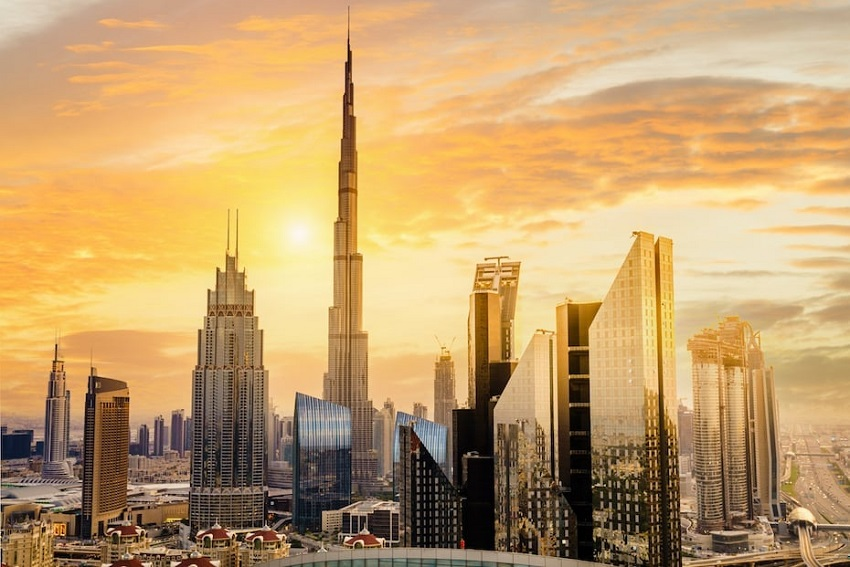
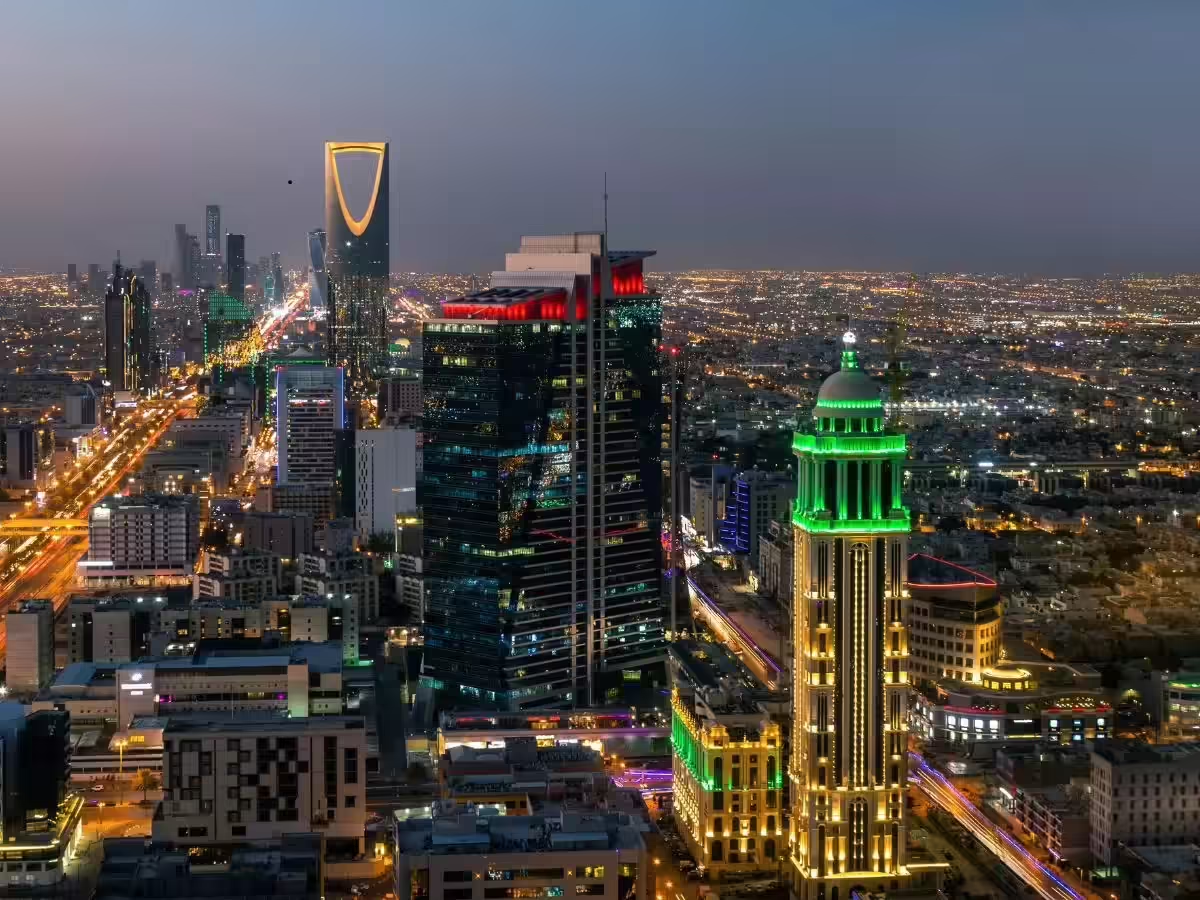
The Gulf region is becoming increasingly popular as a tourist destination. Countries like the United Arab Emirates, Qatar, and Bahrain are witnessing a surge in visitors, drawn by luxury experiences, cultural attractions, and world-class events. This influx of tourists is directly correlated with a rise in property demand.
As the number of tourists increases, so does the need for accommodations. This demand creates opportunities for developers to invest in new residential and commercial projects.
With the rise in tourism comes an inevitable rise in property prices. When a region experiences a boom in visitors, the competition for available properties intensifies. Investors are eager to capitalize on the growing market, leading to higher property prices.
In major Gulf cities, such as Dubai and Doha, the property market has seen significant appreciation. Properties that were once considered affordable are now becoming prime investments, appealing to both local and foreign buyers.
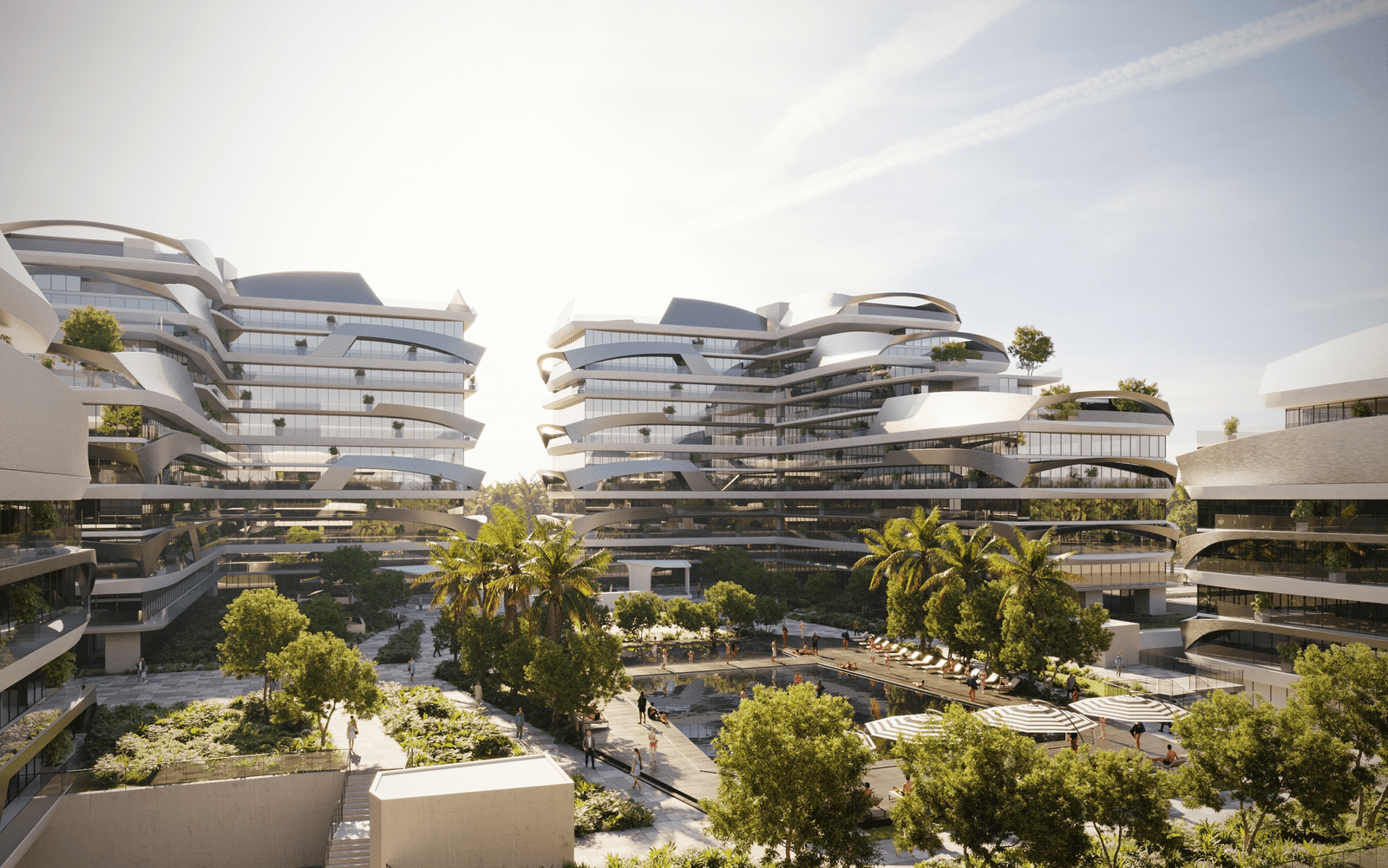
As tourism flourishes, there is a noticeable shift towards luxury living. Travelers often seek high-end experiences, which drives demand for upscale accommodations. This trend encourages developers to focus on luxury residential projects, including villas, high-rise apartments, and resort-style living.
This demand for luxury properties is not just about aesthetics; it reflects a lifestyle choice that many tourists aspire to. Consequently, the Gulf region is transforming into a hub for luxury real estate investments, attracting affluent buyers from around the world.
The Gulf region is no stranger to hosting major international events, such as the Expo 2020 in Dubai and the FIFA World Cup 2022 in Qatar. Such events draw billions of visitors, creating a short-term spike in tourism that significantly affects property demand.
In the aftermath of these events, many properties that served as temporary accommodations during the festivities become permanent residences or investments. As a result, the legacy of these events continues to impact the property market long after they conclude.
With the rising demand for short-term rentals, the tourism boom has also led to the proliferation of platforms like Airbnb. Property owners are increasingly opting to rent out their homes to tourists, creating a new stream of income.
This trend not only boosts property demand but also encourages homeowners to invest in renovations and improvements to make their properties more appealing to visitors. The growing popularity of short-term rentals is reshaping the landscape of property ownership in the Gulf.
Looking ahead, the impact of tourism growth on Gulf property demand shows no signs of slowing down. As countries in the region continue to invest in tourism infrastructure and promote their attractions, the demand for property will likely keep rising.
Developers who recognize this trend and adapt their strategies to cater to the evolving needs of tourists will thrive. Additionally, potential investors should keep a close eye on the changing dynamics of the property market, as opportunities abound in this vibrant region.
In summary, the impact of tourism growth on Gulf property demand is multifaceted and profound. As the region attracts more visitors, the demand for residential, commercial, and luxury properties continues to rise. This trend is reshaping the real estate landscape, creating opportunities for both investors and homeowners.
The Gulf’s unique allure and commitment to enhancing tourism will undoubtedly keep property demand strong for years to come.
Do Follow Estate Magazine on Instagram
Read Next – New master projects reshaping beachfront developments