Hospitality-driven real estate is quickly becoming one of the most exciting trends in global property markets. By blending the services of luxury hotels with the comfort of private residences, this model is changing the way people view modern living.
Imagine owning a home where world-class chefs, spa services, and housekeeping are part of your daily life. Or picture investing in a branded residence that not only provides a comfortable lifestyle but also generates rental income when you’re away. This is the promise of hospitality-driven real estate, and it is transforming urban skylines and coastal resorts around the world.
In this article, we’ll explore how hospitality-driven real estate works, why it appeals to homeowners and investors, and how the trend is shaping the future of property development.
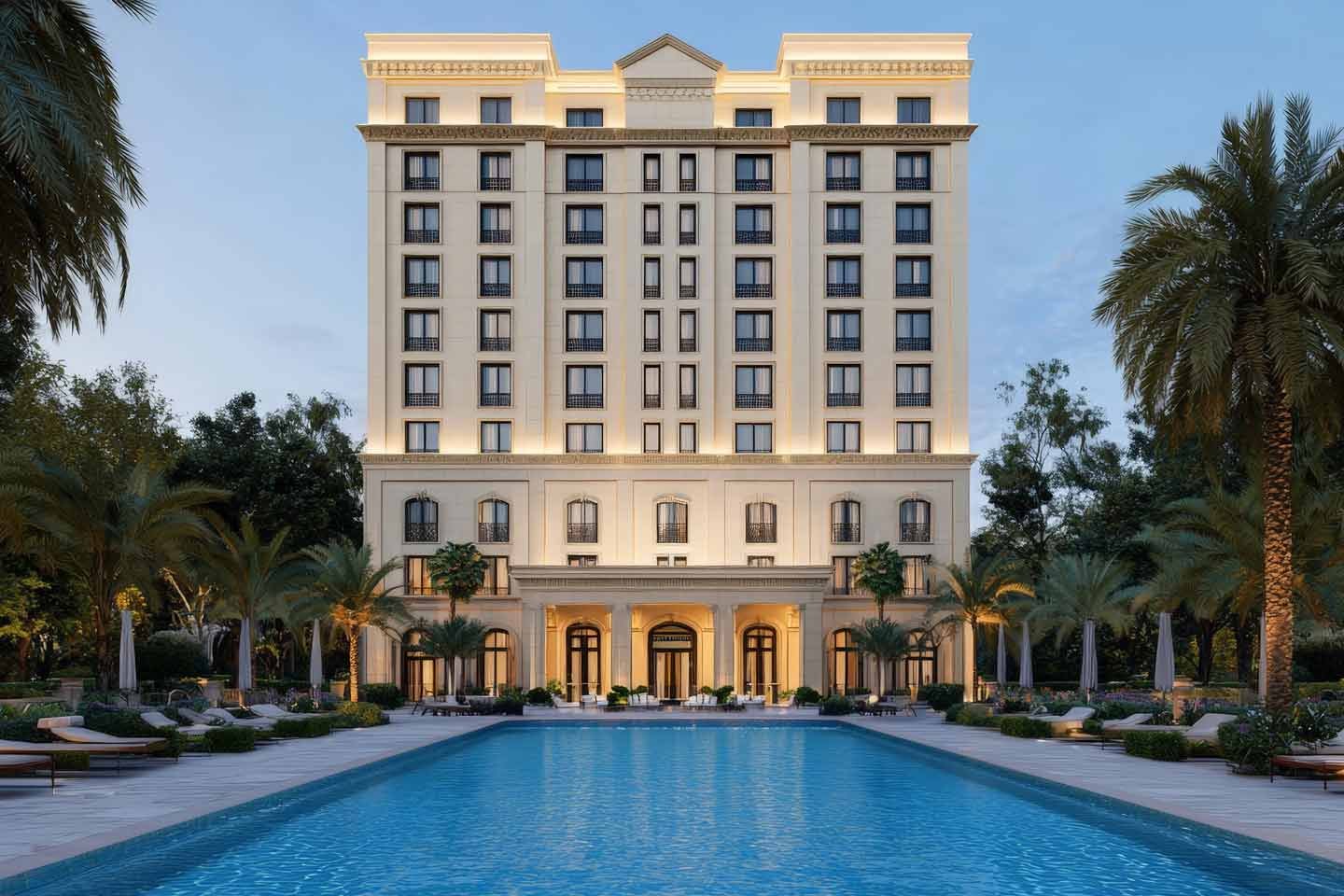
Hospitality-driven real estate combines hotel-style services with residential living. Unlike traditional apartments, these homes are branded and managed by luxury hospitality groups such as Four Seasons, Ritz-Carlton, or Mandarin Oriental.
Hotel-Level Services: Concierge, valet, housekeeping, and in-residence dining.
Luxury Amenities: Pools, spas, fitness centers, private lounges, and fine dining.
Branded Experience: Homes designed and managed with the quality standards of renowned hotel brands.
Flexible Living: Options to live year-round, part-time, or lease out when not in use.
This model gives homeowners both the prestige of ownership and the convenience of a five-star lifestyle.
The popularity of hospitality-driven real estate is driven by lifestyle changes and investment potential.
Affluent buyers want more than just a home—they want experiences. Hotel-branded residences provide exclusive access to luxury services that elevate daily life.
These properties often appreciate faster and maintain value due to their global brand association. Many owners also rent their units through the hotel, generating income.
For international buyers, a branded residence offers a secure, fully managed home abroad without the hassle of maintenance.
COVID-19 accelerated the demand for spaces that blend work, leisure, and wellness. Hospitality-driven real estate meets these evolving needs.

The UAE, particularly Dubai and Abu Dhabi, has become a global hub for hospitality-driven real estate.
The Royal Atlantis Residences on Palm Jumeirah combines ultra-luxury apartments with hotel-style services.
Bulgari Residences offers waterfront living managed by the world-famous Bulgari Hotels.
SLS Dubai Hotel & Residences provides trendy city living with panoramic views and premium amenities.
Fairmont Marina Residences blends luxury living with resort-style comforts.
St. Regis Residences Saadiyat Island offers beachfront living with signature St. Regis services.
These projects reflect the UAE’s vision of combining hospitality with real estate to attract global investors and affluent residents.
Owning in a hospitality-driven real estate development goes beyond square footage—it’s about lifestyle and peace of mind.
Convenience: Services like housekeeping, laundry, and valet parking simplify life.
Prestige: Owning a residence branded by a luxury hotel enhances social status.
Resale Value: Branded residences typically command higher resale prices.
Wellness & Lifestyle: Access to spas, fitness centers, and curated events promotes a healthier lifestyle.
From an investment standpoint, hospitality-driven real estate offers compelling advantages.
Rental Programs: Units can be leased through the hotel’s network, ensuring strong occupancy and returns.
Global Demand: Branded residences appeal to wealthy buyers worldwide, creating liquidity.
Stability: Properties managed by trusted hotel brands are less volatile in uncertain markets.
Portfolio Diversification: These assets balance traditional property investments with lifestyle-driven returns.
Luxury hotel brands are at the heart of this trend. Their global recognition, service standards, and management expertise add immense value to properties.
Four Seasons Residences: Known for timeless luxury and service excellence.
Ritz-Carlton Residences: Offer exclusive club-style living.
Mandarin Oriental Residences: Focused on wellness and Asian-inspired luxury.
Accor’s Raffles & Fairmont: Blend heritage with modern elegance.
These names assure buyers of consistent quality, making the homes not only desirable but also financially rewarding.
While the UAE is a leader, other destinations are also embracing the trend.
Miami: Home to branded residences from Aston Martin, Baccarat, and Ritz-Carlton.
London: Mandarin Oriental Residences in Mayfair combine heritage with luxury.
Bangkok: Branded residences offer affordable entry points into luxury living.
New York: Hotels like Aman and Four Seasons offer some of the world’s most exclusive residences.
This global spread shows that hospitality-driven real estate is not a passing trend but a permanent shift.
Like any investment, hospitality-driven real estate has challenges.
High Entry Price: Luxury branding and prime locations command a premium.
Service Fees: Hotel-level services come with higher maintenance costs.
Market Saturation: In some cities, oversupply could affect long-term value.
Ownership Rules: Regulations for foreign ownership vary across countries.
Buyers should carefully evaluate contracts, service charges, and potential returns before investing.
The future looks promising as demand for lifestyle-driven homes continues to rise.
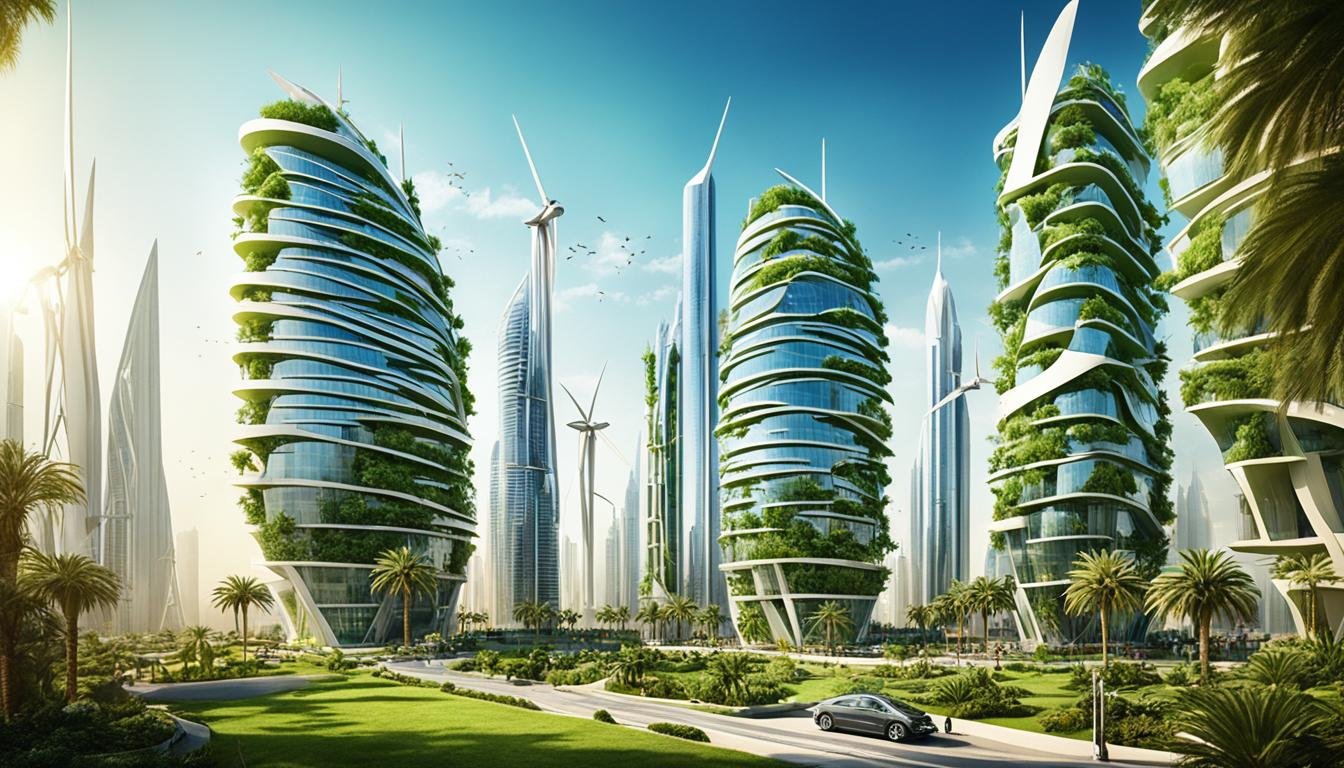
Sustainability: Integration of eco-friendly designs and green certifications.
Technology: Smart homes with AI-powered concierge and energy management.
Wellness-Focused Living: Homes designed around health, nature, and work-life balance.
Expansion into Secondary Cities: Beyond capitals, smaller cities may see branded residences.
These trends suggest hospitality-driven real estate will remain a strong force in global property development.
Hospitality-driven real estate represents the fusion of hotels and residences, offering a lifestyle that combines luxury, convenience, and financial opportunity. From Dubai’s Palm Jumeirah to Miami’s beachfront towers, these projects are redefining how people live and invest.
For homeowners, it means waking up to five-star service every day. For investors, it’s about owning an asset backed by global brands and strong returns. For the real estate industry, it marks the next era of property development where lifestyle and investment walk hand in hand.
As cities grow and lifestyles evolve, hospitality-driven real estate is set to play a central role in shaping the future of luxury living.
Follow us on: Instagram
Read More:-The Future of Abu Dhabi Real Estate: Mega Projects You Must See