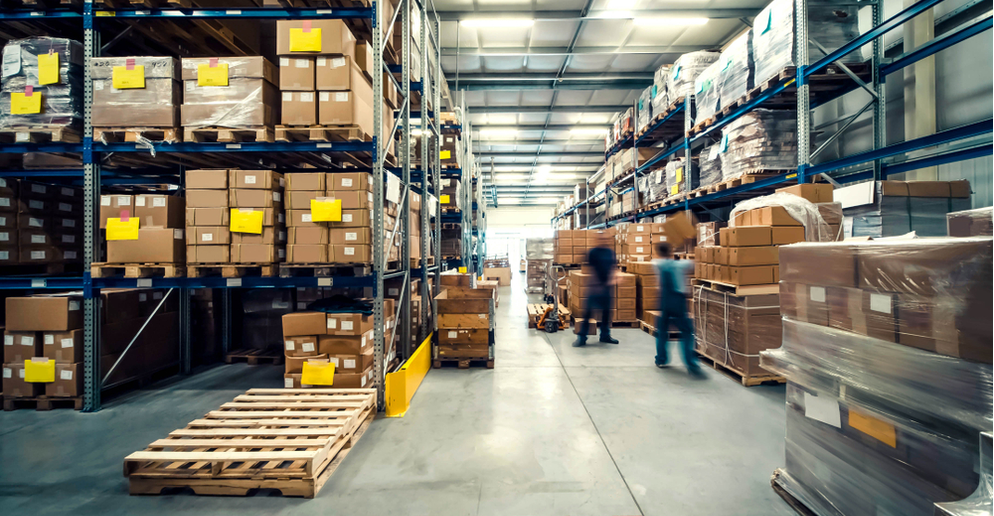
The logistics sector is undergoing a massive transformation driven by technology, automation, and data analytics. Gone are the days when warehouses were just large storage spaces for goods. Today, they are the nerve centers of modern supply chains — powered by robotics, artificial intelligence, and real-time data systems. These advanced logistics facilities are not only improving operational efficiency but also reshaping the way businesses move, store, and manage inventory worldwide.
As global trade continues to expand and e-commerce redefines consumer expectations, companies are racing to build smarter warehouses that offer speed, precision, and flexibility. The result is a new generation of logistics hubs designed to minimize costs, reduce errors, and optimize every inch of space.
An advanced logistics warehouse integrates cutting-edge technology with streamlined operational processes to ensure seamless supply chain management. These facilities go beyond traditional storage solutions by offering intelligent systems that automate tasks, predict demand, and enhance inventory visibility.
Some key features that define advanced logistics warehouses include:
These innovations transform warehouses from static storage areas into dynamic, responsive logistics ecosystems.

Several key trends are pushing the logistics industry toward smarter warehouse infrastructure.
1. E-commerce Boom
The rise of online shopping has drastically increased the volume and velocity of goods movement. Customers expect faster delivery, forcing companies to invest in automated facilities capable of fulfilling orders in record time.
2. Global Supply Chain Complexities
Geopolitical tensions, pandemic disruptions, and fluctuating demand have made traditional supply chains unreliable. Advanced warehouses with AI-driven planning tools help businesses anticipate disruptions and adapt quickly.
3. Sustainability Goals
Companies are under growing pressure to reduce their carbon footprint. Modern warehouses use energy-efficient lighting, smart HVAC systems, and optimized transport routes to minimize environmental impact.
4. Labor Shortages and Rising Costs
Automation helps offset labor shortages and reduce dependency on manual work. Robots and digital systems ensure consistency, safety, and higher productivity even with limited human intervention.
Technology forms the foundation of every advanced logistics facility. Here’s how some of the latest tools are revolutionizing warehouse operations:
1. Robotics and Automation
Automated guided vehicles (AGVs) and drones are transforming warehouse operations. Robots can lift heavy loads, navigate narrow aisles, and even handle delicate items without human oversight. These systems minimize accidents, reduce downtime, and enable 24/7 operation.
2. Predictive Analytics and AI
AI tools analyze vast amounts of data to forecast demand, optimize delivery routes, and reduce inventory waste. Predictive analytics allows companies to make informed decisions, improving efficiency and customer satisfaction.
3. Internet of Things (IoT)
IoT sensors collect real-time data from equipment, vehicles, and goods. This connectivity ensures accurate stock monitoring, predictive maintenance, and improved decision-making.
4. Blockchain for Transparency
Blockchain ensures traceability and transparency in logistics operations. It creates a secure and tamper-proof record of every product’s journey — from manufacturing to the end customer.
5. Cloud and Edge Computing
Cloud-based WMS solutions allow global logistics teams to access data and manage operations remotely. Edge computing further enhances speed by processing data closer to the source, ensuring faster decision-making.
Adopting advanced logistics facilities brings a wealth of benefits to businesses across industries.
1. Greater Efficiency and Speed
Automated systems reduce manual errors, accelerate order fulfillment, and increase throughput. Companies can process more orders in less time, leading to faster deliveries.
2. Enhanced Accuracy and Inventory Control
Smart warehouses offer real-time visibility into stock levels, minimizing the risk of overstocking or stockouts. AI-driven analytics ensure precise demand forecasting and replenishment.
3. Cost Reduction
Although initial investments in technology can be high, automation ultimately lowers labor costs, improves resource utilization, and reduces losses due to errors or delays.
4. Better Space Utilization
Advanced storage systems like AS/RS and vertical storage solutions maximize available space, allowing more inventory to be stored within smaller footprints.
5. Improved Safety and Working Conditions
Automation minimizes human involvement in physically demanding or hazardous tasks, improving workplace safety and job satisfaction.
6. Sustainability and Energy Efficiency
Smart lighting, renewable energy integration, and efficient material handling systems contribute to a lower carbon footprint and reduced energy costs.
Around the world, logistics giants and technology innovators are setting new standards for warehousing. Companies like Amazon, DHL, and Alibaba have built state-of-the-art facilities featuring automated picking robots, AI-driven analytics, and climate-controlled zones. These examples demonstrate how technology-driven logistics can scale to meet global demand while maintaining precision and efficiency.
In the Middle East, particularly in regions like Dubai and Saudi Arabia, the rise of free trade zones and strategic infrastructure projects is creating a booming market for smart logistics hubs. Dubai’s Jebel Ali Free Zone, for example, has become a key logistics hub with advanced facilities that cater to international trade routes.

Data is the new currency in warehouse management. Every movement — from incoming shipments to final delivery — generates valuable information. Advanced analytics convert this data into actionable insights that help optimize operations, reduce waste, and improve customer satisfaction.
For example, by analyzing historical trends, warehouses can predict when demand will spike, ensuring inventory levels are adjusted proactively. Data also enables predictive maintenance, reducing downtime caused by equipment failure.
The next decade will bring even greater advancements to logistics. Future warehouses are expected to be fully autonomous, sustainable, and interconnected. Here’s what the future may hold:
These innovations will push logistics toward unprecedented levels of speed, accuracy, and sustainability.
Moving from a traditional warehouse to an advanced logistics facility requires a strategic approach. Here’s a step-by-step roadmap:
While the benefits are immense, implementing advanced logistics systems isn’t without challenges.
Despite these hurdles, the long-term return on investment and competitive advantage far outweigh the initial costs.
As global trade accelerates and digital transformation becomes a necessity, advanced logistics warehouses are no longer optional—they’re essential. Businesses that embrace innovation early gain a decisive edge through agility, cost efficiency, and sustainability.
The convergence of automation, AI, IoT, and green technology is shaping a logistics ecosystem that is faster, smarter, and more resilient than ever before. Whether for e-commerce, manufacturing, or distribution, these facilities represent the future backbone of global commerce.
The evolution of warehouses into advanced logistics hubs is redefining the supply chain landscape. Technology, data, and sustainability have merged to create systems that are more efficient, reliable, and adaptable. As businesses strive to meet growing customer demands and navigate global complexities, investing in advanced logistics facilities is not just a smart move—it’s a strategic imperative for future success.
Do Follow Estate Magazine on Instagram