Cities around the world are constantly searching for ways to make urban life safer, cleaner, and more efficient. Dubai and Abu Dhabi, two of the Middle East’s most forward-thinking cities, are setting new benchmarks by using artificial intelligence (AI) to transform their streets. From smarter traffic management to cleaner public spaces, AI Roads is no longer just a futuristic idea it’s becoming an everyday reality.
Artificial intelligence has been quietly reshaping industries for years, from healthcare to finance. Now, it’s stepping into urban planning and city management, helping governments monitor roads, manage traffic, and maintain cleanliness in ways that were impossible before. Dubai and Abu Dhabi are leading this revolution, showing the world how technology can improve quality of life.
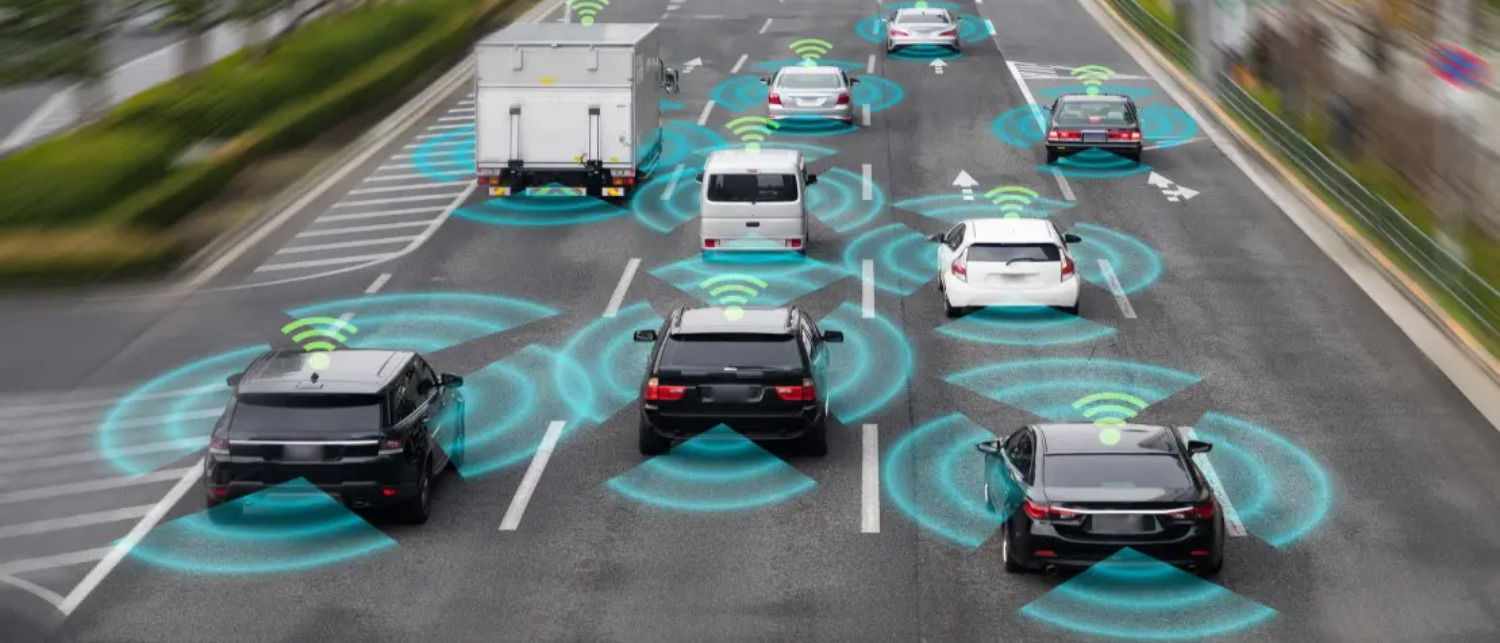
AI systems can analyze massive amounts of data in real time. Cameras, sensors, and smart devices work together to detect traffic congestion, accidents, or litter on the streets. By instantly alerting authorities or automatically taking action, AI is making streets safer and cleaner than ever before.
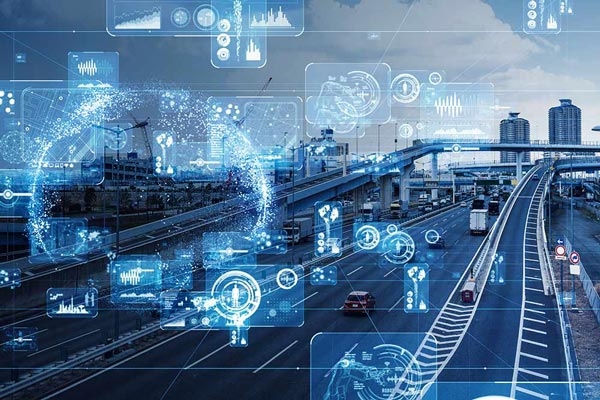
One of the most significant applications of AI in Dubai and Abu Dhabi is traffic management. Congestion, reckless driving, and accidents have always been challenges in rapidly growing cities. AI is now helping reduce these problems by predicting traffic patterns and optimizing signal timings.
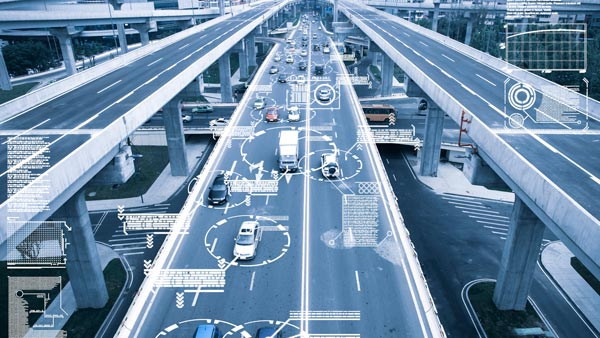
Smart cameras and sensors are placed at major intersections to monitor vehicle movement. These devices feed data into AI systems, which can predict where congestion might occur and adjust traffic lights accordingly. The result is smoother traffic flow, fewer accidents, and a safer experience for everyone on the road.
AI also helps identify reckless drivers and traffic violations in real time. Cameras can detect speeding, illegal parking, and unsafe lane changes, sending instant alerts to law enforcement. This proactive approach is preventing accidents before they happen rather than just responding to them.
Beyond traffic, Dubai and Abu Dhabi are using AI to maintain cleanliness. Urban littering has always been a challenge for city authorities. Now, AI-powered cameras and sensors can detect litter and overflowing bins, alerting cleaning crews immediately.
Some AI systems even use drones to monitor streets from above. These drones can spot garbage in hard-to-reach areas or track pollution hotspots. Once detected, cleaning crews are dispatched efficiently, reducing response times and keeping streets consistently clean.
The combination of AI with predictive analytics allows cities to plan waste collection more intelligently. Instead of following fixed schedules, waste management teams can focus on areas that need attention the most, saving resources and maintaining higher cleanliness standards.
Safety goes beyond managing traffic. Dubai and Abu Dhabi are deploying AI to detect hazards on the road in real time. Smart sensors can identify potholes, road cracks, or obstacles that could endanger drivers and pedestrians.
In some areas, AI systems are integrated with emergency services. If a serious accident occurs, the system can automatically notify medical teams and police, ensuring a rapid response. This reduces emergency response times and, in many cases, saves lives.
AI is also being used to analyze pedestrian patterns. Crosswalks and school zones are monitored to ensure that vehicles slow down when needed. AI alerts drivers about high-risk areas, making streets safer for everyone, especially children and the elderly.
Cleaner streets aren’t just about aesthetics—they have a real impact on the environment. AI systems help reduce unnecessary vehicle idling and congestion, lowering emissions and improving air quality. Smart streetlights, powered by AI, adjust brightness based on traffic and pedestrian movement, saving energy while keeping streets illuminated.
AI also contributes to smarter water and waste management. Sensors can monitor public fountains, drainage systems, and irrigation in urban spaces, ensuring that resources are used efficiently and reducing environmental waste. The result is a city that’s not only safer and cleaner but also greener.
AI isn’t just benefiting city authorities it’s also improving the daily experience of residents and visitors. Drivers get real-time traffic updates, pedestrians enjoy cleaner walkways, and everyone benefits from safer public spaces.
Some mobile apps are integrated with city AI systems, allowing residents to report issues like littering or road hazards instantly. The AI evaluates the reports, prioritizes urgent cases, and dispatches appropriate teams. This two-way communication empowers citizens while allowing the city to operate efficiently.
Additionally, AI is enhancing public transportation. Smart buses and taxis use AI for route optimization, ensuring shorter travel times and reduced congestion. Passengers experience smoother rides, and traffic on the streets decreases as more people opt for AI-optimized public transit.
While AI is transforming streets in Dubai and Abu Dhabi, it’s not without challenges. Privacy concerns are a major consideration, as cameras and sensors collect vast amounts of data. Authorities must ensure that citizen data is protected and used responsibly.
The cost of implementing AI solutions across entire cities is another challenge. Smart sensors, cameras, and AI infrastructure require significant investment. However, the long-term benefits—safer roads, cleaner streets, and more efficient urban management—are already proving to outweigh the costs.
Looking ahead, the potential for AI on city streets is enormous. Autonomous cleaning robots, AI-assisted traffic police, and smart urban planning tools could further revolutionize how we interact with cities. Dubai and Abu Dhabi are already experimenting with these technologies, showing that AI can create a future where urban life is safer, cleaner, and more efficient.
Dubai and Abu Dhabi’s AI-driven streets are setting a global example. Cities worldwide are observing these initiatives closely, considering similar solutions for their urban challenges. By combining smart technology with proactive governance, these UAE cities demonstrate how AI can create practical benefits for everyday life.
From tourists to residents, the results are visible. Streets feel safer, roads are cleaner, and the environment benefits from reduced emissions. Dubai and Abu Dhabi are proving that technology can coexist with human experience, enhancing city life rather than complicating it.
The streets of Dubai and Abu Dhabi are no longer just pathways they are evolving ecosystems powered by AI. With advanced traffic management, real-time hazard detection, and cleaner public spaces, AI is turning urban challenges into opportunities.
The cities’ commitment to innovation is a reminder that technology, when applied thoughtfully, can enhance safety, cleanliness, and quality of life. Residents and visitors alike are witnessing the transformation firsthand.
As AI continues to evolve, the streets of Dubai and Abu Dhabi may soon become a model for cities worldwide, demonstrating that the future of urban living is not only smart but also human-centric.
Do Follow Estate Magazine on Instagram
Read More:- Mal Raises $230M to Launch Revolutionary AI Islamic Bank in UAE