Climate change is one of the greatest challenges facing humanity today, and its impact on the water cycle is both alarming and far-reaching. Rising temperatures, shifting rainfall patterns, and extreme weather events are changing the way water moves through our environment. These changes threaten drinking water supplies, agriculture, and even entire ecosystems.
Understanding how climate change disrupts the water cycle is essential to protecting our future. Scientists warn that if we do not act soon, billions of people around the world could suffer from water shortages, floods, and food insecurity.
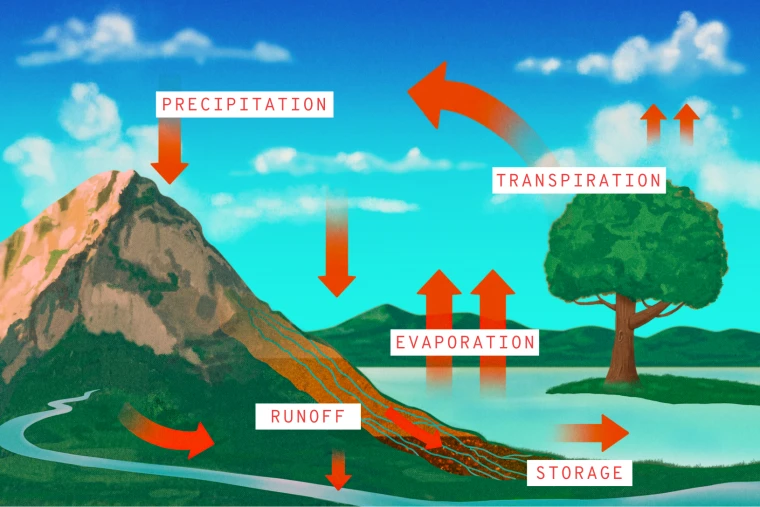
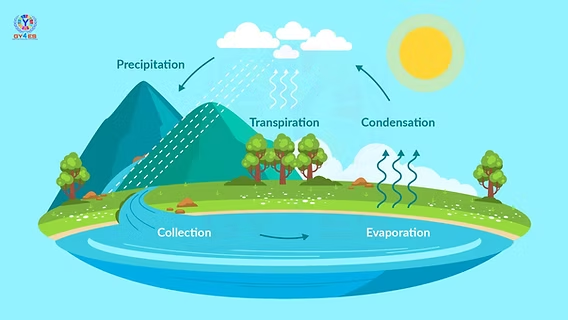
The water cycle, also called the hydrological cycle, is a natural process that moves water around our planet. It includes:
This cycle is essential for providing us with fresh water, growing our food, and keeping the climate stable.
Climate change affects every part of the water cycle. Here’s how:
Higher temperatures mean more water evaporates from oceans, rivers, and lakes. This can dry out soil and reduce the amount of water available for crops, leading to drought.
Some areas are getting much more rain, while others are getting less. Heavy rainfall can cause dangerous flooding, while long dry periods bring severe drought. Both extremes hurt farmers, damage homes, and disrupt communities.
Warming temperatures are melting glaciers and snowpacks faster than ever before. These ice reserves are crucial sources of fresh water, especially in mountain regions. As they disappear, millions of people risk losing their water supply.
When glaciers and ice sheets melt, the extra water flows into the ocean, causing sea levels to rise. This can push salty seawater into freshwater supplies, damaging crops and making drinking water unsafe.
Climate change makes storms, hurricanes, and heatwaves stronger and more frequent. These disasters destroy water infrastructure like dams and pipelines, cutting off communities from clean water.
In India, unpredictable monsoon rains have caused both record-breaking floods and deadly droughts in recent years. Farmers struggle to plan their crops because they no longer know when the rains will come.
In California, long droughts and shrinking snowpacks threaten the water supply of millions of people. Rivers are drying up, hurting fish populations and the entire food chain.
In Africa’s Sahel region, shifting rainfall patterns have made water sources unreliable, pushing people to migrate in search of water and pasture for their animals.
Water is essential for life. If the water cycle is broken, everything else falls apart. We need water for drinking, growing food, producing energy, and supporting nature. Climate change is turning this precious resource into a growing source of conflict and crisis.
Some experts warn that future wars could be fought over water, not oil. When water becomes scarce, entire communities are forced to move, leading to political and social tension.
Although the challenge is huge, there is hope. Here are some solutions:
Governments, businesses, and individuals all have a role to play. Protecting the water cycle means protecting the future of humanity. Every degree of warming we prevent will make a difference.
People can help by using less water, supporting clean energy, and raising awareness. Communities can work together to demand strong climate policies and hold leaders accountable.
The link between climate change and the water cycle is undeniable. Scientists are urging urgent action before water scarcity, floods, and extreme weather push communities beyond their limits.
We cannot afford to ignore this threat. By understanding the water cycle and how climate change is harming it, we can make smarter choices and push for policies that protect people and the planet.
The message is clear: if we want a secure and healthy future, we must act now to protect our water — and ourselves.
Read More:- Deyaar’s Latest Announcement Shakes Up the UAE Property Market